
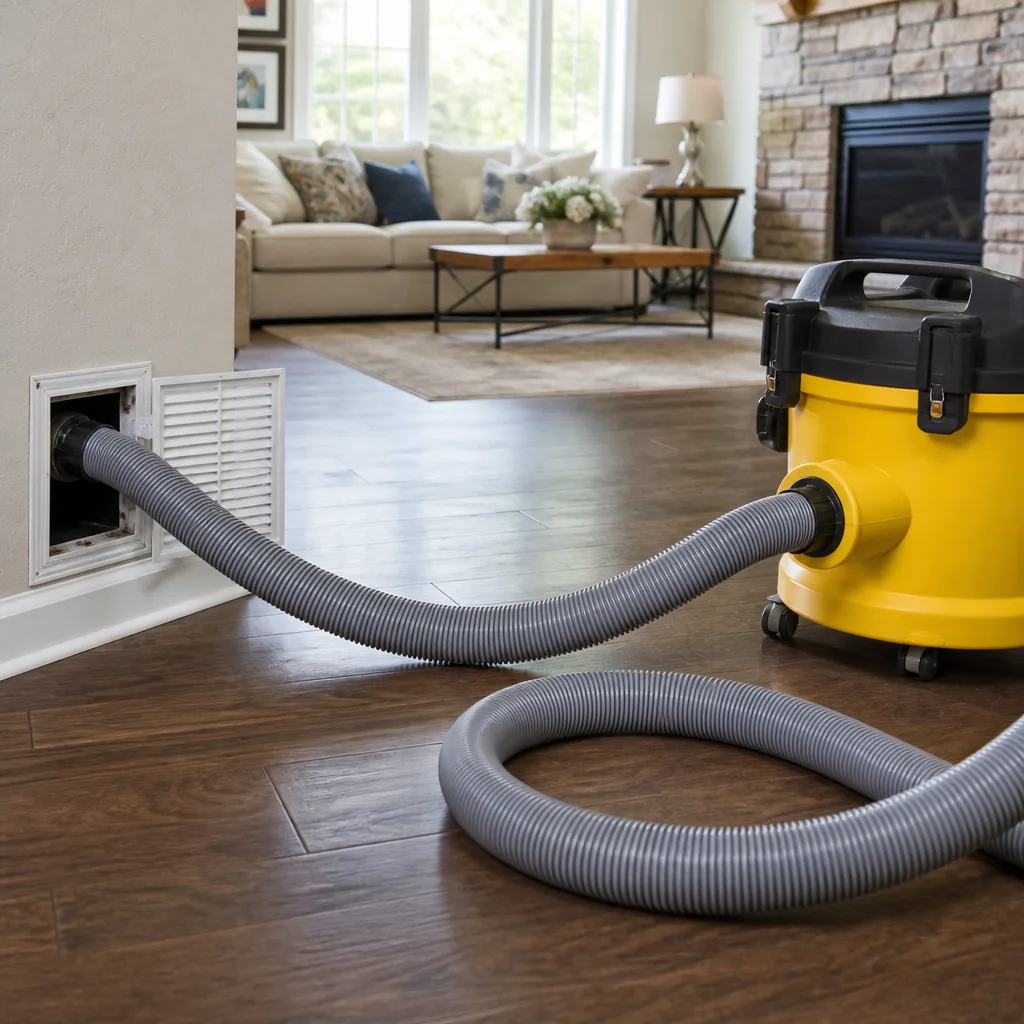
 Whole-home duct cleaning
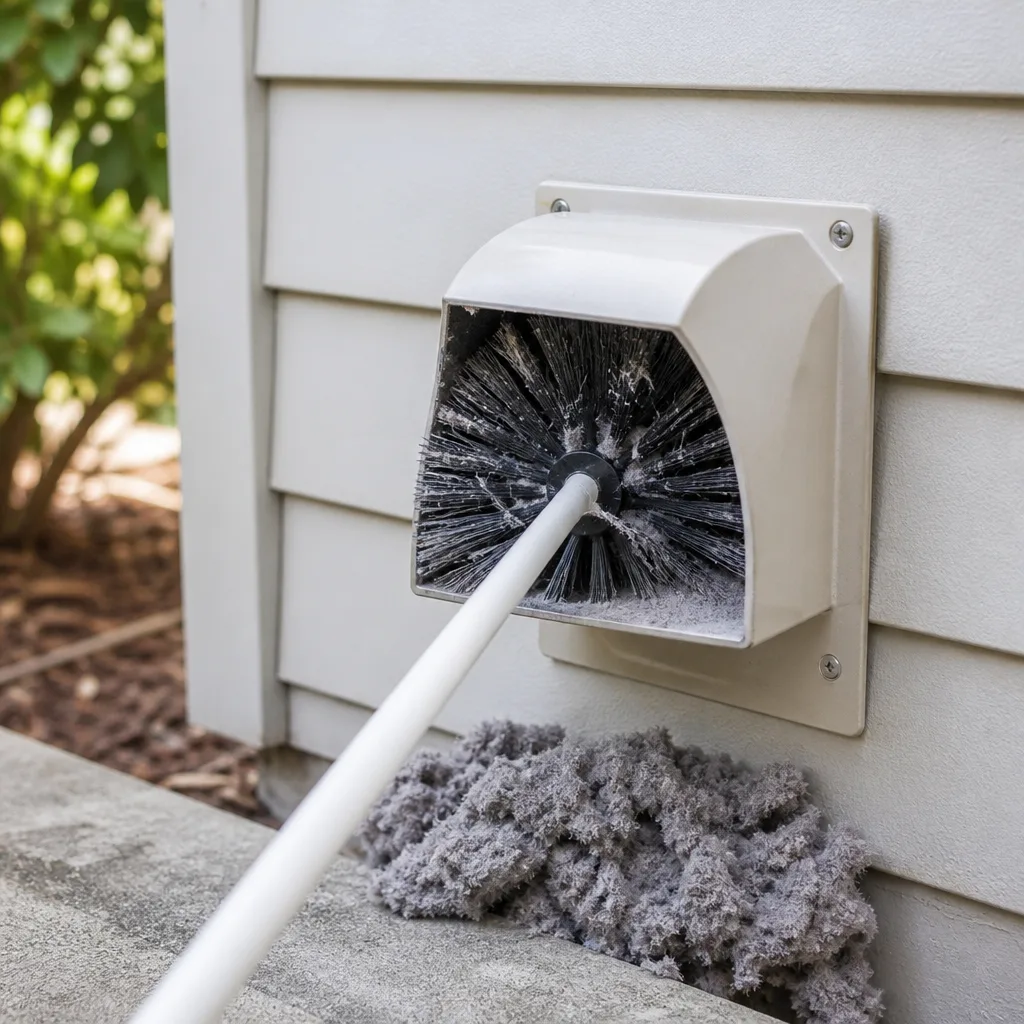 Dryer vent cleaning
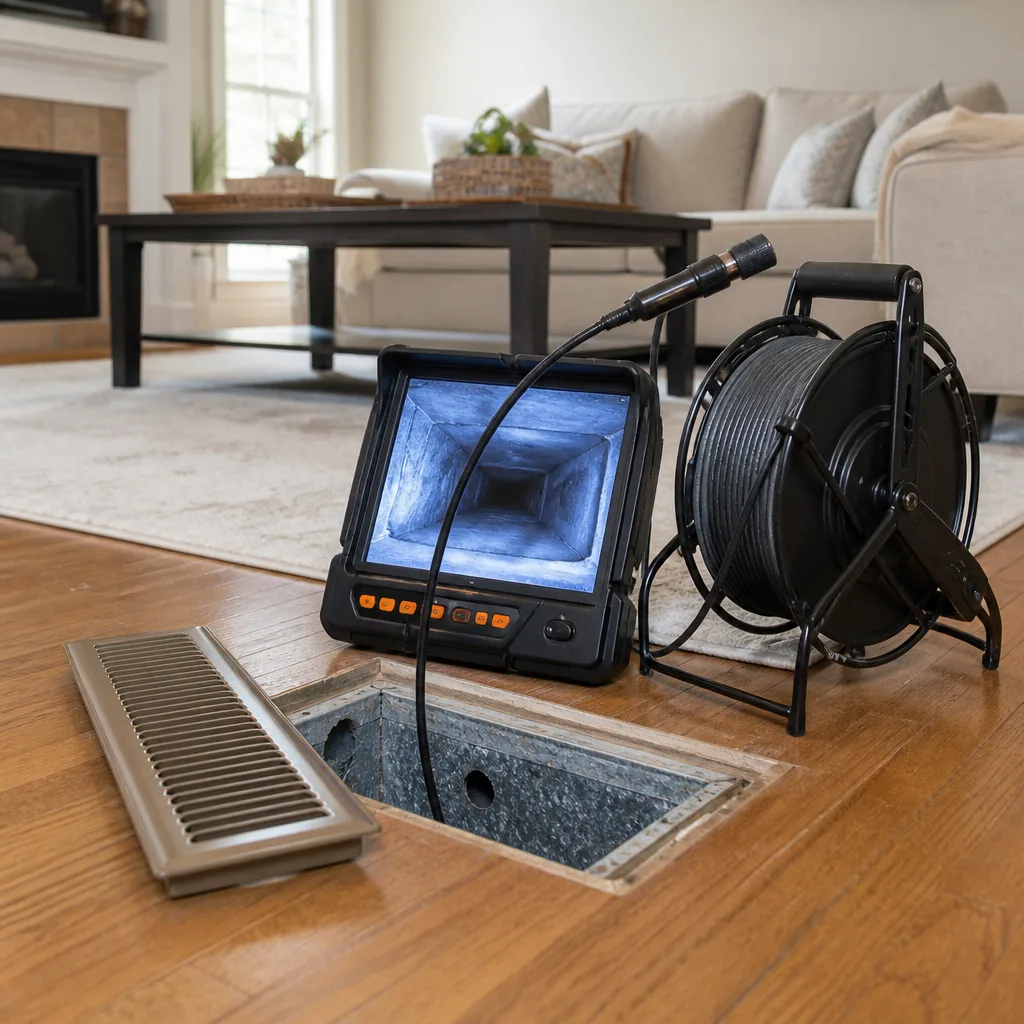 Camera inspection
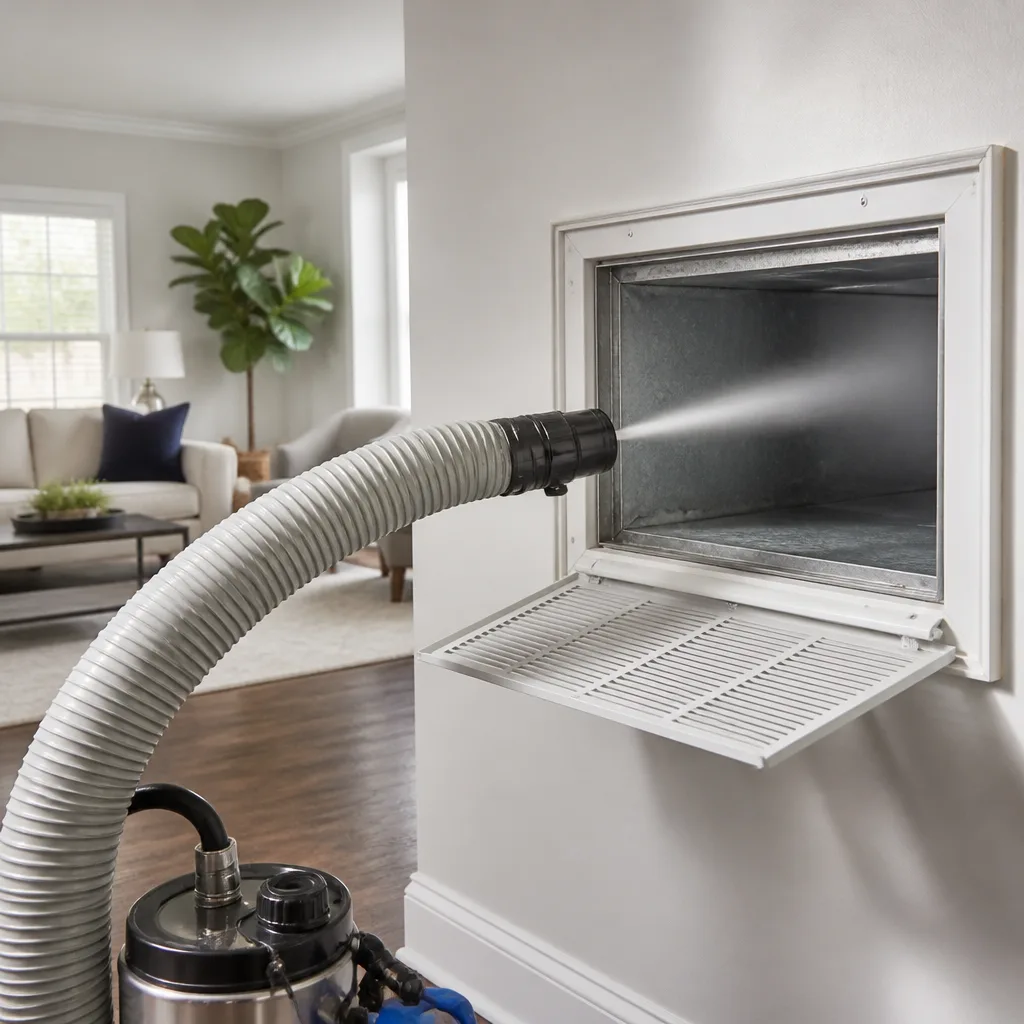 Sanitizing & deodorizing
Whole-system duct and dryer vent check with before-and-after photos - you see exactly what came out of your vents
That "$99 whole-house special" is a bait ad - the real number appears once they are in your hallway, or the "clean" is a shop-vac at the register. We photograph the inside of your ducts before and after instead.
Nikro Register & Grille Cleaning: The Atlanta Owner’s Guide
Nikro register and grille cleaning parts, from replacement brushes and fittings to complete hand-tool assemblies, typically run $75 to $240 installed depending on the tool model and whether we’re replacing one component or the whole cleaning head. We stock Nikro-compatible register tools on our service trucks, so if you call before noon we can usually get to your Atlanta home the same day. Most owners find out a part has failed mid-job: the brush stops spinning under load, you hear a grinding sound from the hand tool, or the vacuum seal at the register face won’t hold. The first instinct is usually to force it through the rest of the job. Don’t. A failing register tool will leave debris behind and can scratch the register face.
Which Nikro Models This Applies To
Nikro builds register and grille cleaning tools across two main families. The first is the hand-tool line, which includes the newer quick-disconnect register brushes and the older fixed-shaft models that thread directly into the vacuum hose. The second is the powered register brush set, often sold as part of Nikro’s full duct-cleaning packages and driven by the same drill motor that runs the agitation whips. The compatibility gotcha in Atlanta: older Nikro hand tools built before roughly 2015 used a 1.5-inch friction-fit collar, while the newer tools use a 2-inch cam-lock connection. They don’t interchange without an adapter, and we see plenty of good tools retired because someone bought the wrong collar. If you can’t find a model number on the tool body, measure the hose-end diameter first. That one measurement tells us more than any label. We stock both Nikro OEM parts and a select set of quality aftermarket equivalents from trade suppliers. For brush heads and wear items, aftermarket is often identical in performance and runs 20 to 30 percent less than OEM. For the tool body, the air collar, and anything with a bearing, we recommend Nikro OEM. Those tolerances matter more than they look like they would.
Styles & brands we work with
Signs Your Nikro Register & Grille Cleaning Part Is Failing
- The brush slows or stalls when pressed against the register face. This usually means the brush head bushing is worn and the bristles are no longer transferring torque. The bristles themselves may look fine, but the tool is working at maybe half its cleaning power.
- A grinding or clicking sound from the hand tool. Nikro register brushes use a simple bearing at the brush head. When that bearing dries out, or when dust and hair work their way past the seal, the bearing grinds. Once a bearing goes, continued use will score the shaft and turn a $40 bearing job into a full tool replacement.
- Weak vacuum seal at the register. The square or rectangular skirt that sits against the register face loses its flexibility over time, especially with Atlanta’s heat. If you can hear air pulling around the edge of the tool rather than through it, the debris isn’t being captured. That’s a skirt replacement, not a vacuum problem.
- Bristles that are flattened, melted, or missing patches. Melted bristles happen when a brush is run against a register that was recently over a heating vent. Flattened bristles just happen over time. Either way, once the bristle geometry is gone, the brush leaves a film of dust on the register and you’ll see it from across the room.
- Excessive vibration in the hand. Some vibration is normal on a powered register brush. Excessive vibration is almost always a slightly bent shaft or an unbalanced brush head. We’d swap the brush head first and check the shaft while it’s off. Simple fix, but it needs to happen before the shaft bend worsens.
See the difference
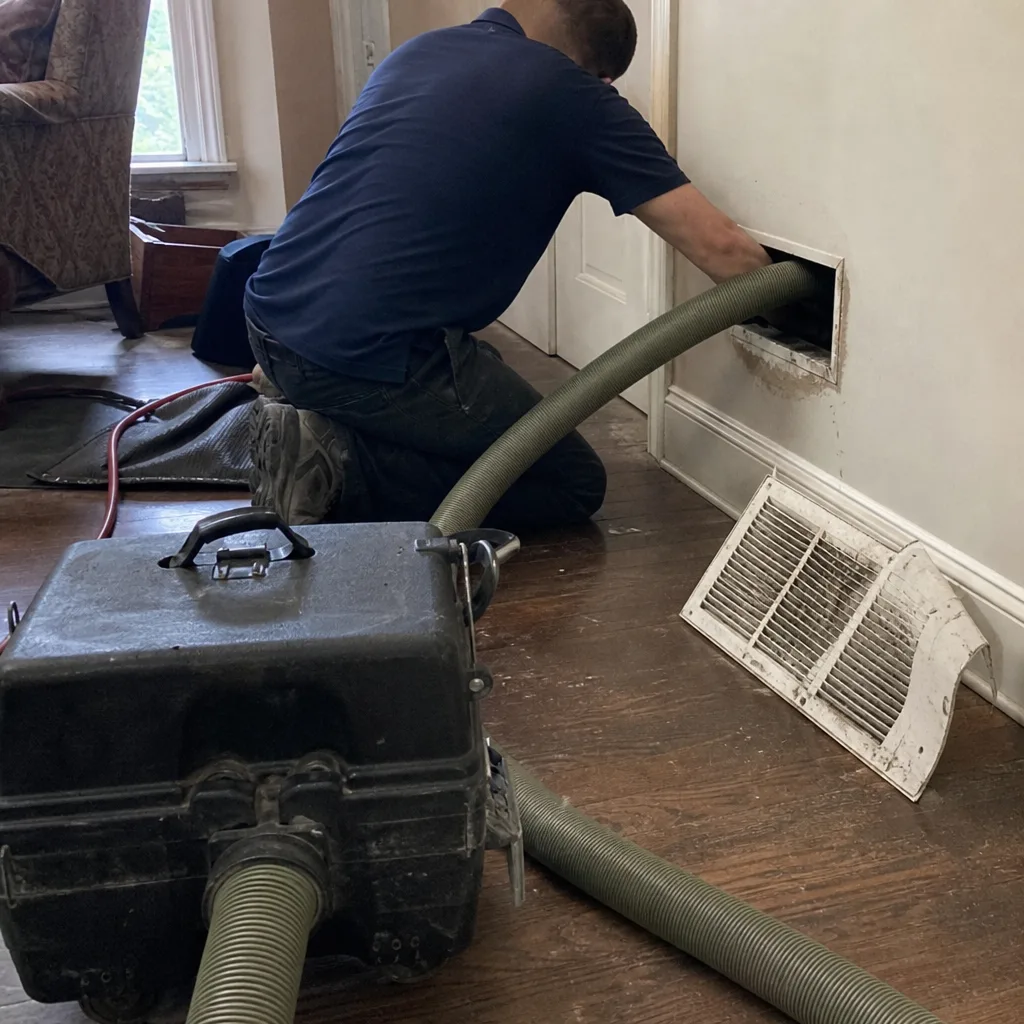 Before
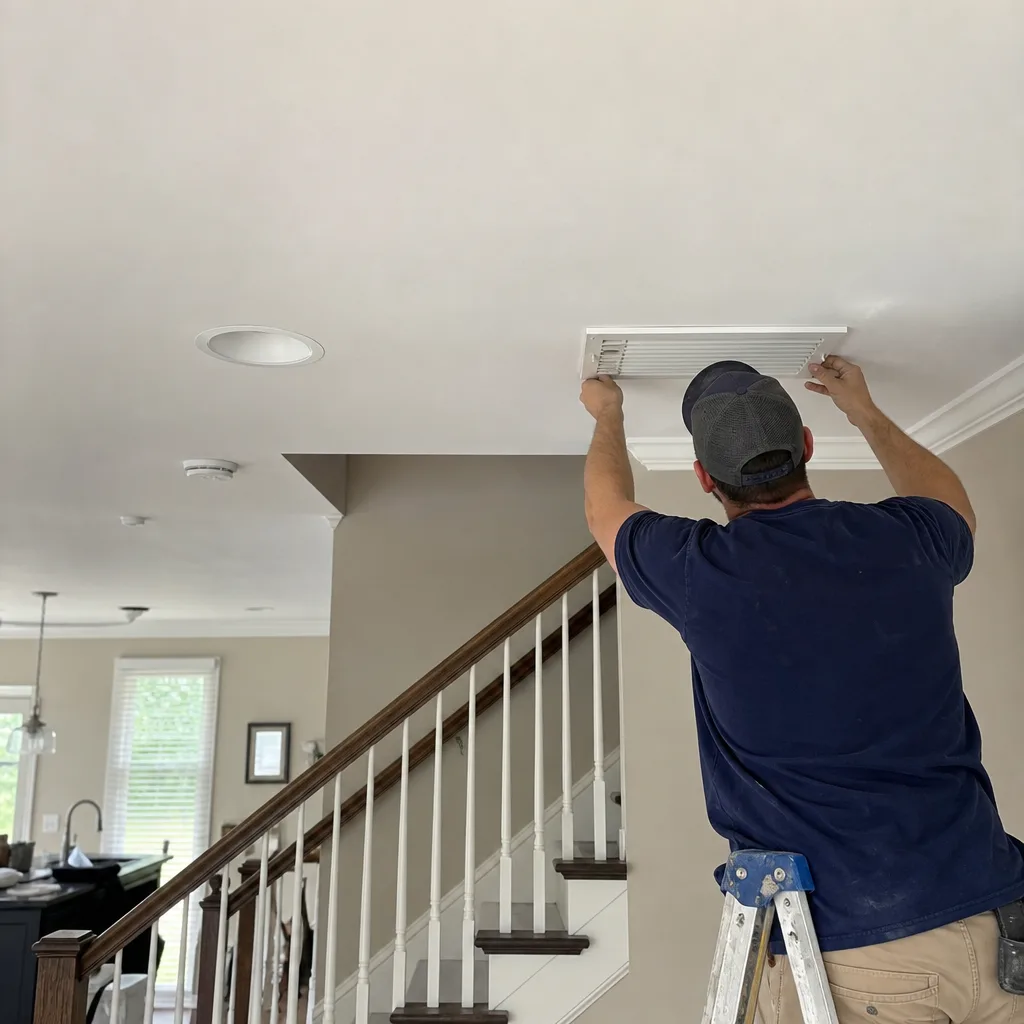 After
After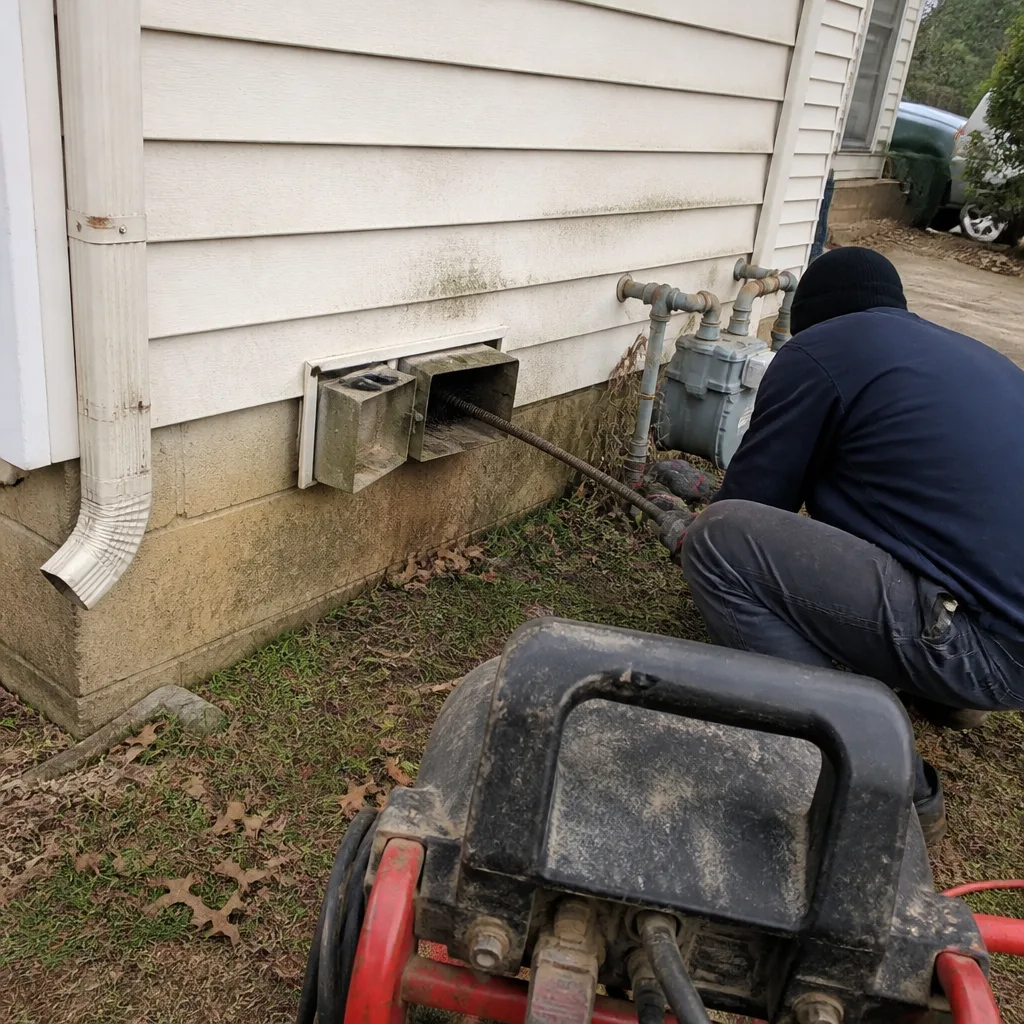 Before
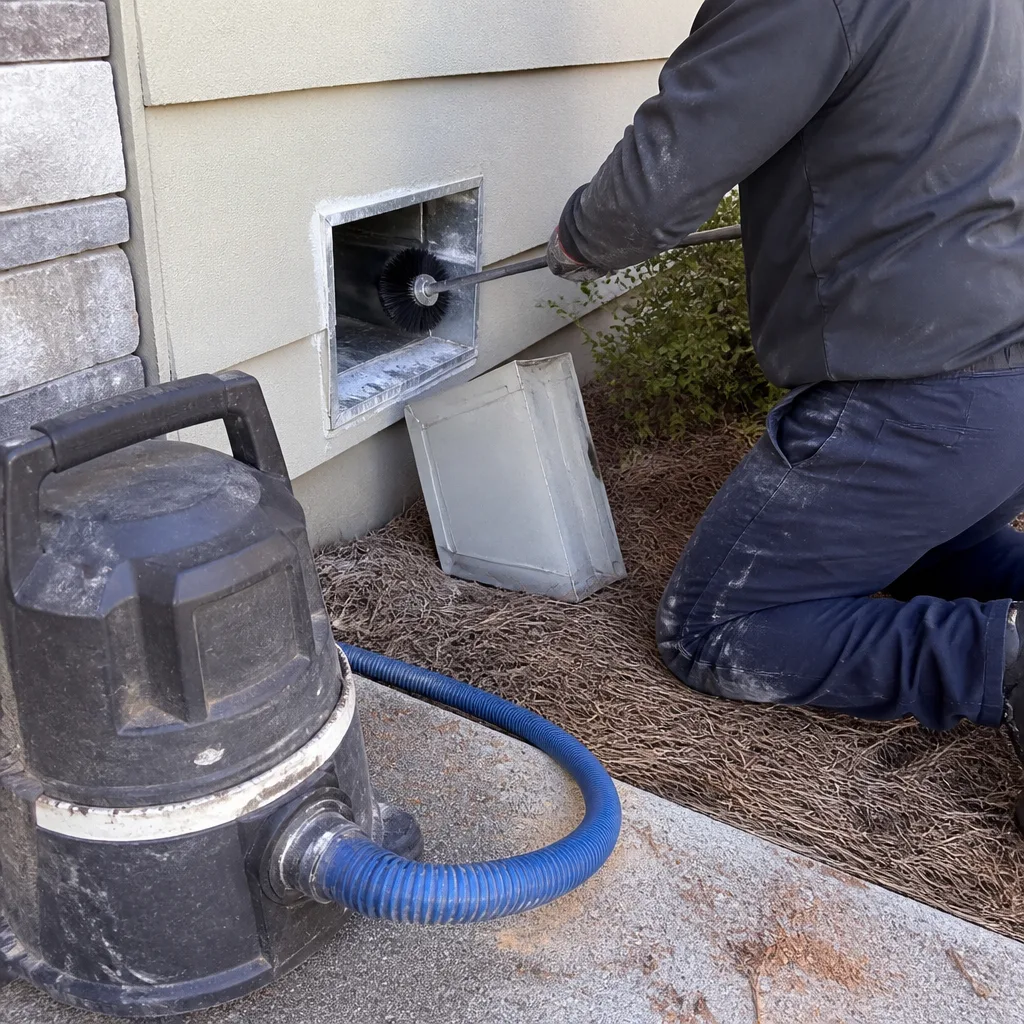 After
After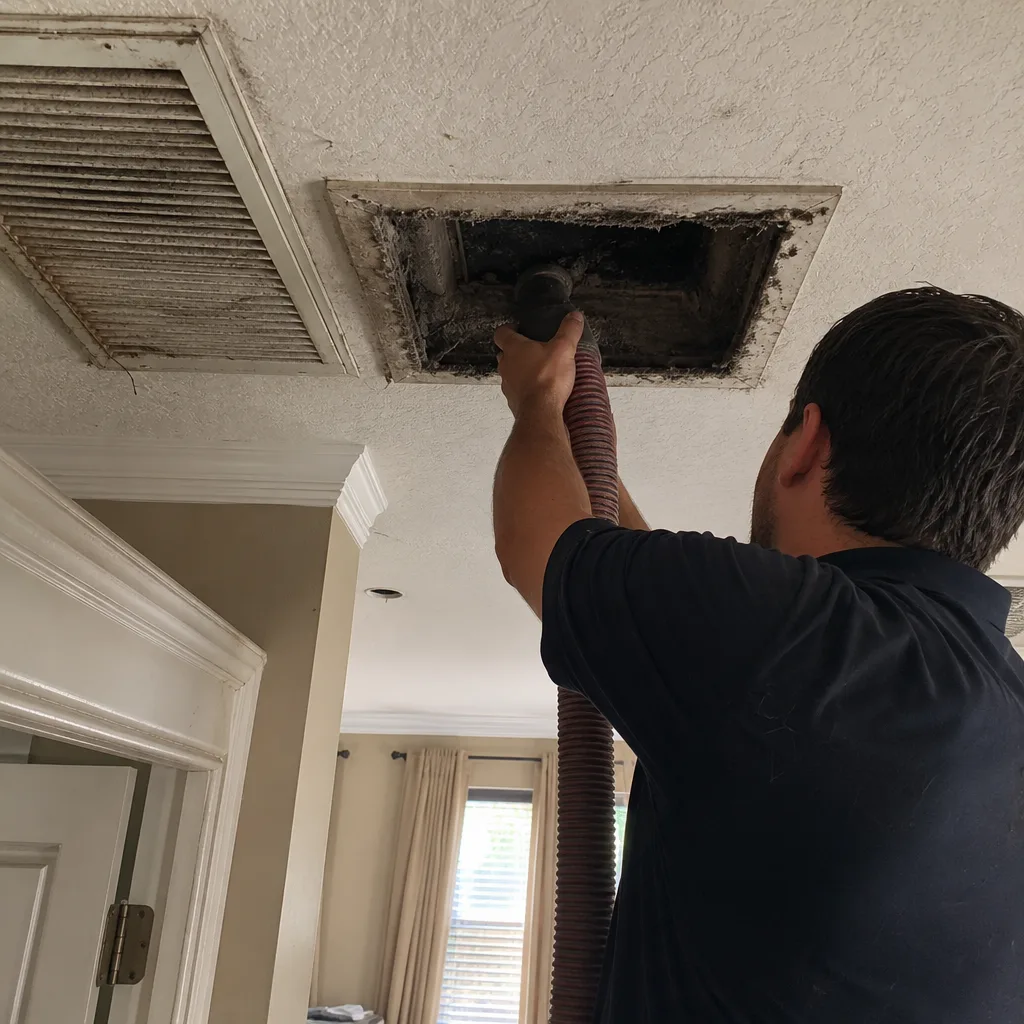 Before
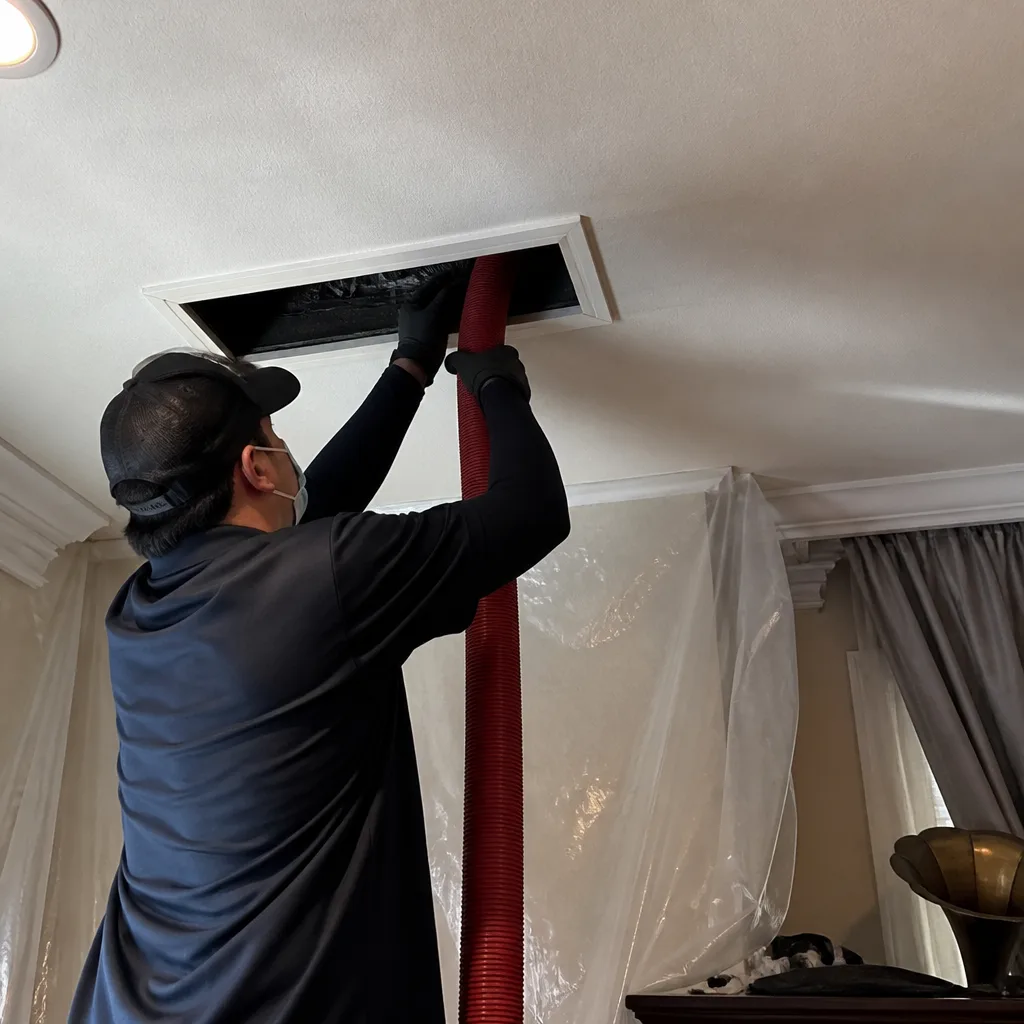 After
AfterReplacement Cost & What’s Included
In Atlanta, plan on $75 to $110 for a replacement brush head or skirt, installed. If the whole hand-tool assembly has failed, it’s $150 to $240 for a Nikro OEM or quality aftermarket replacement, installed. What drives the range is whether you need a single wear part or a complete tool, and whether you’re running the older friction-fit or the newer cam-lock connection. Every job gets a written price before any work begins, so the cost you agree to is the cost you pay. The written guarantee covers the new part and our installation for 365 days. If a covered part fails inside that year, we come back and replace it at no charge. We carry the common Nikro register tool brushes, skirts, collars, and bearings on the truck. Oddball components, like a specific older model’s shaft, may need a day or two from our supplier, and we’ll tell you that before you commit to the work.
DIY or Call Us?
A Nikro register brush is not a dangerous tool. It’s a brush on a stick, and replacing the brush head or the skirt is honestly something a careful owner can do with a pair of pliers and ten minutes. The trouble starts when the bearing or the shaft is involved. Pulling a failing bearing off the shaft without the right puller usually scores the shaft, and then you’re buying the whole assembly instead of a $40 bearing. The same goes for forcing a stubborn friction-fit collar: people grab channel locks, crush the collar, and ruin the vacuum seal. If the problem is a worn brush head or skirt, and you’re comfortable matching the connection type, go for it. If you hear grinding, feel roughness in the spin, or the tool has been dropped and now wobbles, call us at (912) 493-7110 and we’ll diagnose it straight. Marcus Veale grew up around tools and learned HVAC systems at Los Angeles Trade-Technical College, so when he tells you a bearing is done, it’s from looking at the actual part, not a guess from a training manual.
FAQs
With regular use, expect two to three years from a brush head and about a year from a skirt in Atlanta’s heat. The heat and the dry, dusty air age rubber and plastic faster here than in cooler climates. If you’re cleaning registers on a weekly cadence, the brush head will wear faster than the calendar suggests.
Brush heads and skirts are almost always replacement items, but bearings and collars can often be repaired if caught early. Once a bearing fails completely, the shaft usually needs replacement too, which often means a full tool. Call us at (912) 493-7110 and describe what you’re hearing, and we’ll tell you honestly whether repair makes sense before you spend a dime.
A straightforward brush head or skirt replacement is done in about 20 minutes on site, and we can usually do it same day if you call before noon. A full tool assembly replacement takes 30 to 45 minutes, depending on whether we need to adapt the connection type. You’ll see the before and after with the register off so you know the tool is capturing debris again.
Yes, we carry common Nikro register tool brushes, skirts, bearings, and collars on our service trucks. If you have a less common part, we’ll confirm stock before we schedule, so you’re never waiting around for a part that isn’t coming. Linden Air Duct Atlanta is an independent service provider and not affiliated with Nikro, but we run their equipment daily and know which parts interchange with which tools. We also work with Lennox, Trane, and Carrier systems, so if the register tool is dead but the ducts need attention too, we can handle both.
A clean duct doesn’t announce itself – you just breathe easier and stop wondering. That’s as true of the register as it is of the duct behind it. If your Nikro register tool isn’t doing the job it used to, call us at (912) 493-7110 for a straight diagnosis and a written quote. We’ll tell you what’s wrong, what it costs to fix, and whether it’s even worth fixing. Then you decide, with no pressure and no surprises.
Written by Marcus Veale, Owner, Linden Air Duct Atlanta, serving Atlanta and nearby areas.