
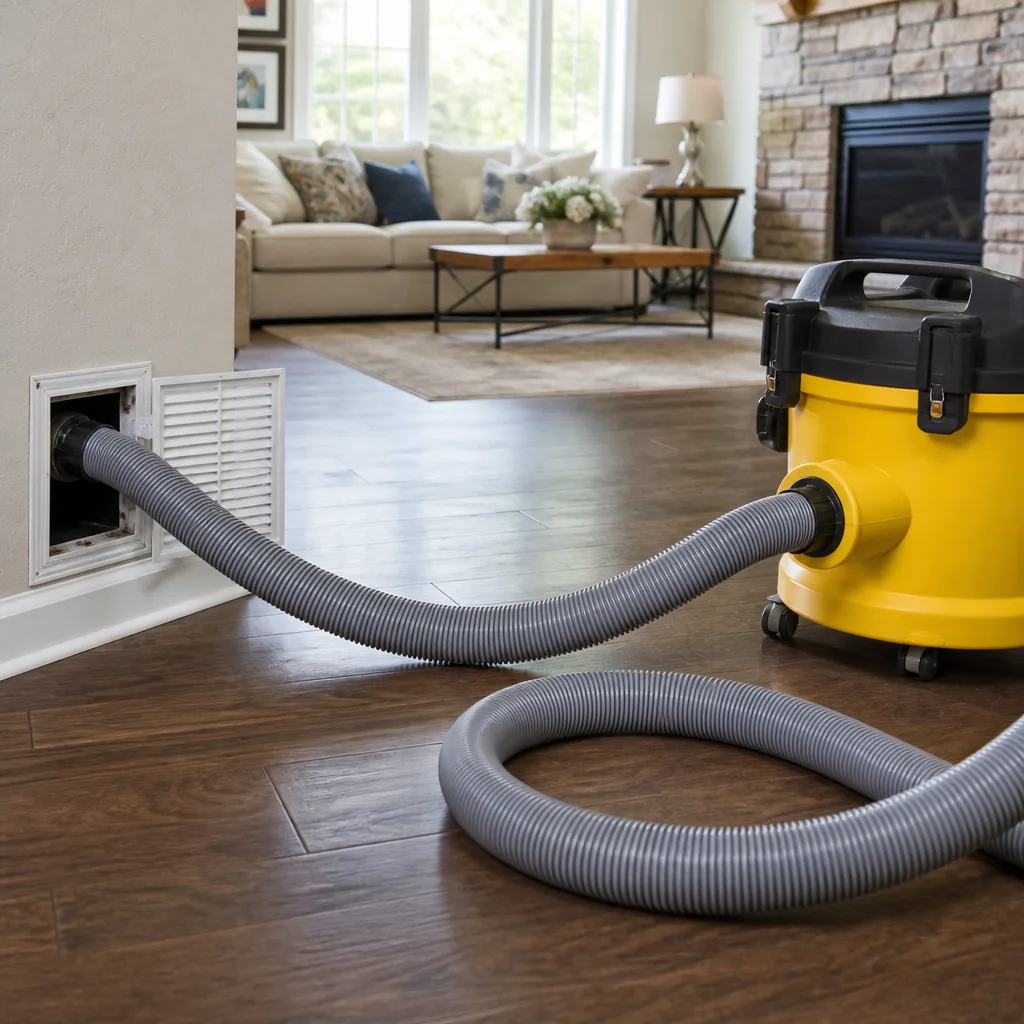
 Whole-home duct cleaning
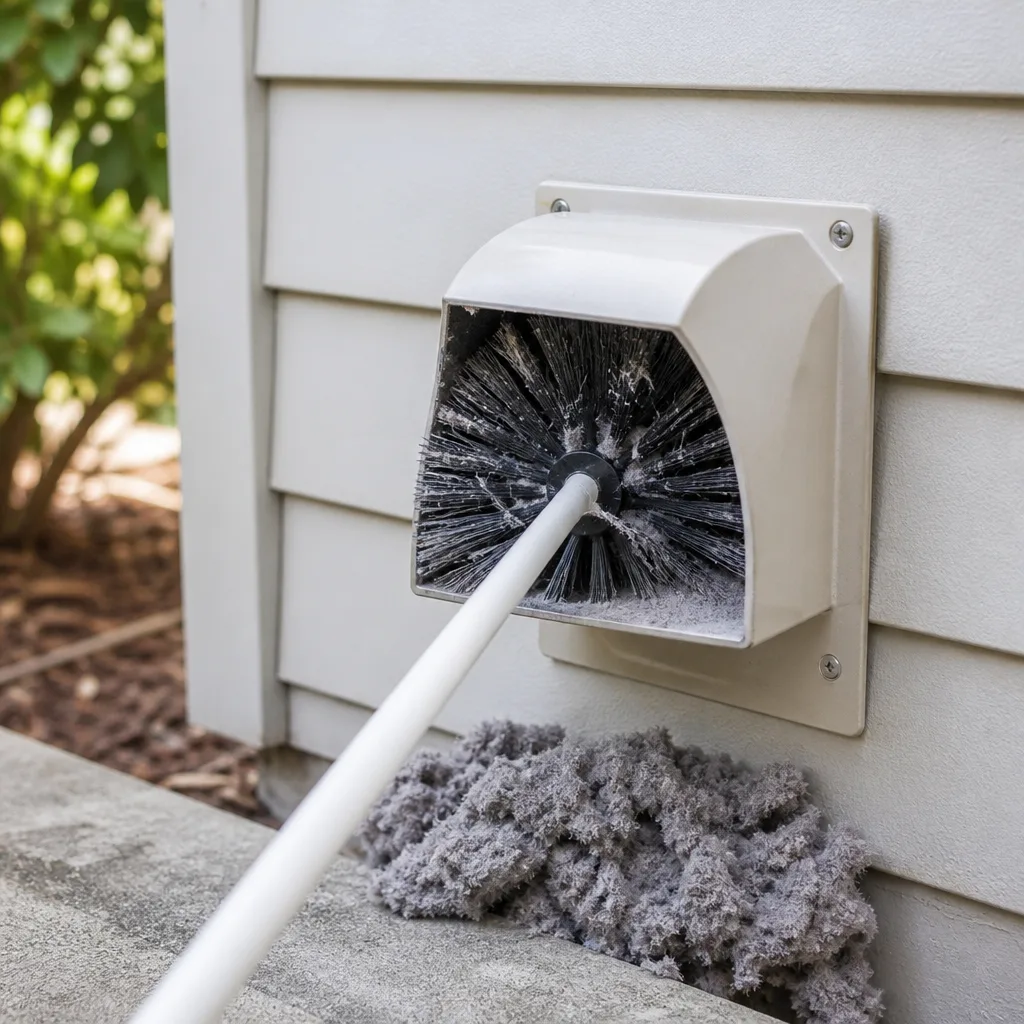 Dryer vent cleaning
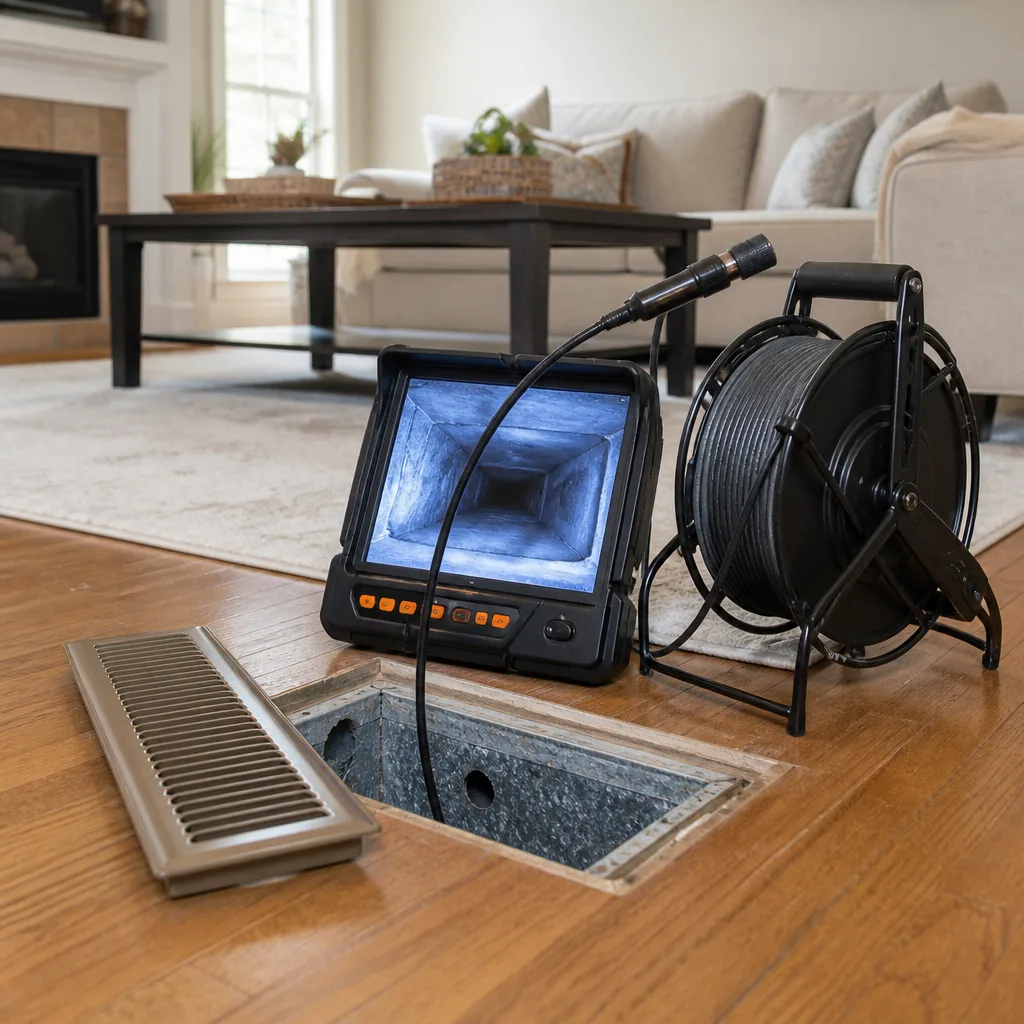 Camera inspection
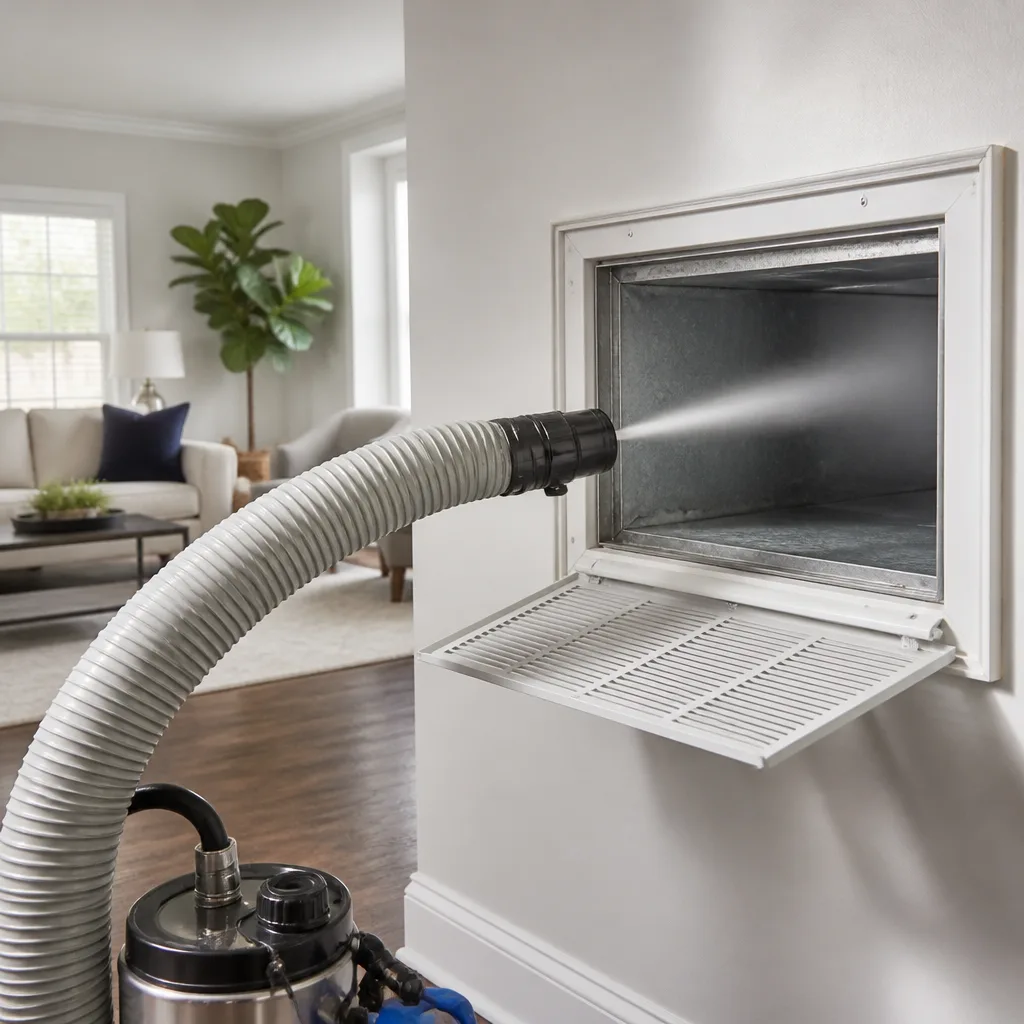 Sanitizing & deodorizing
Whole-system duct and dryer vent check with before-and-after photos - you see exactly what came out of your vents
That "$99 whole-house special" is a bait ad - the real number appears once they are in your hallway, or the "clean" is a shop-vac at the register. We photograph the inside of your ducts before and after instead.
Abatement Technologies Vent Sanitizing: The Atlanta Owner’s Guide
If your Abatement Technologies vent sanitizing system has stopped working or is throwing an error code, we stock the replacement parts, install them, and typically complete the job in a single visit for $340 to $780 installed, depending on your model and what failed. Most Atlanta homeowners realize something’s wrong when the UV lamp stops glowing, the airflow drops noticeably, or the system starts making a faint buzzing sound that wasn’t there before. The good news is that these are repairable systems, and we’ve been working on Abatement Technologies units in Atlanta homes since 2004.
Here’s what we’ve learned the hard way: vent sanitizing equipment in Georgia takes a beating from humidity, and the parts that fail are rarely the ones the manual warns you about. This page covers exactly what goes wrong, what it costs to fix, and how to know whether you need a pro at your door.
Key Takeaways
- We stock Abatement Technologies-compatible vent sanitizing parts for most residential models and can usually complete the swap the same visit.
- Installed pricing runs $340 to $780 in Atlanta, with the written price agreed before any work begins.
- UV lamps are the most common failure point, especially in Atlanta’s humid summers when systems run continuously.
- We’re an independent service provider, not affiliated with Abatement Technologies, so we’ll give you the straight story on OEM versus quality aftermarket parts.
Which Abatement Technologies Models This Applies To
Abatement Technologies makes vent sanitizing and air purification equipment under a few distinct product lines, and the replacement part you need depends on which one you have. The most common residential units we service in Atlanta are the CAP Series (CAP600, CAP1200), the HEPA-AIRE portable units with UV options, and the in-duct UV sanitizing modules installed in HVAC supply plenums. Each uses different lamp sizes, ballast configurations, and mounting hardware, so matching the part to your exact model matters more than you’d expect.
The compatibility gotcha we see most often in Atlanta: the UV lamp for a CAP600 will not fit a CAP1200, even though the housings look nearly identical from the outside. The lamp lengths differ by roughly four inches, and the electrical connectors are pinned differently. Before you order anything online, check the silver data plate on the back or side of your unit. It’ll list the model number and, in most cases, the lamp replacement part number starting with “UV-” or “LMP-.” If the plate is worn or missing, measure the old lamp end-to-end and call us with that number. We’ll match it correctly the first time.
OEM versus aftermarket: Abatement Technologies lamps and ballasts are well made, but they come at a premium. For most residential applications in Atlanta, a quality aftermarket lamp with the same UV-C output rating and pin configuration performs identically and costs 30-40% less. Where we do not cut corners: ballasts and control boards. Those we recommend OEM because the aftermarket versions have a spotty reliability record in Atlanta’s voltage-fluctuating summer grid.
Styles & brands we work with
Signs Your Abatement Technologies Vent Sanitizing Is Failing
Symptoms usually show up gradually, and by the time you notice, the part is often completely gone. Here’s what Atlanta homeowners report to us most often:
- No visible glow from the UV lamp. On units with a viewport, you’ll notice the characteristic blue-violet light is gone. UV lamps degrade over time and typically lose effectiveness after 9,000 to 12,000 hours, which for an Atlanta home running the system year-round is about 12 to 16 months.
- Intermittent buzzing or humming. That’s usually the ballast struggling to fire the lamp. Ballasts in Abatement units fail faster in humid environments because moisture accelerates capacitor degradation inside the housing.
- Error code on the display (CAP Series). Codes like E1 or E3 typically point to lamp failure or ballast failure respectively. Abatement’s manual lists codes, but the root cause is almost always one of those two components.
- Reduced airflow through the unit. If the pre-filter or the main filter is clogged, the system works harder and the sanitizing module often cycles off on thermal protection. In Atlanta, pollen season in March and April clogs filters faster than anywhere else we’ve worked.
- Musty smell returning to the ductwork. That’s the sign the sanitizing function isn’t doing its job anymore. It usually means the UV lamp has been dead for weeks or months and the homeowner just hadn’t noticed.
See the difference
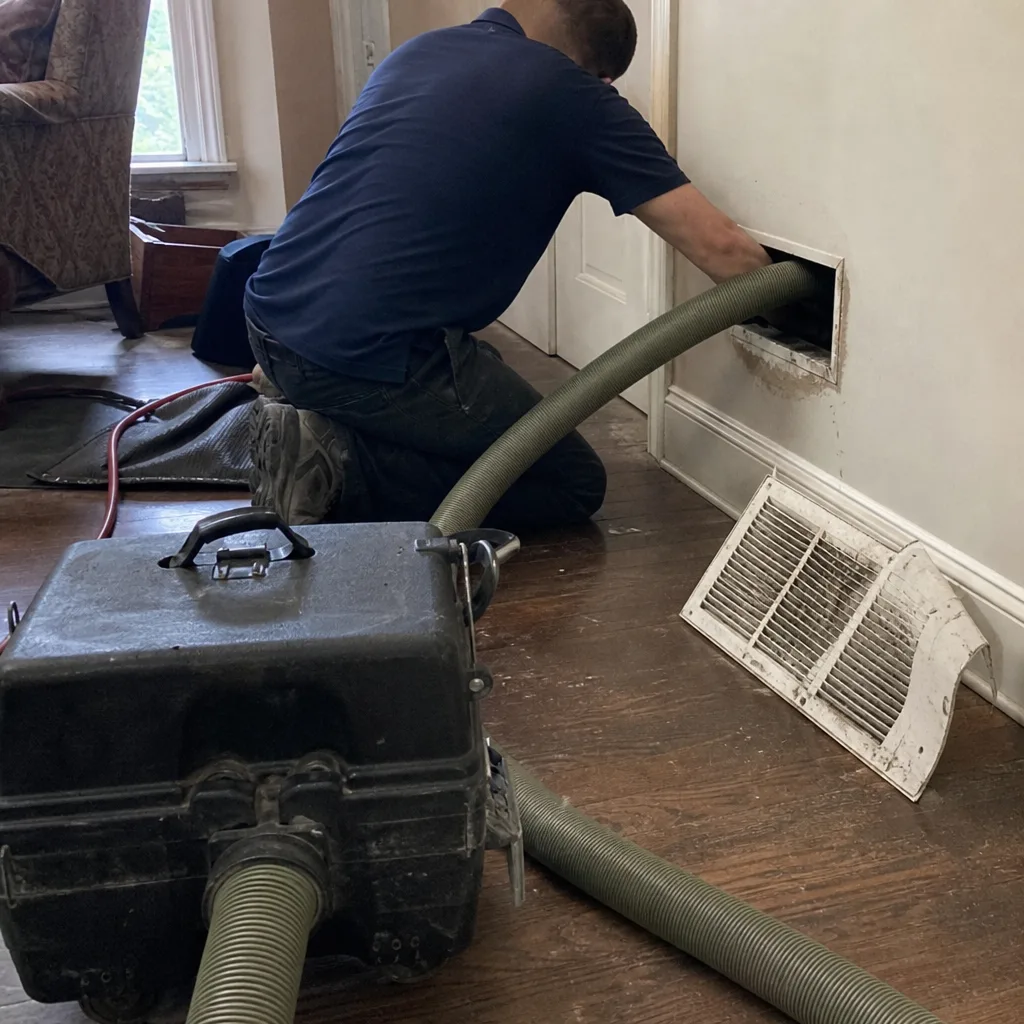 Before
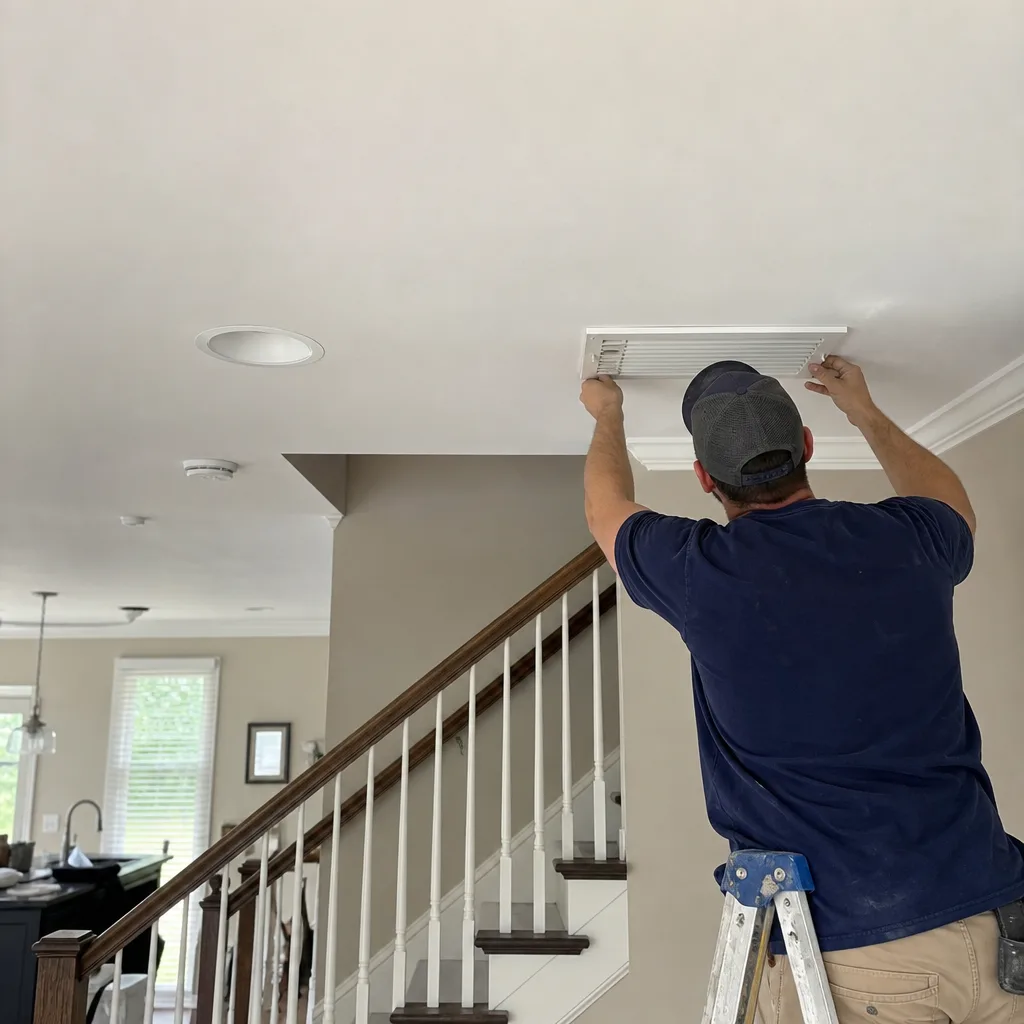 After
After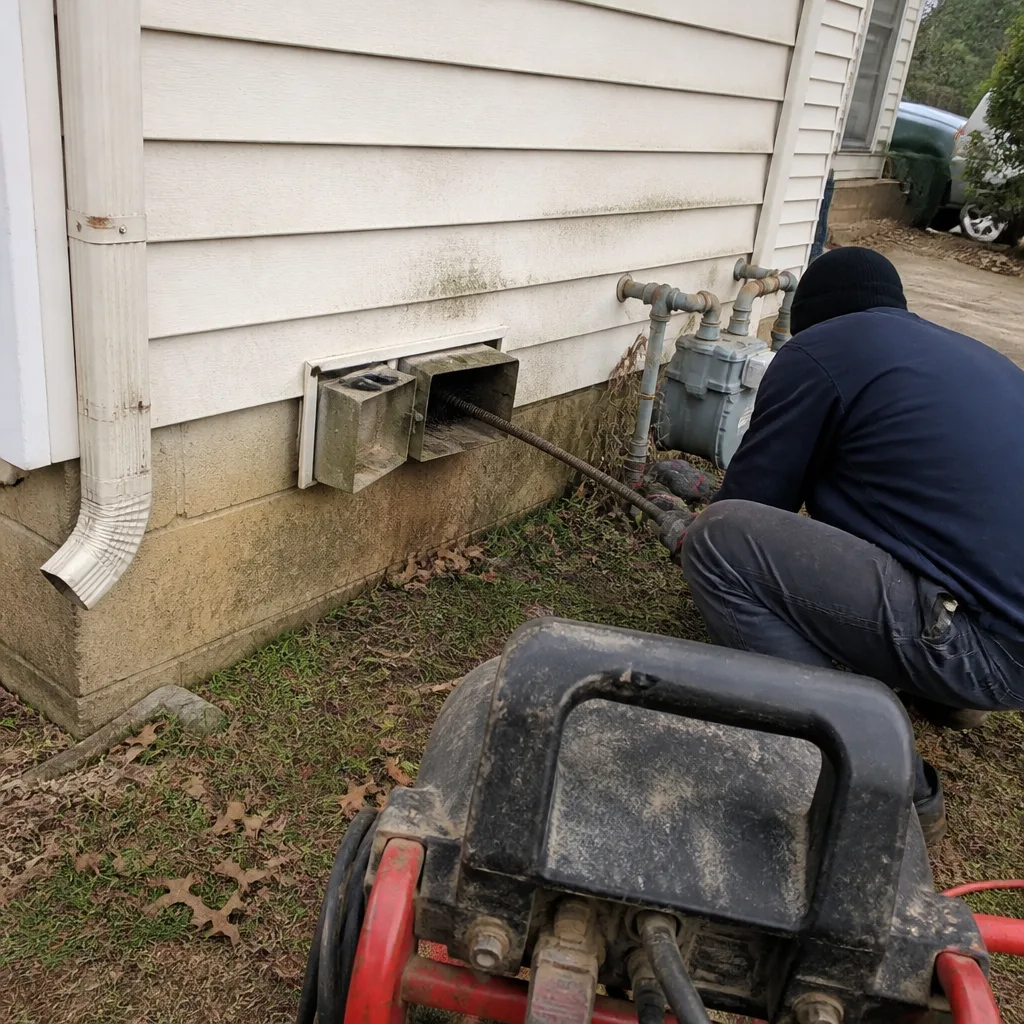 Before
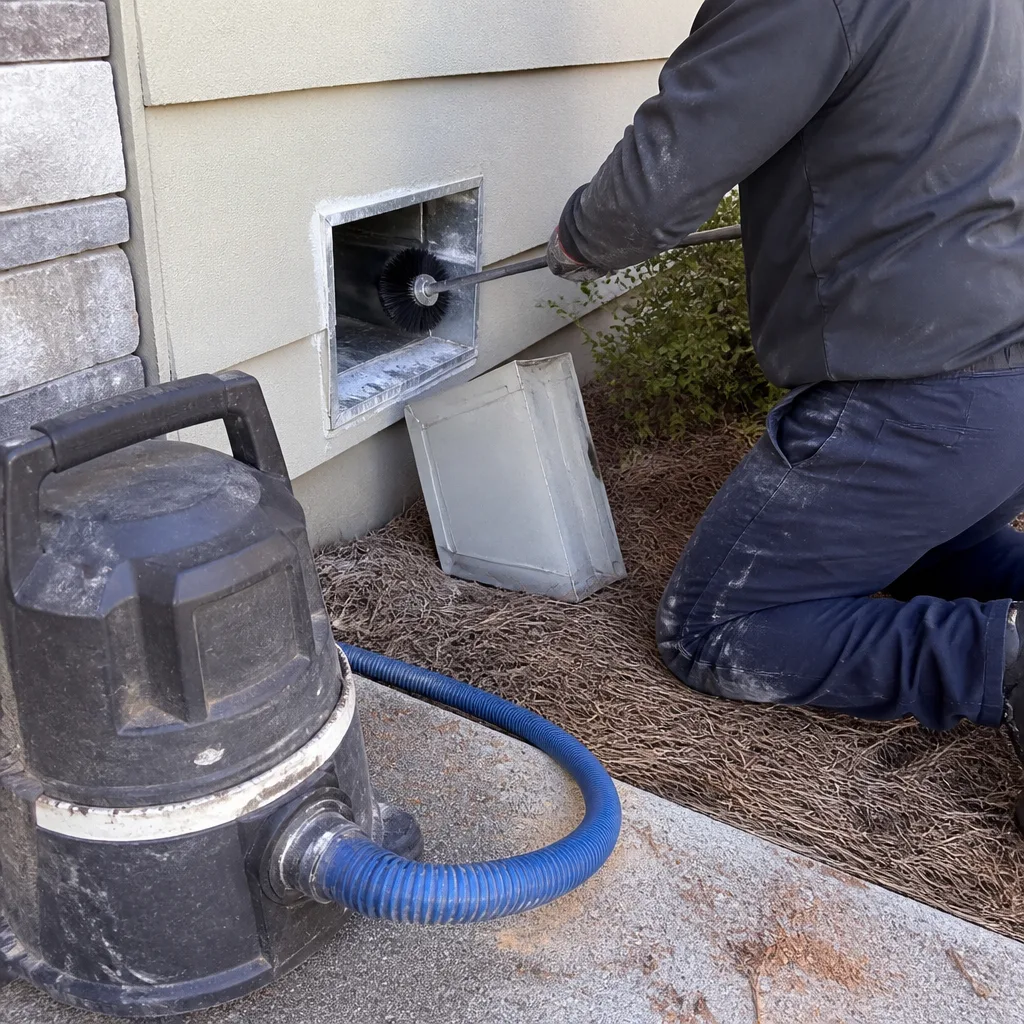 After
After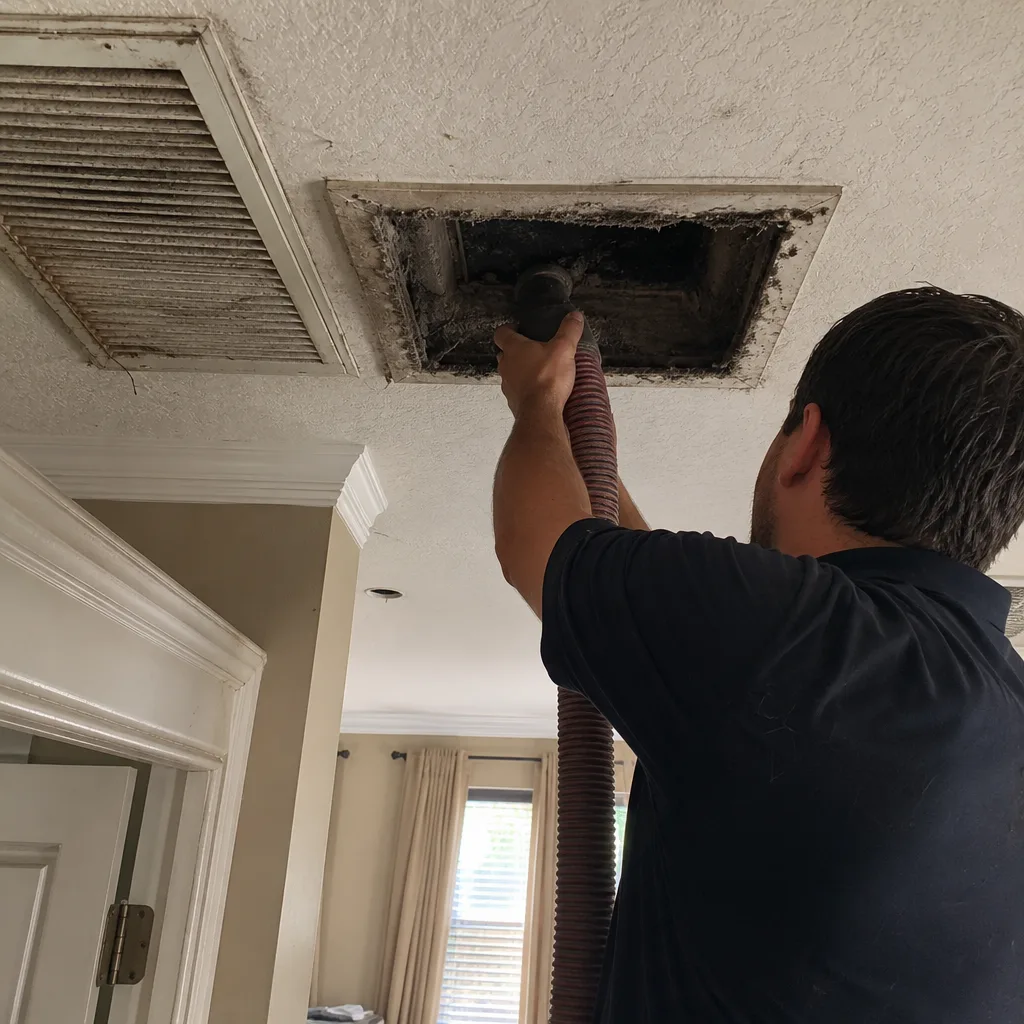 Before
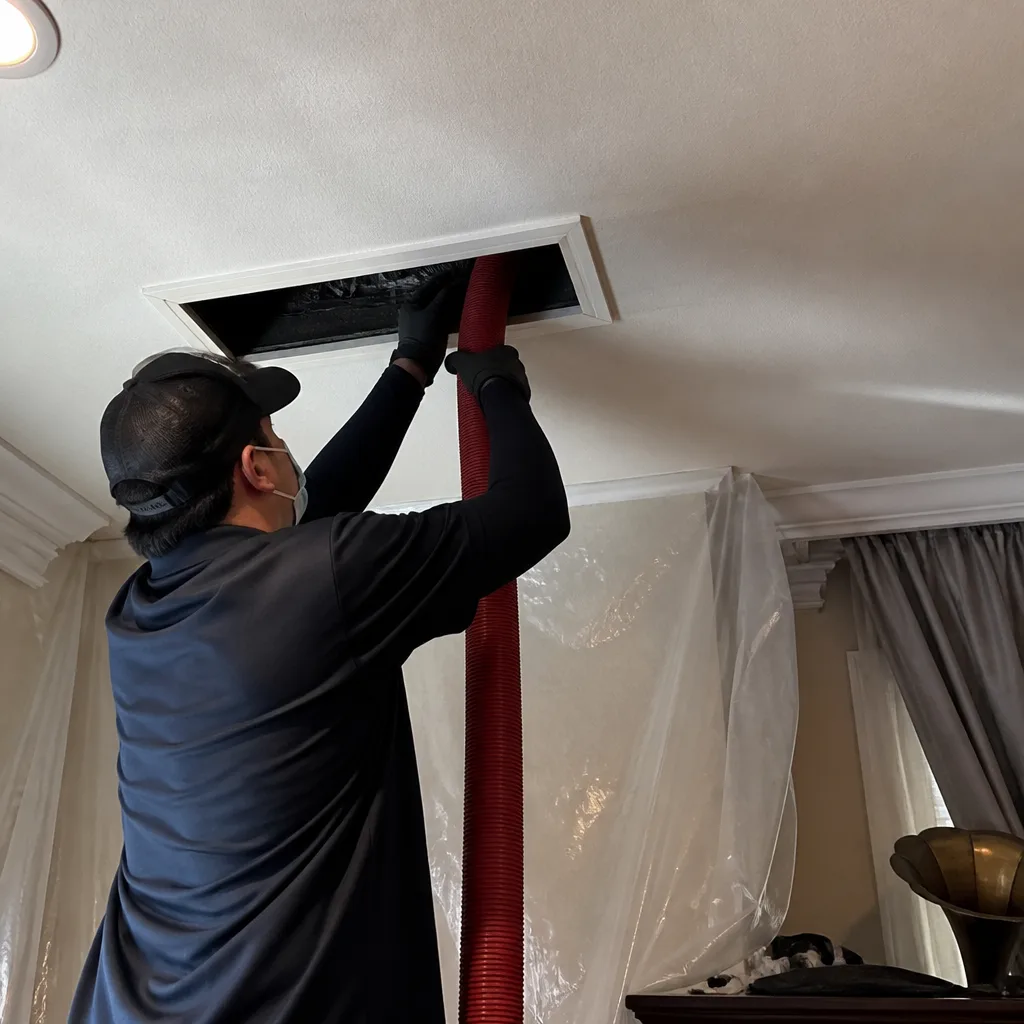 After
AfterReplacement Cost & What’s Included
Vent sanitizing replacement in Atlanta runs $340 to $780 installed, with most jobs landing in the $425 to $550 range. Here’s the breakdown:
- UV replacement lamp: $90 to $220 depending on model and whether you go OEM or aftermarket.
- Ballast replacement: $80 to $160, with OEM ballasts at the higher end.
- Labor and service call: $170 to $300, including diagnostics, installation, and system testing.
- Full module replacement: $600 to $780 when the housing, ballast, and lamp all need replacement due to age or moisture damage.
Every quote is a flat price per system, put in writing before any work begins. No per-part surprises, no bait pricing, no “while we’re in there” upsells. You’ll know the exact number before we touch a screwdriver. And the work is covered by our 365-Day Done Right Promise: if the repair fails during that year, we return and make it right at no charge.
DIY or Call Us?
There’s an honest line between what an Atlanta homeowner can safely check and what should be left to someone who does this every day. You can absolutely inspect the viewport to see if the lamp is glowing, check and swap the pre-filter, and note any error codes from the display. Those are safe, simple checks.
What we don’t recommend doing yourself: opening the sanitizing housing to swap a UV lamp. UV-C light at the intensity these units produce can damage your eyes and skin quickly, and the wiring inside involves line voltage. We also see too many DIY replacements where the homeowner installs the wrong lamp length or pinning, fries the new ballast, and ends up paying for a second repair. These units live in tight plenum spaces, and one loose connection can mean a trip back to square one. If you’re on the fence, call us at (912) 493-7110 and describe what you’re seeing. We’ll tell you straight whether it’s a $90 lamp or something more involved, and you can decide from there.
FAQs
Realistically, 12 to 16 months in Atlanta’s climate, because our systems run year-round for both cooling and heating. Abatement rates lamps at 9,000 to 12,000 hours, and Atlanta’s continuous operation plus humidity means you’ll hit that faster than the national average. Call (912) 493-7110 for an exact quote on your model, and we’ll keep your lamp replacement on a reminder schedule so you’re never running a dead sanitizer.
Most Abatement Technologies units can be repaired with a new lamp or ballast, which costs far less than a full module replacement. We only recommend full replacement when the housing itself has corroded or the control board is damaged beyond reliable repair. We’ll show you the failed part and explain why before any purchase decision is made.
Most replacements take 45 to 90 minutes on site, including diagnostics, the swap, and testing the system to confirm the sanitizer is working at full output. We’ll also do a quick inspection of your ductwork while we’re there, since Atlanta’s humidity often means the sanitizer isn’t the only thing worth checking.
Yes. We keep common Abatement Technologies lamps, ballasts, and filters on the truck because Atlanta’s heat and humidity mean these fail on a schedule, not randomly. We also stock compatible parts for Lennox, Trane, and Carrier systems, so if your sanitizer is integrated with a larger HVAC setup, we can usually address it in one visit. Call (912) 493-7110 and describe your unit. We’ll tell you if we have the part before we even schedule the appointment.
Written by Marcus Veale, Owner, Linden Air Duct Atlanta, serving Atlanta and nearby areas.