

Last updated October 17, 2026
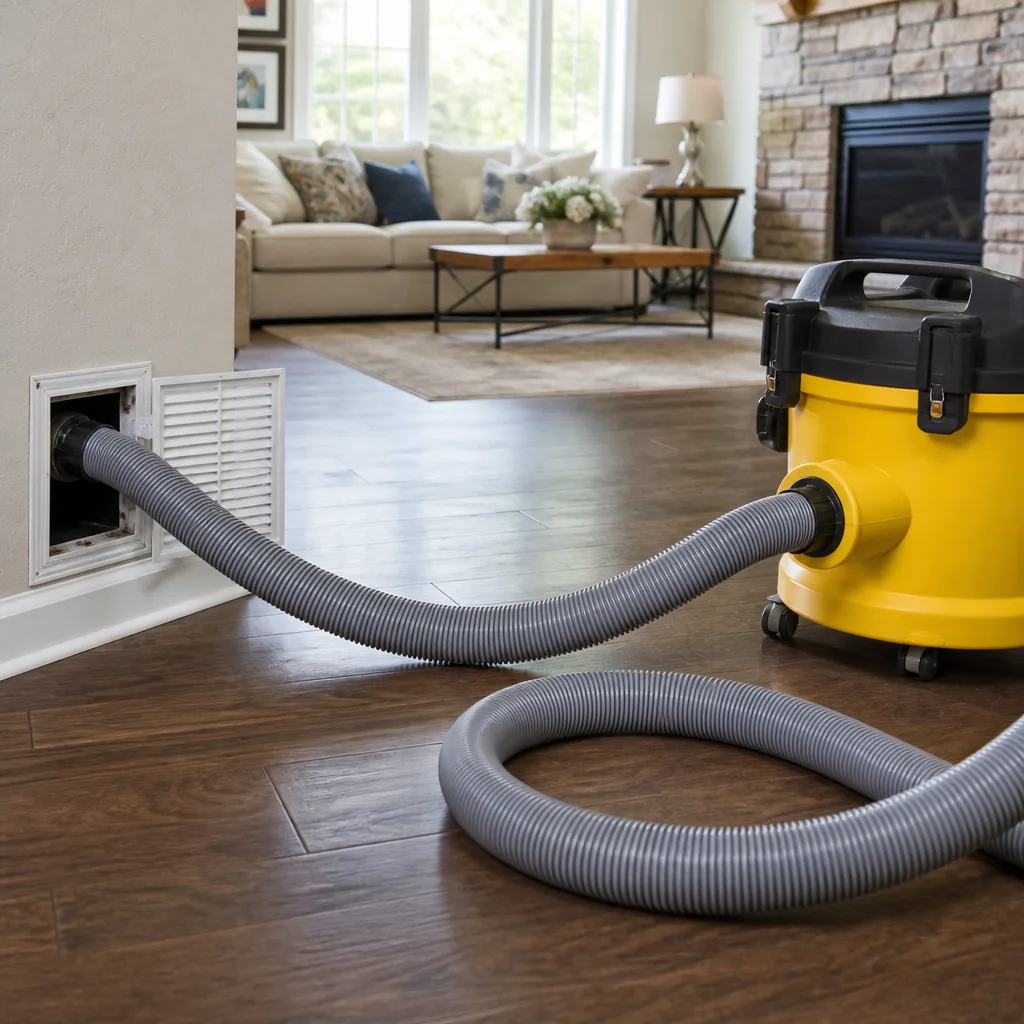 Whole-home duct cleaning
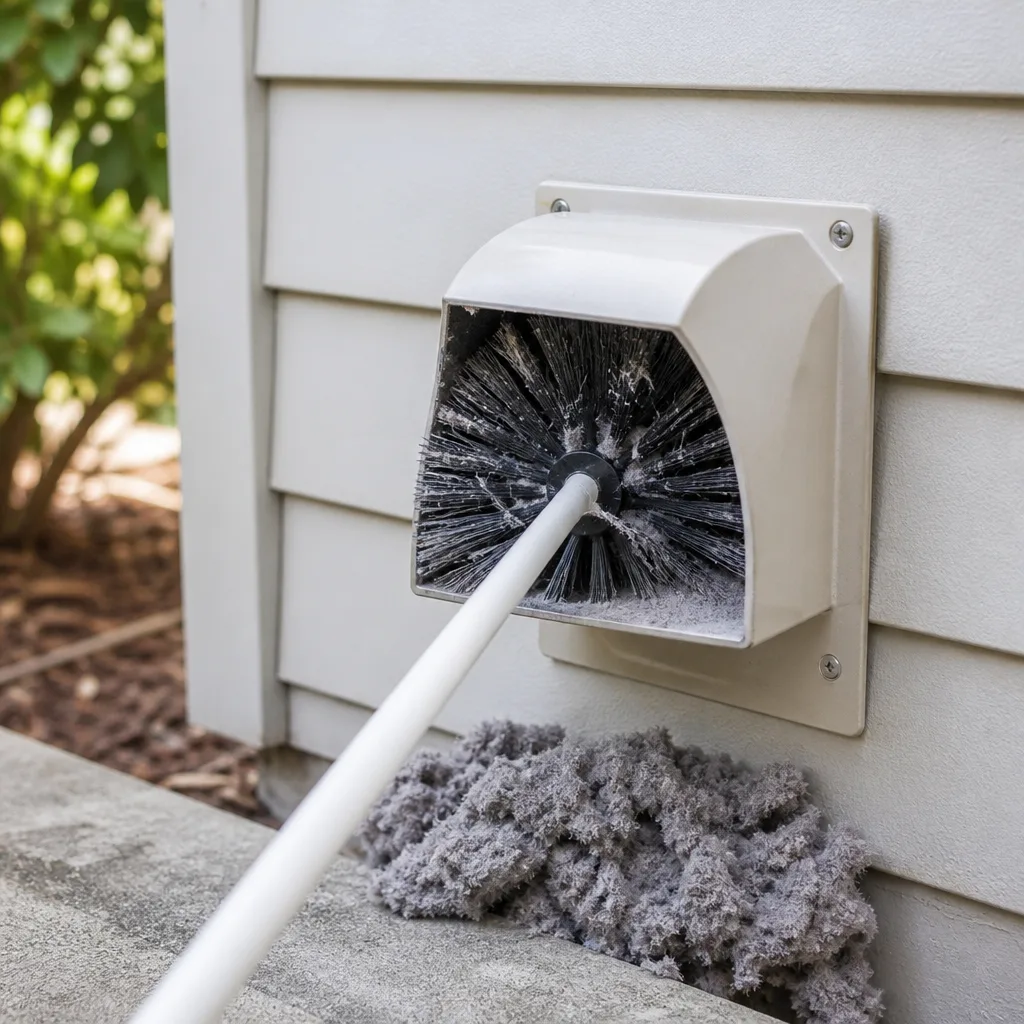 Dryer vent cleaning
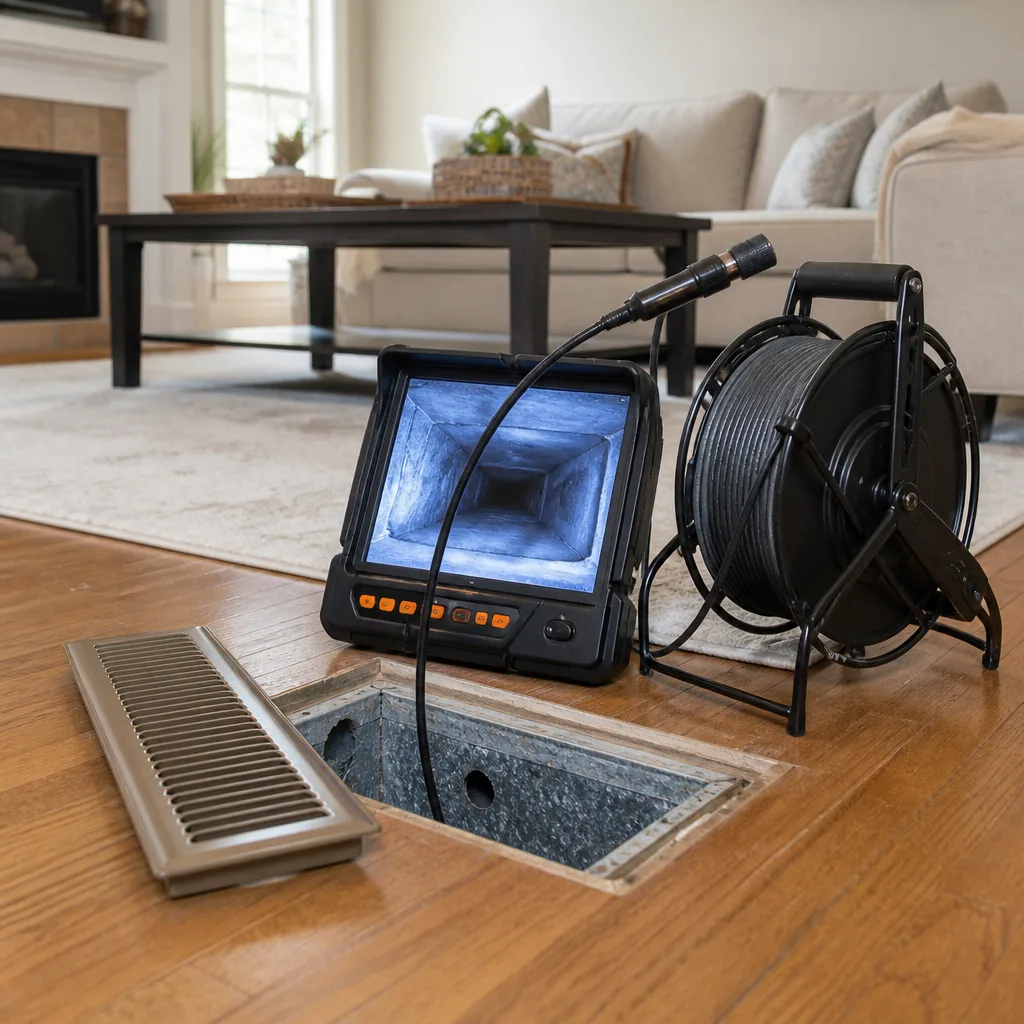 Camera inspection
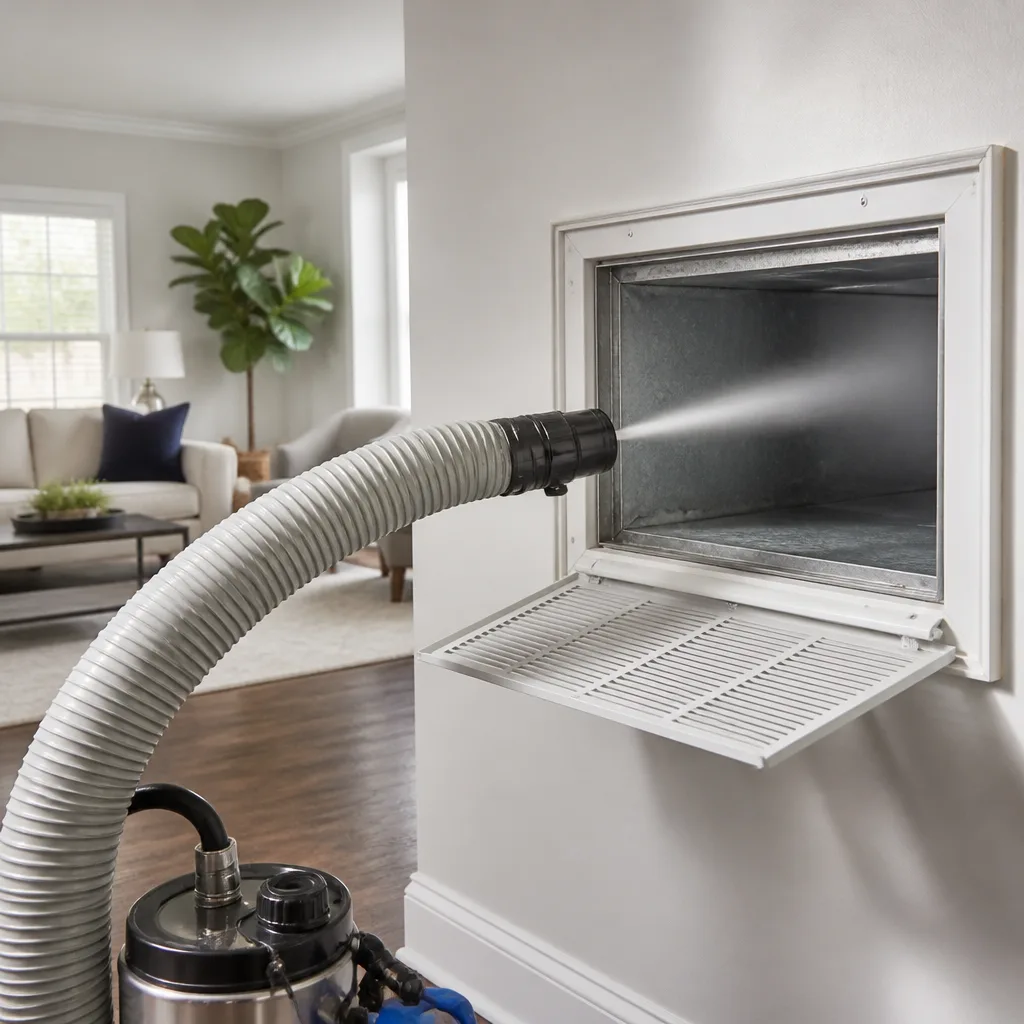 Sanitizing & deodorizing
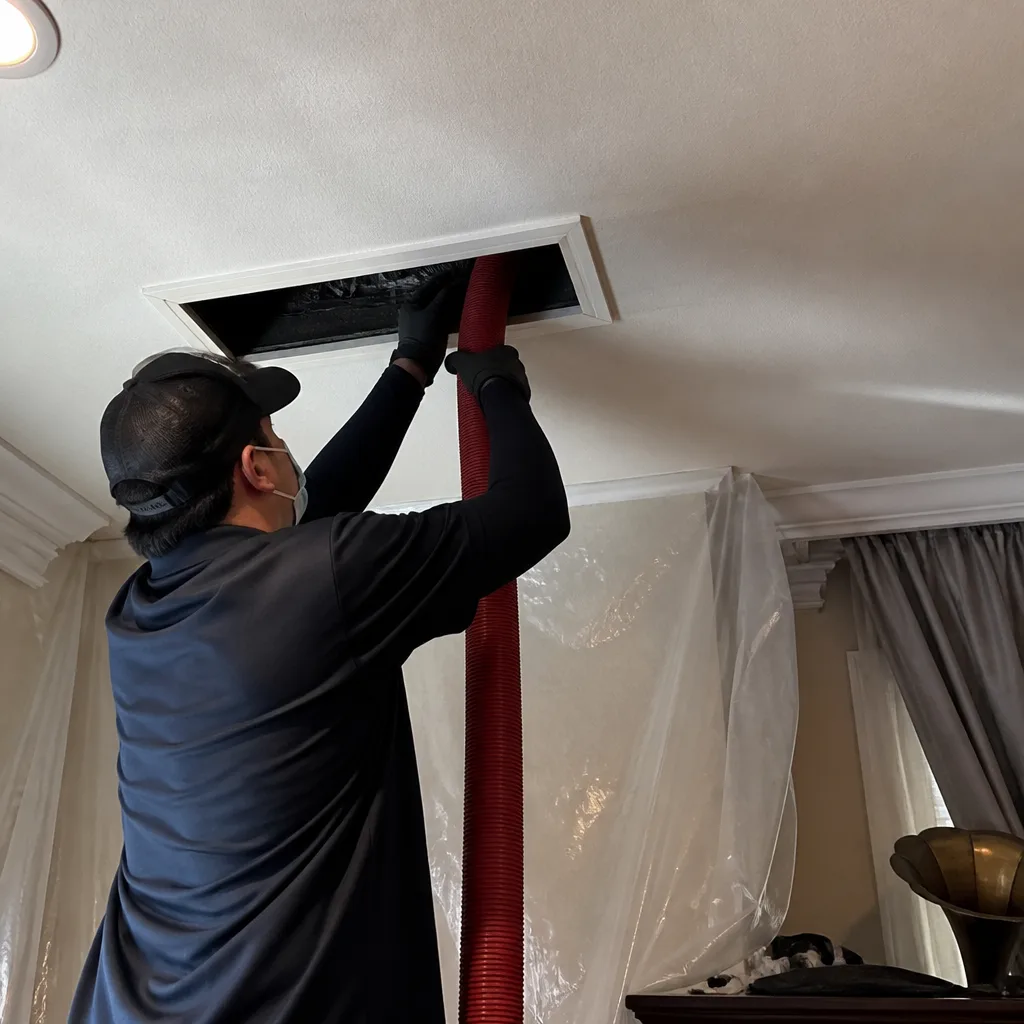
Whole-system duct and dryer vent check with before-and-after photos - you see exactly what came out of your vents
That "$99 whole-house special" is a bait ad - the real number appears once they are in your hallway, or the "clean" is a shop-vac at the register. We photograph the inside of your ducts before and after instead.
How to Hire a Air Duct Cleaning Contractor in Atlanta: A Step-by-Step Guide
Here’s something most Atlanta homeowners don’t realize until it’s too late: the Georgia Consumer Protection Division has logged complaints against duct cleaning companies that advertised $49 specials and presented bills of $400 to $900 once the technician was standing in the living room. The upsell happens inside your home, where saying no feels uncomfortable. This guide walks you through the exact vetting sequence we recommend to our own neighbors, from the three documents you should demand before booking to the specific questions that expose bait-and-switch operators before they ever ring your doorbell in Atlanta. For our full Air Duct Cleaning services, see what we include in every visit.
Quick Answer
To hire a trustworthy air duct cleaning contractor in Atlanta, request three documents before booking: proof of NADCA membership, a general liability certificate naming your address, and a written scope-of-work with line-item pricing. Verify the technician’s identity before opening the door, ask whether the quote covers the whole system or per vent, and confirm in writing what triggers additional charges. A legitimate Atlanta company will provide all of this willingly; a bait-and-switch operator will stall, deflect, or insist you just trust them.
Styles & brands we work with
Table of Contents
- Why Atlanta’s Duct Cleaning Market Needs Extra Vetting
- The Three Documents to Request Before You Book
- How to Verify a Technician’s Identity Before Opening the Door
- The Questions That Expose Bait-and-Switch Operators
- What Background-Check Verification Actually Means for In-Home Workers
- How to Read an Estimate for Hidden Scope Gaps
- Why the Equipment a Contractor Uses Changes the Result
- What Atlanta’s Climate Means for Your Ductwork
Why Atlanta’s Duct Cleaning Market Needs Extra Vetting
Atlanta is a big market for air duct cleaning, and that size attracts both excellent contractors and operators who rely on volume and pressure. The pattern is consistent: a postcard or social media ad offers a whole-house cleaning for a price that seems too good to be true, and it usually is. The technician arrives, takes a quick look, and explains that the advertised price only covered the main trunk line, not the branch ducts, the return side, or the air handler. Suddenly the $49 special is a $600 invoice, and you’re standing in your own hallway trying to decide whether to pay it or ask a stranger to leave.
The Georgia Consumer Protection Division maintains public records of exactly these complaints. What makes Atlanta particularly vulnerable is the age of its housing stock. Homes built before 1990 in neighborhoods like Virginia-Highland, Decatur, and East Point often have ductwork that hasn’t been inspected in decades. That’s a legitimate problem worth fixing, but it also gives dishonest operators a ready-made story about how much work your system “urgently” needs.
Our position is simple: you should know the full price before anyone enters your home, and you should know exactly who that person is before you open the door. Everything in this guide flows from those two principles.
The Three Documents to Request Before You Book
Before you schedule any air duct cleaning in Atlanta, ask the company to provide three specific documents. Legitimate contractors will send them without hesitation. Operators who rely on in-home pressure tactics will resist, and that resistance is your first red flag.
1. Proof of NADCA Membership
NADCA, the National Air Duct Cleaners Association, is the industry’s main standards body. Membership means the company follows a published code of ethics and has access to technical standards for cleaning and restoration. Ask for the company’s NADCA member number and verify it on NADCA’s public directory. This takes five minutes and filters out a large share of fly-by-night operators. It’s not a guarantee of honesty, but it’s a baseline of professionalism.
2. A General Liability Certificate Naming Your Address
Any legitimate contractor operating in Atlanta will carry general liability insurance. But there’s a difference between a company that has insurance and one that will prove it covers work at your address. Request a certificate of insurance with your property listed as an additional insured for the duration of the job. This costs the company nothing but an email to their insurer. If they won’t provide it, ask yourself why.
3. A Written Scope-of-Work with Line-Item Pricing
This is the document that kills bait-and-switch pricing. Before anyone shows up at your door, you should have a written description of exactly what will be cleaned: supply ducts, return ducts, the air handler compartment, the blower assembly, and whether the dryer vent is included or excluded. Each line should carry its own price. A single bundled number with no breakdown is where hidden exclusions hide. At Linden Air Duct Atlanta home, we put the full price in writing before any work begins, every single time, because we’ve seen too many Atlanta homeowners handed a surprise invoice at the end of a job.
How to Verify a Technician’s Identity Before Opening the Door
Letting a stranger into your home is the real decision behind every “how do I hire a duct cleaner” search. The vetting doesn’t stop at the company level. You should know who is coming before they arrive.
A legitimate Atlanta company will do the following without being asked:
- Send the technician’s name and photo before the scheduled visit, by text or email. You should know who to expect, not just which company.
- Tell you the technician’s arrival window and call if that window shifts. Life happens; what matters is that you aren’t left waiting with no information.
- Show a photo ID badge at the door, without you having to ask. The badge should match the name and photo you received in advance.
This is what we call the Threshold Standard, and it’s how we’ve operated since 2004. Every Linden technician is background-checked, identity-verified, and introduced to you by name and photo before the visit. The photo ID badge is shown at the door before we step inside. If a company scrambles to produce any of this on the spot, that tells you something about their process.
There’s a practical reason this matters beyond trust. If something goes wrong during the visit, you need to know exactly who was in your home. A name and a face, documented in advance, gives you a real record. A company that sends an unnamed “tech” in an unmarked van leaves you with nothing if you need to file a complaint or report a problem.
The Questions That Expose Bait-and-Switch Operators
You don’t need to become a duct cleaning expert to spot a dishonest operator. You need to ask three specific questions and pay attention to how they’re answered. These questions work because dishonest contractors have learned to talk around them, but they can’t answer them directly without revealing their pricing structure.
- “Is this price per vent or for the whole system?” This is the single most important question in Atlanta duct cleaning. If the answer is per vent, multiply the per-vent price by the number of vents in your home and compare that total to what you thought you were paying. Most Atlanta homes have between 10 and 20 vents. A $49 whole-house price that’s actually $15 per vent becomes $150 to $300, and that’s before any add-ons. If the company won’t give you a straight answer in writing, walk away.
- “What triggers additional charges?” Every contractor has variables: inaccessible duct sections, pest remediation, antimicrobial treatment, extra return drops. A legitimate company will list these in the written scope-of-work so you know what is and isn’t included. A bait-and-switch operator will say something like “we’ll assess it when we get there,” which is code for “you’ll find out when the invoice arrives.”
- “Will you show me before-and-after photos of my own ducts?” This is the accountability question. Honest duct cleaners take photos during the job because they want you to see what you paid for. If a company hedges on this, ask yourself what they don’t want you to see. We provide before-and-after photos on every job because seeing the difference is half the point of Air Duct Cleaning in Atlanta.
What Background-Check Verification Actually Means for In-Home Workers
There’s a meaningful difference between a company that says it runs background checks and one that can prove it through a documented, third-party verified standard. Many companies in Atlanta include the phrase “background-checked technicians” in their marketing. Far fewer can tell you what that check actually covered, who performed it, and whether it was repeated over time.
A real background-check policy answers these questions:
- What does the check include? A criminal history search is the baseline. Does it also cover identity verification, driving records, and previous employment verification?
- Who performs the check? A third-party screening firm with a documented methodology carries more weight than an in-house “we ask them” policy.
- Is the check current? People’s circumstances change. A check run once at hiring is not the same as ongoing verification.
- Can the company show you proof? You probably won’t ask to see a technician’s background report, but the company should be able to describe its process in specific terms, not marketing language.
This matters particularly for homeowners who are often home alone, parents with young children, and older homeowners in Atlanta neighborhoods like Buckhead, Sandy Springs, and Dunwoody. The Threshold Standard at Linden Air Duct Atlanta means every technician is background-checked and identity-verified before they ever step onto your property. Marcus Veale, our owner, made this a non-negotiable when he started serving Atlanta homeowners in 2004, and it hasn’t changed since.
How to Read an Estimate for Hidden Scope Gaps
Even an honest-looking written estimate can contain scope gaps that inflate your final price. These are the exclusions to check for, line by line, before you sign anything.
- The dryer vent exclusion. Dryer vent cleaning is a separate service from air duct cleaning, and many base-price packages quietly leave it out. If your dryer vent hasn’t been cleaned in years, that’s lint buildup and a real fire risk, but you should know upfront whether it’s included or costs extra. In our experience building Dryer Vent Cleaning in Atlanta into a clear, separately priced service, homeowners appreciate knowing exactly what they’re paying for.
- The return duct exclusion. Some estimates price only supply ducts and treat the return side as an “add-on.” The return side moves just as much air and collects just as much dust. Ask explicitly whether return ducts are included in the base price.
- The air handler exclusion. The air handler compartment, the blower motor, and the evaporator coil are where the worst contamination often accumulates. If the estimate doesn’t mention them, they probably aren’t included, and a technician may recommend “additional services” once they see the condition. Get it in the scope-of-work from the start.
- The number-of-vents mismatch. Count your vents before you get an estimate. If the written scope says “up to 10 vents” and your home has 14, you’ve already identified a gap. Every vent should be in the scope.
The pattern in all of these gaps is the same: the base price looks competitive, and the real cost arrives after work begins. A written scope-of-work with line-item pricing, provided before booking, eliminates the gap. If a company won’t send it, the gap is the point.
Why the Equipment a Contractor Uses Changes the Result
Air duct cleaning in Atlanta isn’t just about trust; it’s about what actually gets removed from your ducts. The method and equipment matter more than most homeowners realize, and they explain part of why prices vary so widely.
The industry standard for effective cleaning is negative-pressure extraction, often called source removal. A powerful vacuum creates negative pressure inside the duct system while agitation tools dislodge debris from the duct walls. The debris is pulled into a filtration system, not blown into your living room. This is the method NADCA standards describe, and it requires professional-grade equipment.
Cheaper operators sometimes use a shop vac with a brush attachment, which dislodges some debris but doesn’t fully extract it. The dust settles back, and a few months later your ducts look the same as before. You paid for a cleaning; you got a light dusting.
We run professional-grade equipment from brands like Nikro and Rotobrush because Atlanta’s humidity and pollen load demand a real extraction. We also work with air-quality products from manufacturers like Honeywell and Aprilaire when a homeowner wants to address airborne particulates after a cleaning. The equipment isn’t a talking point; it’s the difference between a cleaner system and a temporarily disturbed one.
What Atlanta’s Climate Means for Your Ductwork
Atlanta’s climate is unusually hard on air duct systems. The combination of high humidity, long pollen seasons, and warm winters means your ductwork accumulates biological growth and particulate matter faster than in drier, cooler climates. Understanding this helps you evaluate what a duct cleaning contractor tells you.
Here’s what we regularly see across Atlanta neighborhoods:
- Pollen season runs long. Atlanta’s tree pollen season starts as early as February and grass pollen extends into early summer. That pollen gets pulled into return ducts and accumulates on damp coil surfaces. A duct cleaning in spring or early fall makes practical sense.
- Humidity creates condensation. Ductwork in unconditioned spaces, common in older Atlanta homes, sees condensation during summer months. That moisture lets dust particles stick to duct surfaces and creates conditions where microbial growth can occur. Negative-pressure extraction removes the accumulated material; a light vacuuming doesn’t.
- Return duct placement matters. Many Atlanta homes have return ducts in floors or low on walls, which pull in more heavy particulate than ceiling returns. Those returns need the same thorough cleaning as the supply side, which circles back to checking your estimate for return duct exclusions.
If a contractor tells you your Atlanta ducts need cleaning because of humidity and pollen, they’re probably right. The question is whether they’ve priced the whole job honestly before anyone steps inside.
Common Mistakes to Avoid
- Booking on price alone. The $49 special in Atlanta is almost never $49 by the time the invoice is written. Request the written scope-of-work with line-item pricing before you book, not after. If the company won’t provide it, the advertised price is a lure.
- Skipping the NADCA check. Verifying NADCA membership on the association’s public directory takes five minutes and eliminates a large share of operators with no professional standards. It’s the cheapest filter in this entire guide.
- Opening the door without verifying identity. You should receive the technician’s name and photo before the visit, and they should show a photo ID badge at the door. No name in advance, no photo, no badge, no entry. That’s a reasonable rule for any in-home service in Atlanta.
- Accepting a verbal quote. A price quoted over the phone and never written down is not a quote. It’s a conversation. Insist on written line-item pricing before the job is scheduled.
- Ignoring the dryer vent. Many homeowners assume dryer vent cleaning is included in a duct cleaning package, and many estimates quietly exclude it. Ask explicitly. A clogged dryer vent is a fire risk, and it deserves its own line in the scope.
- Not checking what the background check actually covers. “Background-checked” means different things to different companies. Ask what the check included, who ran it, and whether it’s current. A real standard holds up to that question.
- Treating all estimates as comparable. A $199 estimate that excludes return ducts, the air handler, and the dryer vent is not cheaper than a $350 estimate that covers the whole system. Compare scopes, not headline numbers.
See the difference
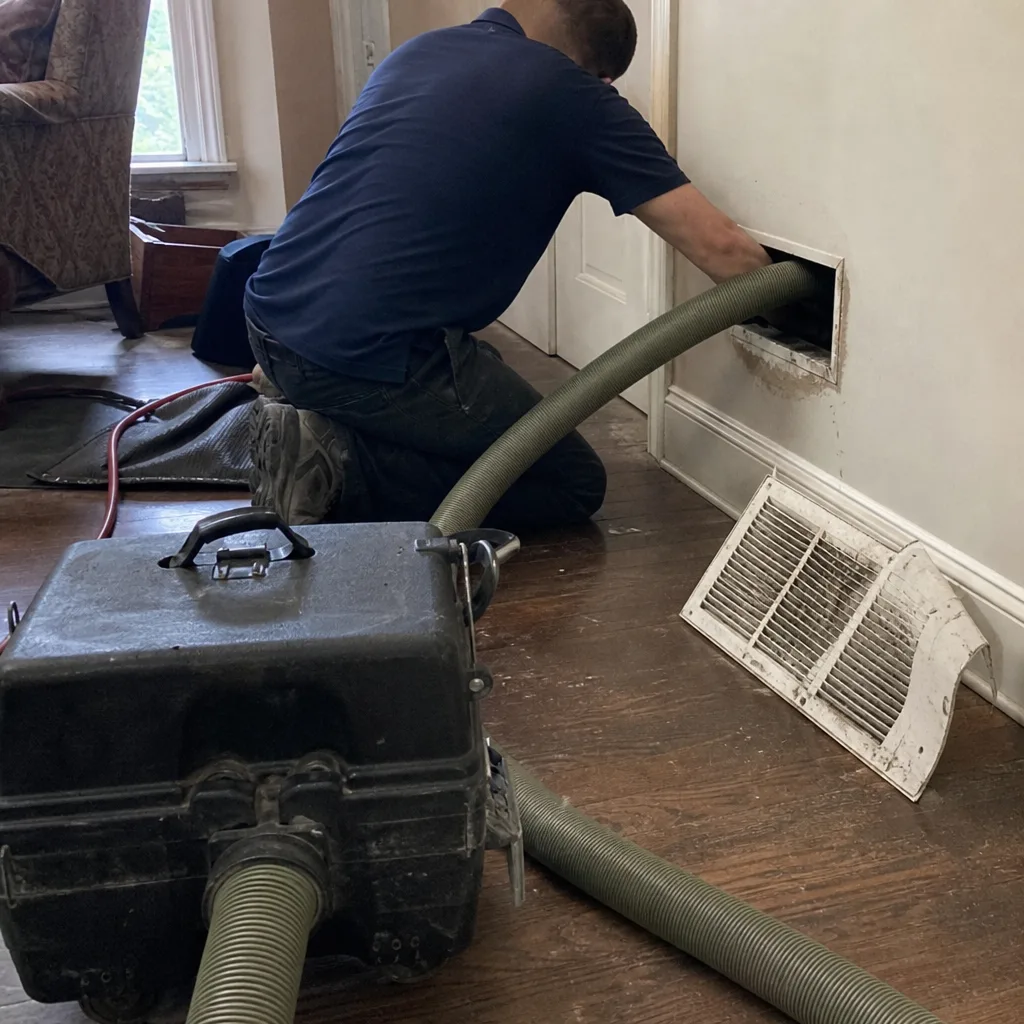 Before
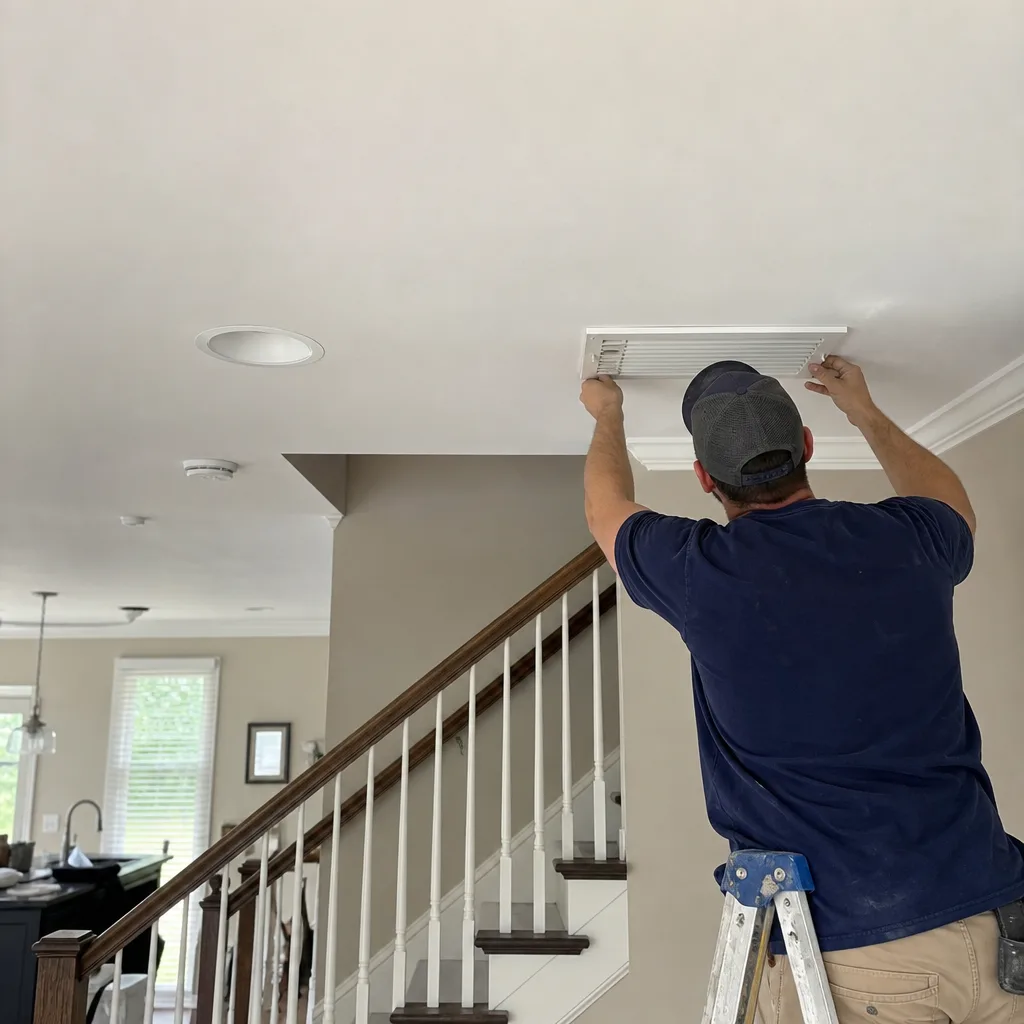 After
After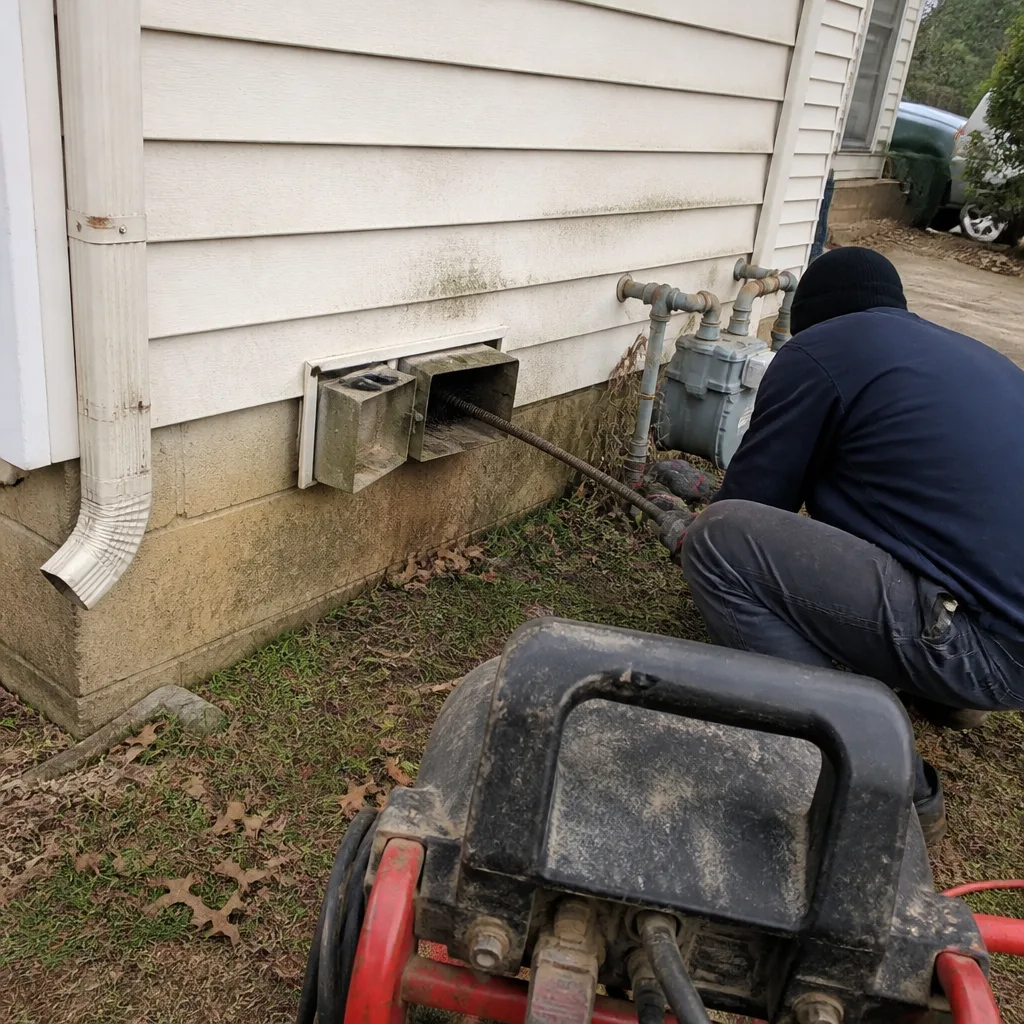 Before
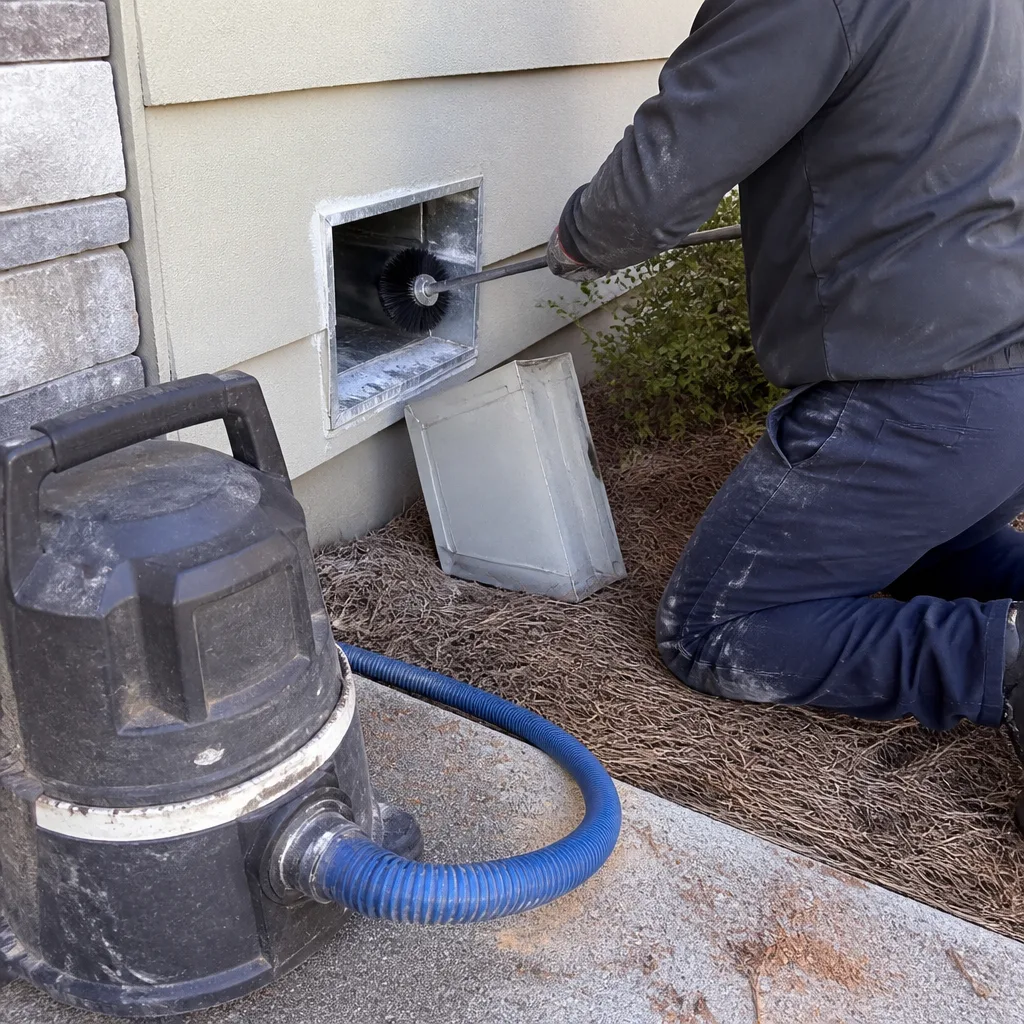 After
After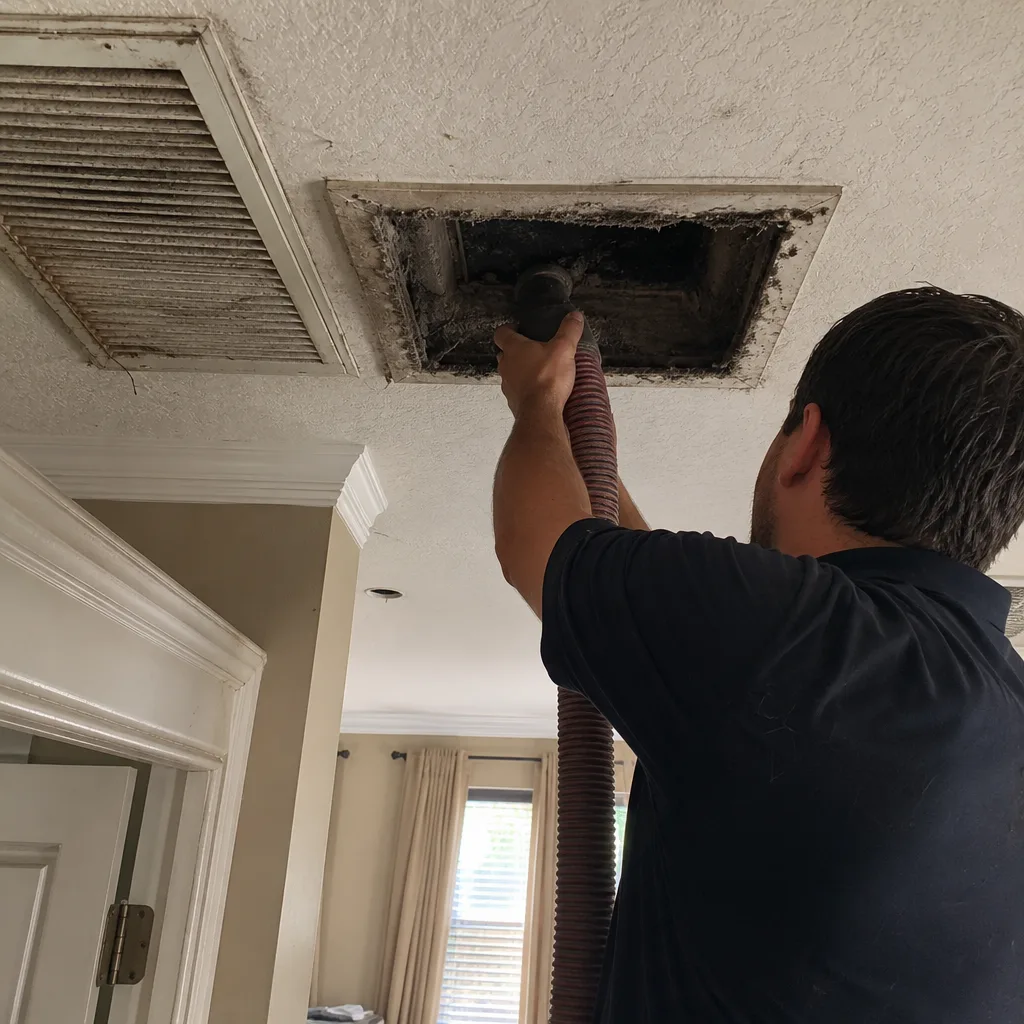 Before
 After
AfterWhen to Call a Professional
Some situations in Atlanta call for a professional duct inspection and cleaning sooner rather than later. If you’ve noticed visible dust buildup on vent covers, musty odors when the HVAC runs, or a family member’s allergy symptoms that worsen at home, your ductwork may be the source. If you’ve recently completed renovations, drywall dust and construction debris can coat the inside of ducts and reduce airflow. And if you’ve never had your ducts cleaned since moving in, especially in a home built before 1990, an inspection makes sense. Linden Air Duct Atlanta offers free estimates in Atlanta; call (912) 493-7110 and a real person will answer, any time, day or night.
Frequently Asked Questions
Air duct cleaning in Atlanta typically costs between $300 and $600 for a whole-system cleaning of a standard single-family home, depending on the number of vents, accessibility, and whether the dryer vent and air handler are included. For a detailed breakdown, see our Air Duct Cleaning Cost Breakdown: The Atlanta Homeowner’s Reference for 2026. Beware of advertised prices under $100; they almost always involve per-vent pricing or extensive exclusions that raise the final invoice to $400 or more. Call (912) 493-7110 for an exact written quote before any work begins.
Cheaper quotes in Atlanta usually mean one of three things: per-vent pricing that multiplies quickly, excluded services like return ducts and air handler compartments that get added on site, or less effective equipment that doesn’t actually remove accumulated debris. The honest way to compare quotes is to line up the scopes of work side by side, not the headline numbers. A written line-item estimate makes the comparison straightforward.
Ask for before-and-after photos of your own ductwork, taken during the job. A legitimate contractor will take these as a standard part of the work, not as a special request. The photos show you the interior of your ducts before cleaning and after, so you can see what was removed. If a company won’t commit to before-and-after photos before the job starts, treat that as a red flag.
NADCA membership is not legally required in Georgia, but it’s the industry’s primary professional standard, and most reputable Atlanta duct cleaning companies maintain it. Requiring NADCA membership as part of your vetting process filters out operators who don’t follow any published standards. Verify membership on NADCA’s public directory rather than taking a company’s word for it.
In Atlanta’s climate, with its long pollen seasons and high humidity, most homeowners benefit from air duct cleaning every 3 to 5 years. Homes with pets, smokers, recent renovations, or family members with respiratory conditions may need cleaning more often. If you can’t remember the last time your ducts were cleaned, an inspection is a reasonable next step.
Linden Air Duct Atlanta serves homeowners throughout the Atlanta metro area, including Buckhead, Midtown, Decatur, Sandy Springs, Dunwoody, Roswell, Marietta, East Point, and surrounding communities. We also provide Air Duct Repair in Atlanta for homeowners whose ductwork needs more than cleaning. Call (912) 493-7110 and a live person will confirm your address and schedule a free estimate.
The Bottom Line
Hiring an air duct cleaning contractor in Atlanta comes down to a sequence: request the three documents before booking, verify the technician’s identity before opening the door, ask the questions that expose bait-and-switch pricing, and read every estimate for scope gaps. None of this requires special knowledge. It requires patience and the willingness to walk away from anyone who won’t put things in writing. Atlanta’s duct cleaning market has real problems with bait-and-switch operators, but those operators rely on homeowners who won’t ask. The questions in this guide cost nothing to ask, and they filter out the worst actors before they ever reach your hallway. For more guides & resources, visit our blog.
Written by Marcus Veale, Owner at Linden Air Duct Atlanta, serving Atlanta since 2004.