

Last updated October 17, 2026
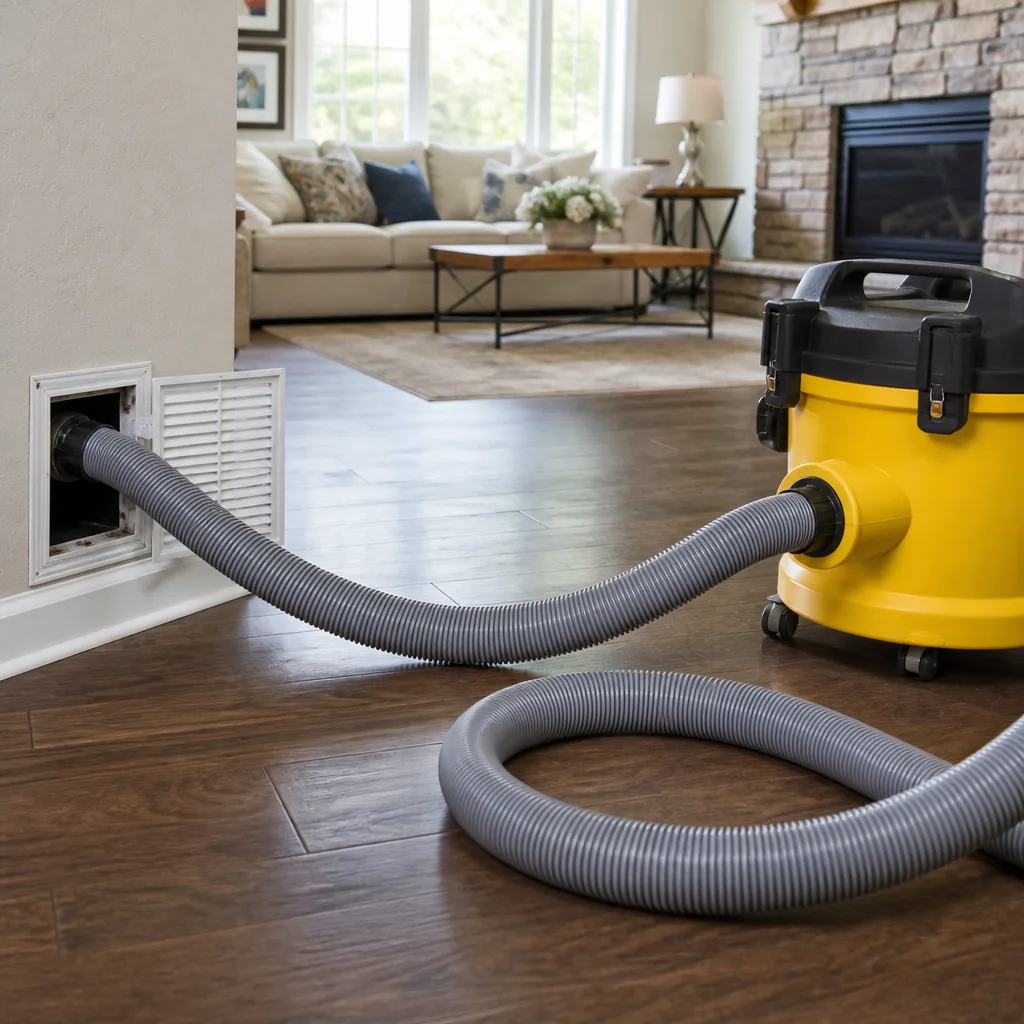 Whole-home duct cleaning
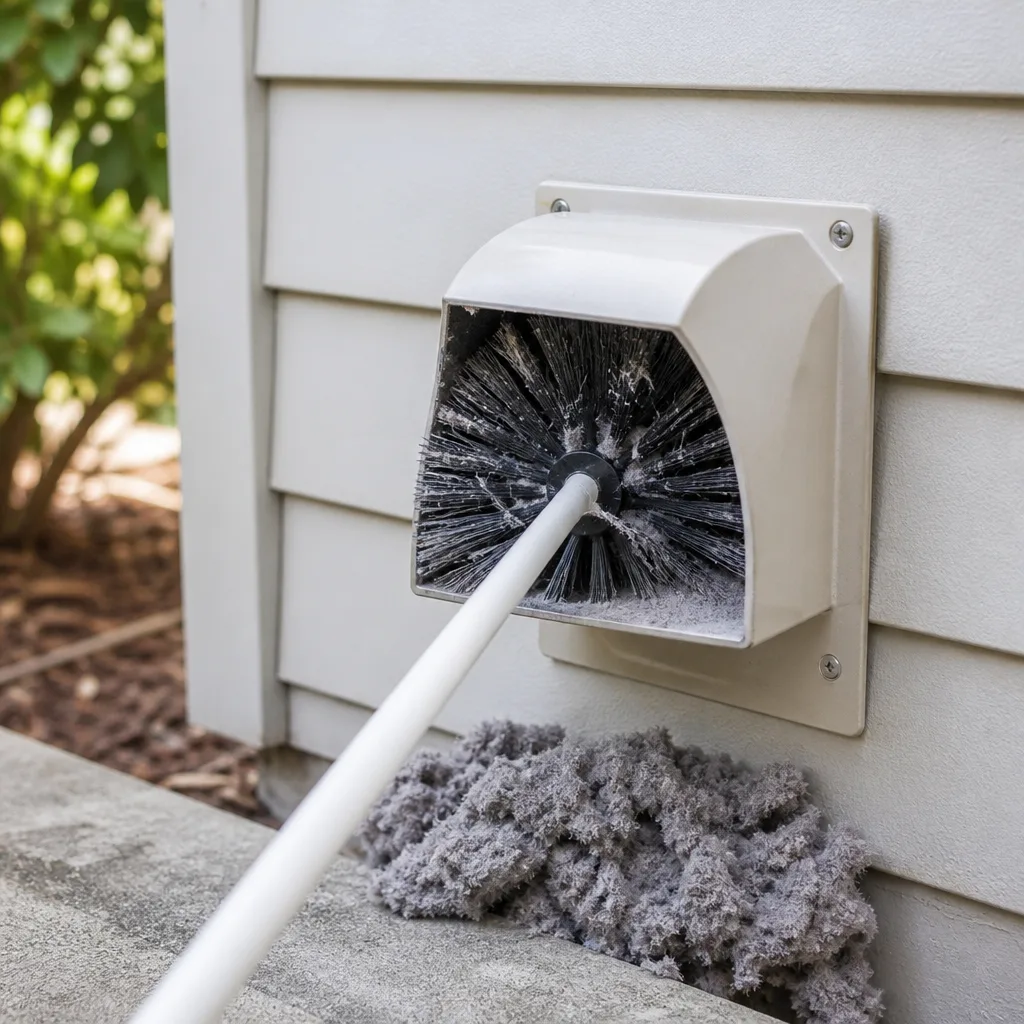 Dryer vent cleaning
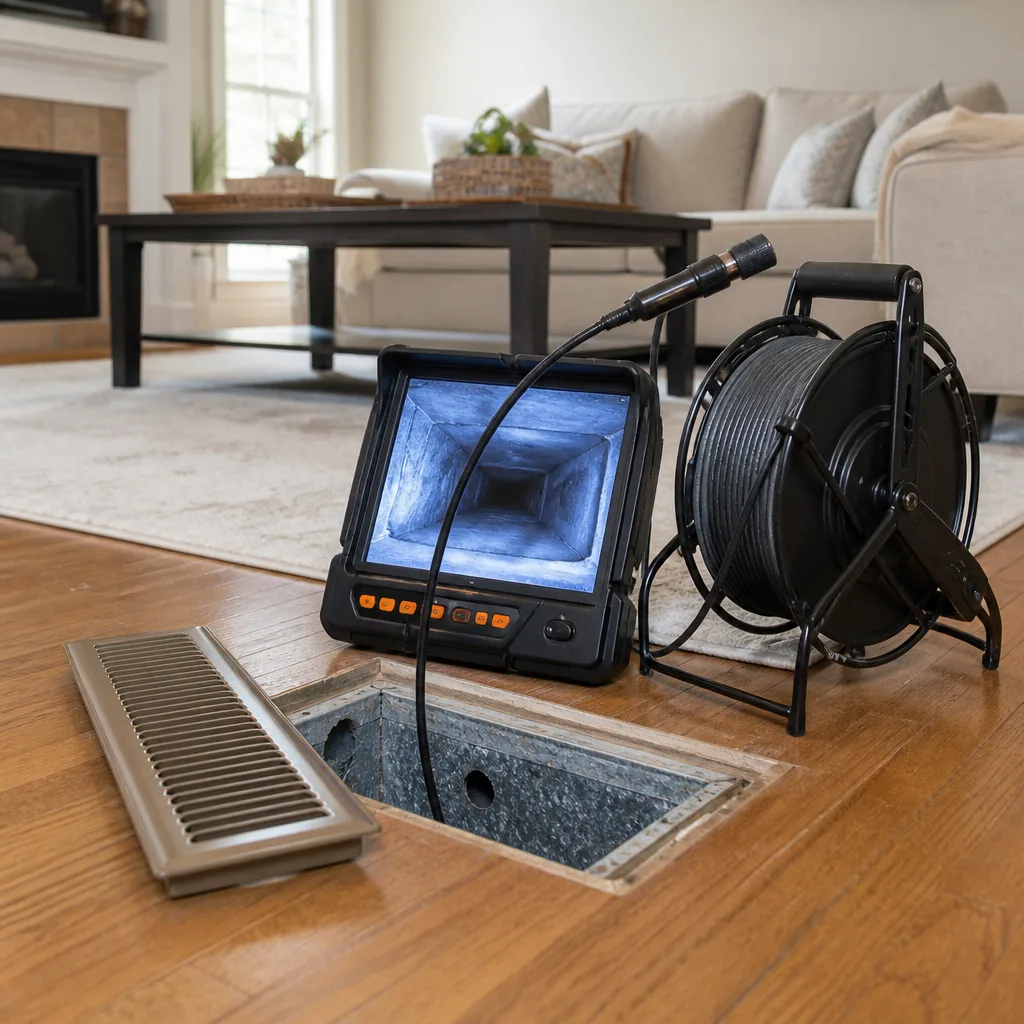 Camera inspection
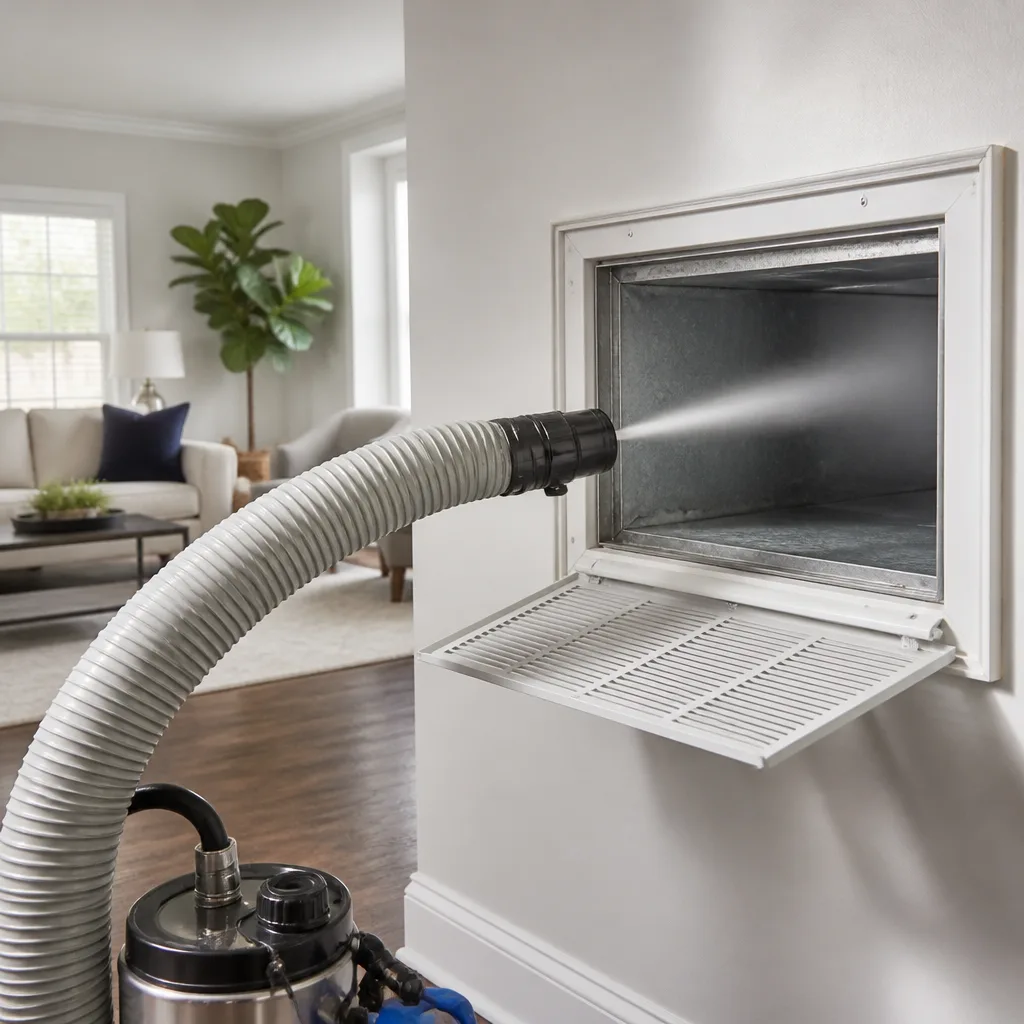 Sanitizing & deodorizing
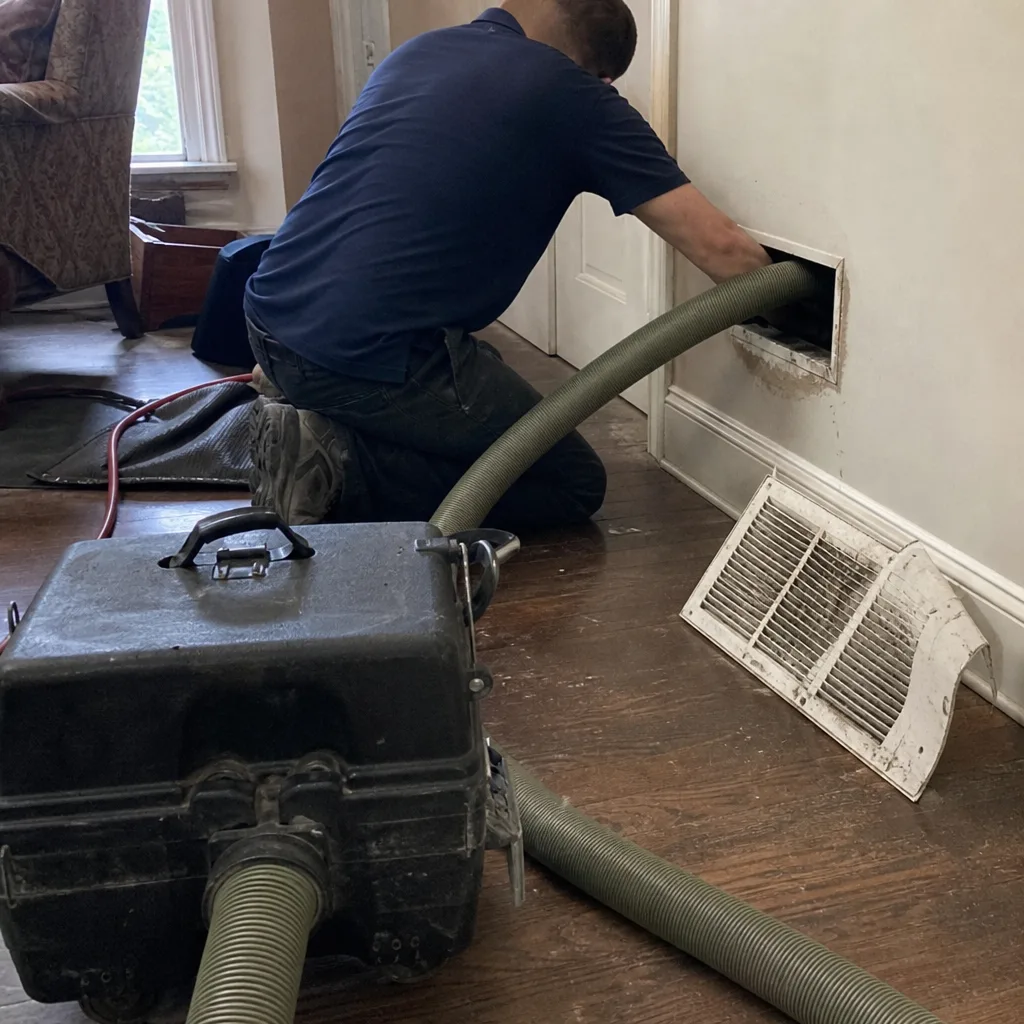
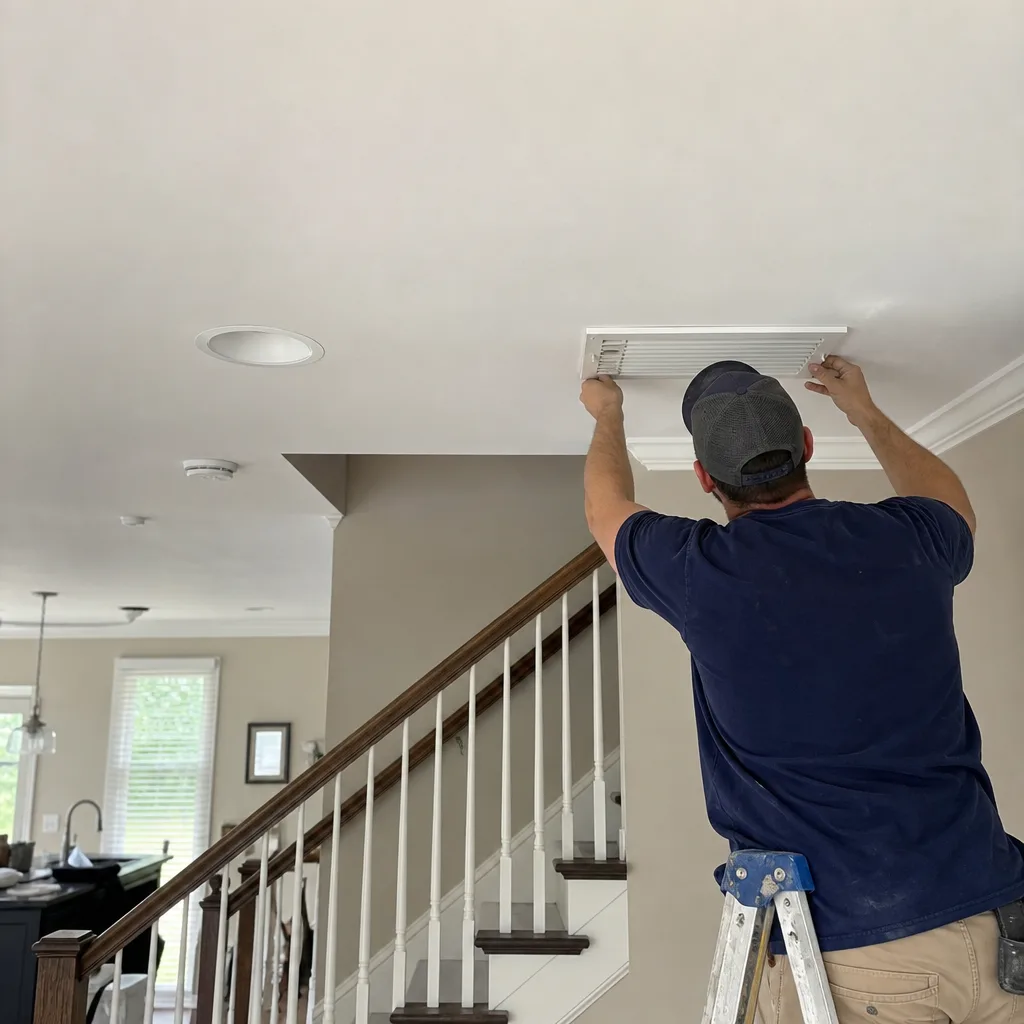
Whole-system duct and dryer vent check with before-and-after photos - you see exactly what came out of your vents
That "$99 whole-house special" is a bait ad - the real number appears once they are in your hallway, or the "clean" is a shop-vac at the register. We photograph the inside of your ducts before and after instead.
Seasonal Air Duct Cleaning Care for Atlanta: Year-Round Homeowner’s Guide
Atlanta runs its HVAC systems harder than almost any city in the Southeast. We flip from heat in January to air conditioning by March, and the system rarely gets more than a few weeks of rest in between. That near-continuous operation means your ductwork never gets the seasonal downtime that naturally slows dust and debris accumulation in more temperate climates. What most national guides miss is that Atlanta’s seasons don’t just change the temperature; they change what is actually inside your ducts. This guide explains what each season deposits into your ductwork, when cleaning actually matters most in Atlanta, and how to stay ahead of the contamination timeline instead of chasing it.
Styles & brands we work with
Quick Answer
The best seasonal air duct cleaning schedule for Atlanta homeowners is twice-yearly attention: a professional cleaning in late October after pollen season ends and before holiday dust settles in, plus a filter and inspection refresh in late February before spring pollen peaks. Atlanta’s year-round HVAC operation means ducts accumulate contaminants faster than in cities where systems shut down for months, so a single annual cleaning typically leaves you breathing last season’s debris for several months.
Table of Contents
- Why Atlanta’s Climate Demands a Different Duct Care Schedule
- Spring in Atlanta: Pollen Season and What It Does to Ductwork
- Summer in Atlanta: Humidity, Mold Spores, and Condensate Problems
- Fall in Atlanta: Leaf Mold, Rodent Season, and Pre-Holiday Dust
- Winter in Atlanta: Renovation Dust and Dry Heat Recirculation
- The Two Optimal Cleaning Windows for Atlanta Homes
- Adjusting Filter Changes by Season: A Practical Atlanta Schedule
- Shoulder Season Transitions and the 48-Hour Mold Risk Window
- A Seasonal Walk-Through: What to Check at Each Season Change
- Common Mistakes to Avoid
- When to Call a Professional
- Frequently Asked Questions
- The Bottom Line
Why Atlanta’s Climate Demands a Different Duct Care Schedule
Atlanta sits in a humid subtropical climate zone, which means two things that most national duct cleaning guides don’t account for: high moisture levels nearly year-round and an extended growing season that stretches pollen production from late February through October in some years. When you combine that with an HVAC system that runs ten or eleven months out of twelve, the result is a contamination cycle that moves about 30 to 40 percent faster than it does in drier, more seasonal cities.
Here’s what that looks like in practice. In a city like Denver or Phoenix, the HVAC system typically shuts down for weeks or months at a time, giving ducts a natural rest period where no new material is being pulled through them. In Atlanta, our systems rarely stop. The heat runs in January, the air conditioning kicks on by March, and the shoulder months of October, November, and April often see both systems cycling in the same week. That means the blower fan is actively pulling whatever is in your home’s air through the ductwork essentially year-round.
We’ve seen this pattern in homes across Atlanta, from Buckhead bungalows to new construction in Smyrna and Marietta. The homes that follow a generic “clean once a year at some random point” schedule always end up with visible accumulation when we open the registers. The homeowners who schedule around Atlanta’s actual seasonal rhythm tend to have ducts that stay consistently cleaner with less effort.
Another Atlanta-specific factor is construction density. We are a growing metro area, and that means fine particulate from road work, teardown-and-rebuild projects, and commercial construction makes its way indoors far more than in stable or declining metros. That dust is extremely fine, which means it penetrates filters more easily and settles into ductwork faster. For a deeper look at how this affects your home specifically, see our guide to Air Duct Cleaning in Atlanta.
Spring in Atlanta: Pollen Season and What It Does to Ductwork
Spring in Atlanta is not a gentle season. The city routinely lands in the top ten worst pollen cities in the United States, with oak, pine, birch, and sweetgum pollen counts that turn cars yellow and coat every outdoor surface for six to eight weeks. What most homeowners don’t realize is how much of that pollen ends up inside the ductwork, even in homes that keep windows closed.
Pollen grains are surprisingly large compared to other indoor pollutants, typically ranging from 10 to 100 microns. That size matters for two reasons. First, standard fiberglass filters (the cheap blue ones many homeowners buy) do almost nothing to stop pollen. Second, once pollen gets into the duct system, it doesn’t just blow back out; it settles on damp surfaces inside the ducts and clumps together, especially in the humid conditions that Atlanta springs create. Those clumps become a sticky surface that traps even more dust, dander, and debris as the season progresses.
What we see in Atlanta homes during spring inspections is a distinct pattern: pollen accumulation is worst near the return registers, where air enters the system, and in the first few feet of the main return trunk. Homes in heavily tree-lined neighborhoods like Decatur, Druid Hills, and parts of Roswell and Alpharetta tend to show markedly higher pollen accumulation than homes in newer subdivisions with fewer mature trees.
Spring is also when many Atlanta homeowners first notice allergy symptoms that worsen indoors, which is a classic sign that pollen is being recirculated through the ductwork rather than trapped at the filter. Switching to a higher-MERV filter during pollen peak, which we discuss in the filter schedule section below, helps, but it doesn’t remove pollen that has already settled inside the ducts from years past. Only a physical cleaning with negative-pressure extraction removes settled pollen from the system.
If you’re noticing dust blowing from your registers when the system kicks on, that’s often settled pollen and fine debris being kicked back into the air, not fresh infiltration. For homes with significant spring allergy reactions, combining professional cleaning with an upgraded filtration approach typically produces the most noticeable relief. Our air duct cleaning service addresses exactly this, and we recommend homeowners in high-pollen neighborhoods of Atlanta schedule their cleaning to conclude just before the worst of the spring peak begins.
Summer in Atlanta: Humidity, Mold Spores, and Condensate Problems
Atlanta summers are defined by 90-degree days and 70-percent humidity, and that combination creates the single biggest hidden problem inside residential ductwork: condensation. When warm, humid air meets the cool surfaces of air conditioning ducts, moisture forms, especially in uninsulated or poorly insulated duct runs in attics, crawl spaces, and basements.
That moisture is the ingredient that turns settled dust into a mold-friendly environment. Mold spores are present in outdoor air year-round, but they spike in Atlanta during the hot, humid summer months. When spores enter the duct system and land on a damp, dusty surface, they can begin to colonize within 48 to 72 hours. The visible result may not appear for weeks or months, but the musty odor that Atlanta homeowners often report when the AC first kicks on in May or June is frequently the first indicator that microbial growth is already underway.
The AC coil itself is another source of summer moisture. As the coil cools air, it condenses water out of the air, which is normal. But if the drain pan is slow to drain, if the coil is dirty, or if the system is oversized for the home (a common issue in older Atlanta homes that have been through multiple renovations), excess moisture gets pulled into the ductwork downstream. That’s where we see the worst summer mold issues in Atlanta: in duct runs that stay damp for weeks at a time because the coil never fully dries out between cycles.
Summer is also when Atlanta’s humidity makes the air inside the home feel heavy and stale, which leads homeowners to run the AC continuously for days at a time. Continuous operation means continuous air movement through the ducts, which means any dust, pollen residue from spring, pet dander, or other particulate that hasn’t been cleaned out is being circulated through the living space over and over. Homes with pets, especially in the summer when shedding peaks, see noticeable increases in visible dust on registers and return grilles.
The practical takeaway is this: if you’re going to have your ducts cleaned once a year, summer is not the ideal time here because the humidity makes any remaining moisture issues harder to fully resolve and because settled spring pollen has already had weeks to clump and adhere to duct surfaces. But if you’re noticing a persistent musty smell when the AC runs, don’t wait for a seasonal window. That’s a sign that needs attention regardless of the calendar.
Fall in Atlanta: Leaf Mold, Rodent Season, and Pre-Holiday Dust
Autumn in Atlanta brings two things into ductwork that most seasonal guides overlook entirely: leaf mold and rodent activity. Both are direct consequences of the city’s tree cover, which is among the highest of any major metro in the country.
When leaves fall and begin to decompose, they release mold spores into the air. Atlanta’s fall leaf drop typically peaks in November, and the mold spore counts during that period can rival spring pollen counts in intensity. Homes with mature oak, maple, and sweetgum trees nearby, which is most of intown Atlanta, see elevated spore levels around their foundations and exterior walls. Those spores enter the home through open doors, on shoes and clothing, and through the fresh air intake that many HVAC systems use. Once inside, they follow the same path as pollen: through the return, into the ductwork, and onto whatever dust is already settled there.
Fall is also when rodents, particularly roof rats and house mice, begin looking for warm spaces to nest. In Atlanta, that means attics, crawl spaces, and the areas around ductwork. Rodents chew through flexible duct connections, burrow into insulation around duct runs, and leave droppings and urine inside or near duct systems. The result is a contamination problem that goes well beyond dust: rodent waste inside or adjacent to ductwork is a genuine health concern, and cleaning it up properly requires professional equipment and protocols.
Late fall also brings what we call the pre-holiday dust window. Atlanta homeowners begin hosting family gatherings, cooking more heavily, and often doing last-minute home projects before guests arrive. That spike in indoor activity generates more airborne particulate, and the system is running in heating mode now, which means drier air and more static electricity, which makes fine dust cling to duct surfaces more aggressively. If the ducts haven’t been cleaned since the previous winter, they’re now carrying two full seasons of accumulated material into the holiday season.
For all these reasons, late October through early November is one of the two optimal windows for professional cleaning in Atlanta. It’s after the worst of the leaf mold spike but before the holiday dust settles in. For homes with documented rodent activity, pairing duct cleaning with pest remediation and Air Duct Repair in Atlanta to seal any chewed openings is the right approach.
Winter in Atlanta: Renovation Dust and Dry Heat Recirculation
Winter in Atlanta is short and relatively mild compared to northern cities, but it has its own distinct ductwork signature: renovation dust and dry heat recirculation. Neither gets much attention in general-market guides, but both matter for Atlanta homeowners.
Atlanta’s housing stock is old, with many intown homes built in the 1920s through 1960s. That means renovation activity happens year-round, but it peaks in the cooler months when contractors are more comfortable working in unconditioned attics and crawl spaces. Drywall dust, sanding particulate, and demolition debris are all extremely fine, and they don’t just settle on furniture; they get pulled into the return vents and deposited throughout the duct system. If you’ve had any renovation work done, even in a single room, the dust from that project is now inside your ductwork, and it will keep recirculating until it’s physically removed. A standard vacuum and filter change won’t get it out.
Winter heating mode also changes the physics inside the ducts. Heated air is dry air, and dry air means more static electricity. Fine dust particles become electrically charged and cling to duct walls, registers, and grilles more readily than they do during humid months. That’s why Atlanta homeowners often notice visible dust buildup on register covers in January and February even if the house was cleaned a few weeks earlier. The dust isn’t appearing from nowhere; it’s being pulled through the system and deposited at the exit points, and the dry winter air is making it stick.
Another winter-specific issue in Atlanta is the mixed-use HVAC pattern. Many homes still run the AC on warm winter days, especially in February when temperatures can spike into the 60s or 70s. That heat-to-cool-to-heat cycling causes the ducts to expand and contract, which can loosen settled debris and knock it back into the airstream. The result is a home that feels dusty and triggers allergy symptoms even in the middle of winter, when outdoor pollen counts are low.
Our experience across Atlanta homes suggests that late February is the second optimal window for duct care. By then, winter renovation dust has settled, the dry heat has done its clinging work, and the system is about to shift into cooling mode just as spring pollen begins to ramp up. Addressing the ductwork in late February means starting pollen season with a clean system rather than layering spring pollen on top of winter construction dust.
The Two Optimal Cleaning Windows for Atlanta Homes
Most national guides tell homeowners to clean their ducts “every 3 to 5 years” or “annually” without reference to where they live. That’s not useful advice for Atlanta, because the timing matters as much as the frequency. Based on what we see in homes across the metro area, there are two windows in the year when professional cleaning delivers the most benefit for the longest period afterward.
Window One: Late October to Mid-November. This window sits after the fall leaf mold peak has begun to taper off and before the holiday season introduces its own dust load. Cleaning in late October or early November means:
- Removing the combined accumulation of spring pollen and summer humidity-clumped debris from the previous six months.
- Starting the holiday hosting season with clean ducts, which matters for indoor air quality when the house is full of guests.
- Addressing any rodent intrusion from early fall before the problem expands into winter nesting.
- Preparing the system for winter heating mode, which will otherwise recirculate six months of accumulated particulate through dry, statically charged air.
Window Two: Late February to Early March. This window sits after winter renovation activity has settled and before Atlanta’s spring pollen reach their peak levels in mid-to-late March. Cleaning in late February or early March means:
- Removing drywall dust, renovation particulate, and any holiday-season debris before it gets layered with spring pollen.
- Starting cooling season with clean ducts, which matters because summer humidity amplifies any mold risk from existing dust buildup.
- Giving allergy sufferers the cleanest possible air during the worst pollen months of the year.
- Addressing any winter condensation issues from mixed heating-cooling cycles before warm weather makes them worse.
For most Atlanta homeowners, one professional cleaning per year in one of these two windows is sufficient. Homes with pets, allergy sufferers, or recent renovation should consider both windows, with the late February cleaning being the priority if you can only choose one. Homes that have never had their ducts cleaned or haven’t had them addressed in five-plus years should start with a comprehensive cleaning and then settle into this seasonal rhythm going forward. For more on what a proper cleaning involves and what to expect, see our Atlanta air duct cleaning guide.
Adjusting Filter Changes by Season: A Practical Atlanta Schedule
The standard advice to change your HVAC filter “every 90 days” is a starting point, not a rule, and in Atlanta it’s often wrong. Here’s a season-by-season filter schedule that reflects what’s actually in Atlanta’s air at each point in the year.
February through April (Pollen Peak): Use MERV 11 or MERV 13 filters, change every 30 days. This is when Atlanta’s pollen counts hit their annual maximum, and a MERV 11 or higher filter is your first line of defense. The tradeoff is airflow resistance: higher-MERV filters are denser and can restrict airflow, which makes your system work harder. For most modern systems built after 2000, this is fine. For older systems, particularly those with original blower motors, a MERV 8 filter changed every 30 days may be a safer balance. During this peak, change the filter monthly regardless of the MERV rating; the visual buildup will confirm it’s necessary. Air-quality products from brands like Aprilaire and Honeywell offer whole-home filtration upgrades if you want better performance without constant filter changes.
May through September (Humidity Season): Use MERV 8 to MERV 11, change every 45 to 60 days. Once pollen peaks pass, the primary concern shifts to mold spores and regular household dust. A MERV 8 filter captures the majority of airborne mold spores and dust effectively. If you have pets shedding heavily in summer, a MERV 11 gives a bit more capture. Change every 45 to 60 days; the humidity doesn’t clog the filter itself, but continuous AC operation pulls more air through the filter, which loads it up faster than the calendar suggests.
October and November (Leaf Mold Season): Use MERV 11, change every 30 to 45 days. Outdoor mold spore counts spike when leaves decompose, and a MERV 11 filter does a noticeably better job than MERV 8 at capturing spores before they enter the ductwork. If you have mature trees near the house, lean toward the 30-day change interval during this window.
December through January (Heating Season): Use MERV 8, change every 45 to 60 days. Winter air in Atlanta is relatively clean by comparison, and the main challenge is recirculated indoor dust and renovation particulate. A MERV 8 filter handles this well while giving the blower less resistance during heating cycles. If you’ve had renovation work done in the home, change the filter every 30 days for the two months following the project, regardless of season; construction dust will clog even a fresh filter remarkably fast.
One final Atlanta-specific note: if your home has a media cabinet or whole-home filtration system, the same seasonal logic applies, but the change intervals extend roughly 50 percent. Always check the filter visually at least once a month during pollen peak, regardless of what any schedule says.
Shoulder Season Transitions and the 48-Hour Mold Risk Window
Atlanta’s shoulder seasons, October-November and February-March, are the times when HVAC systems switch between heating and cooling mode, sometimes multiple times in a single week. These transitions create a specific condition inside the ductwork that almost no generic guide addresses: the 48-hour condensate window.
Here’s the sequence. The system runs in cooling mode for a day or two during a warm stretch. The coil gets cold, condensation forms, and the interior surfaces of the ductwork near the coil become damp. Then the temperature drops, the system switches to heating mode, and the damp surfaces never fully dry before they’re sealed inside a warm, dark, dust-lined environment, which is exactly the condition mold needs to begin colonizing. This isn’t a theoretical concern; the NAIMA guidelines for duct cleaning note that wet internal insulation and accumulated dust in humid climates create the conditions where mold growth becomes likely within days, not weeks.
The 48-hour window matters because once mold begins growing inside a duct system, it doesn’t just stop when the coil dries out. The colony goes dormant and resumes growth the next time moisture is present. Repeated shoulder-season cycles in Atlanta, which can happen a dozen times in a single fall or spring, mean that mold has multiple opportunities each year to gain a foothold in any duct system that’s carrying a significant dust load.
The practical implications for Atlanta homeowners are twofold. First, during shoulder-season weeks when you’re switching between heat and AC, taking a quick look at the area around the indoor unit for visible moisture or a musty smell is worth doing. Second, if the ducts haven’t been cleaned in several years, the dust load inside the system is what feeds the mold risk in the first place. A clean system has vastly less fuel for any moisture-triggered growth, which is one of the strongest arguments for making sure your ducts are addressed before the worst of the shoulder-season cycling begins. The late February window aligns exactly with this logic: clean the system before spring shoulder-season starts cycling heat and cool through it.
If you’re already seeing visible mold around registers or on interior duct surfaces visible from the register opening, that’s not a filter-change situation. That requires professional cleaning and assessment of the duct insulation; in some cases, sections of contaminated ductwork need repair or replacement rather than just cleaning. Our Atlanta air duct repair service handles both the assessment and the remediation, and every repair we do includes a written guarantee.
A Seasonal Walk-Through: What to Check at Each Season Change
Here’s a practical checklist Atlanta homeowners can use at each season change to catch early warning signs before they require professional intervention. None of these steps require special tools or technical knowledge; they’re simple observations that take about ten minutes.
Spring (March):
- Remove one or two floor registers in the main living area and wipe the inside surface of the register boot with a white cloth. If the cloth comes back dark or yellowish, you’re seeing accumulated pollen and dust being recirculated.
- Check the filter. If it’s caked with yellow-green material, that’s pollen, and it means your filter has been doing heavy lifting. Replace it and note the date.
- Smell the air coming from the registers when the system first kicks on. A dusty or stale smell that fades after a few minutes indicates settled material in the ducts being disturbed on startup.
Summer (June):
- Check for visible moisture or water staining around the indoor unit, especially at the coil cabinet and the first few feet of the supply plenum. Any persistent dampness here is a mold risk.
- Run the AC for ten minutes, then feel the air at a register. It should be cold but not clammy. If the air feels humid even when it’s cold, the system is not dehumidifying correctly, which often signals a problem at the coil that’s pushing moisture into the ductwork.
- Listen for any hissing or whistling sounds at the registers, which can indicate duct leaks that are pulling humid attic air into the system.
Fall (October):
- Check the area around the air handler and any accessible duct runs in the attic or crawl space for signs of rodent activity: droppings, chewed insulation, or nesting material. This is the time of year when Atlanta rodents move indoors.
- Inspect visible flexible duct connections for sagging or separation. Gaps at connections pull unfiltered attic air into the system.
- Remove a return grille and check behind it. If you can see visible dust accumulation on the duct surfaces behind the return, the system is due for cleaning.
Winter (December or January):
- Check register covers throughout the house. If you notice dusty buildup on the register vanes themselves after a few weeks of heating, the system is recirculating fine dust that’s settled in the ducts.
- If you had any renovation or repair work done in the fall, shine a flashlight down a register near the work area and look for fine white or gray powder inside the duct. That’s drywall or sanding dust, and it needs physical removal.
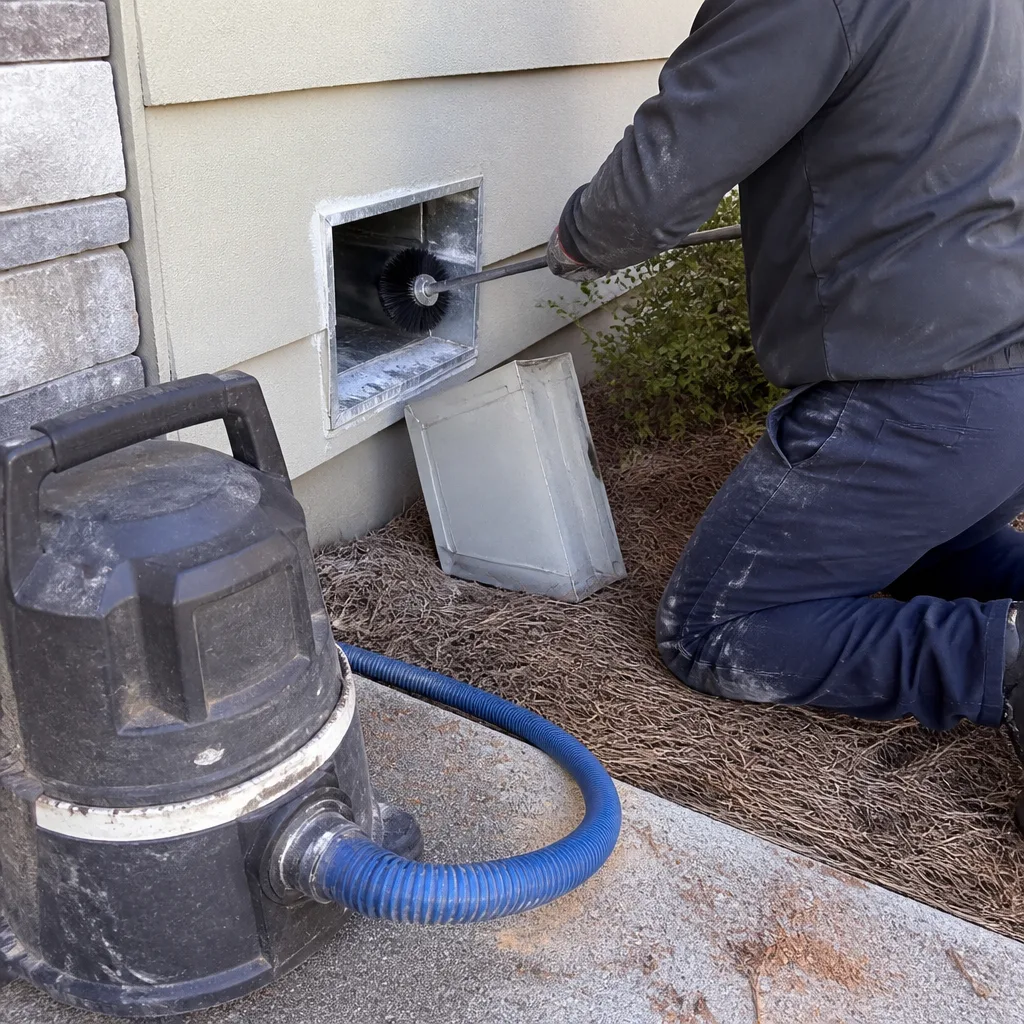
- Check the dryer vent while you’re at it. Winter is when Atlanta homes run dryers more heavily, and a clogged dryer vent is both a fire hazard and a source of fine lint that gets pulled into the home’s air. Our dryer vent cleaning in Atlanta covers this, and it’s one of the most straightforward ways to reduce indoor particulate load during the heating season.
Common Mistakes to Avoid
- Cleaning on an arbitrary annual date instead of around Atlanta’s seasonal rhythm. A July cleaning means you’ve already spent three months recirculating spring pollen, and the humidity will make any remaining moisture issues harder to resolve. Late October and late February are the windows that actually match what’s happening in Atlanta’s air.
- Using the cheapest fiberglass filter year-round to “save money.” Those filters stop almost nothing, which means everything they let through ends up in your ducts. The pennies saved on filters become dollars spent on cleaning, and the air quality in the home suffers in the meantime.
- Assuming a musty smell means the ducts need cleaning without checking for a moisture source first. If the coil is draining improperly or there’s a duct leak pulling in humid attic air, cleaning the ducts will help temporarily, but the problem will return within months. The moisture source has to be identified and fixed, not just cleaned around.
- Ignoring the dryer vent while focusing on the main duct system. In Atlanta homes, the dryer vent is often a significant source of indoor particulate, especially in winter. A dryer that takes longer than 40 minutes to dry a load is venting poorly, and that lint is going somewhere.
- Waiting until allergy symptoms appear to act on duct cleaning. By the time indoor allergies spike in an Atlanta home, the duct system has usually been accumulating the trigger material for months. The goal of seasonal scheduling is to stay ahead of the problem, not react to it.
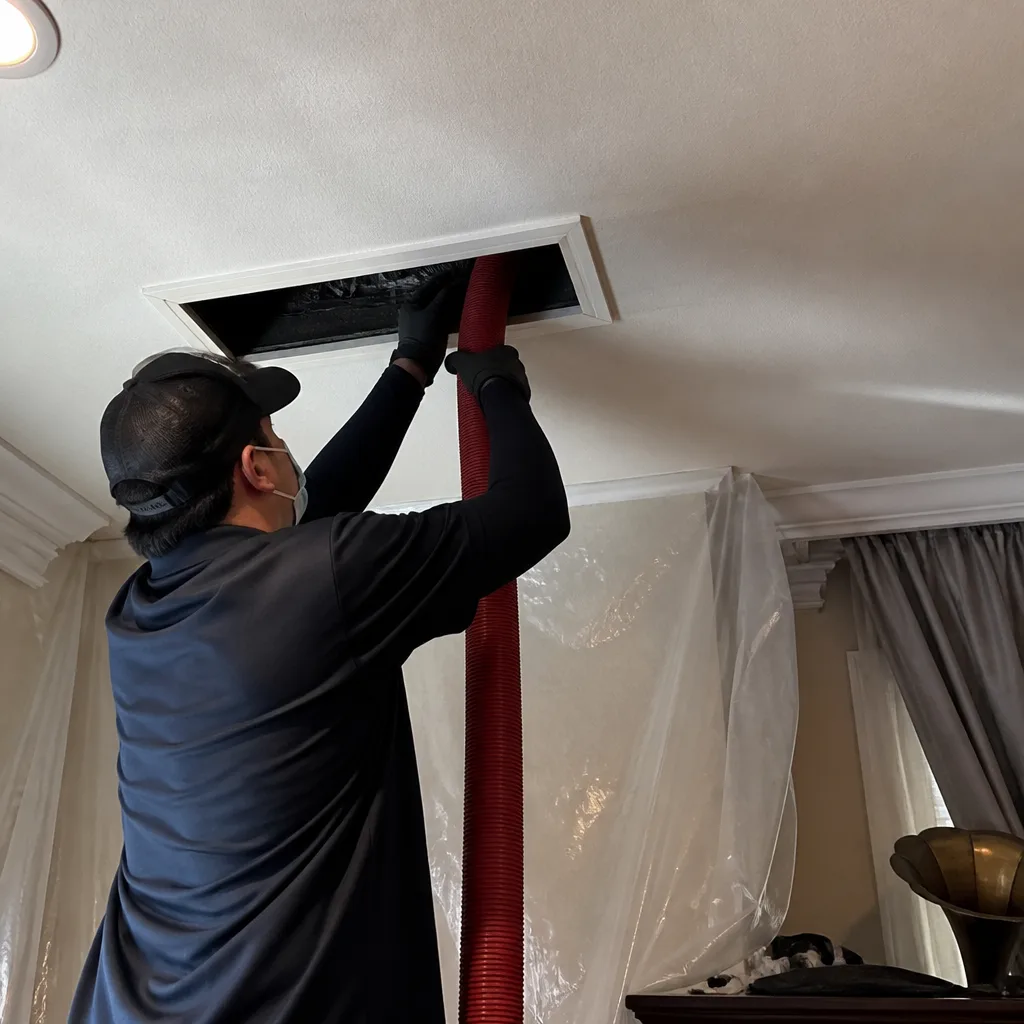
- Doing a partial “DIY” cleaning by vacuuming what you can reach through the registers. A household vacuum cannot reach more than a few inches into the register boot, and it certainly can’t remove material from the main trunk and return runs where the bulk of accumulation sits. Worse, a household vacuum without proper filtration can kick fine dust into the air. Professional cleaning uses negative-pressure extraction equipment from brands like Nikro or Rotobrush that contains the debris and removes it from the home entirely.
- Assuming new construction means clean ducts. New and recently renovated Atlanta homes often have construction debris inside the ductwork from the build process itself: drywall dust, sawdust, and even larger debris like scraps and fasteners. If the builders didn’t seal the registers during construction, which is common, the ducts need cleaning before you trust the air you’re breathing.
When to Call a Professional
Some signs are worth investigating on your own, but there are specific situations where professional cleaning is the right call, not a do-it-yourself project. If you see visible mold growth on or inside the ducts, on the register covers, or around the coil, that requires professional assessment and cleaning with appropriate equipment and containment. If you have evidence of rodent or pest activity inside the ductwork, whether that’s droppings, nesting material, or chewed openings, professional cleaning and duct repair are both warranted. If anyone in the home has persistent allergy or respiratory symptoms that worsen when the system runs, a professional assessment can identify whether the ductwork is the source. If recent renovation work has left visible dust accumulation in the ducts, a thorough cleaning is the only way to remove it. And if your home has never had its ducts cleaned, or you don’t know when it was last done, an inspection is the right starting point. If you’re in the Atlanta area and want to know what’s actually inside your ducts, Linden Air Duct Atlanta offers free estimates, including a camera inspection of the duct system, and you can reach us at (912) 493-7110.
Frequently Asked Questions
Air duct cleaning in Atlanta typically costs between $350 and $650 for a full home system, depending on the size of the home, the number of vents, and the level of contamination present.
Homes under 2,000 square feet usually fall on the lower end of that range, while larger homes or those with significant accumulation, pet dander, or recent renovation dust fall on the higher end. Some Atlanta homes with extensive contamination or duct systems that haven’t been cleaned in a decade or more may exceed that range. Linden Air Duct Atlanta puts every price in writing before any work begins, so you know the total cost before anyone touches your system. Call (912) 493-7110 for an exact quote based on your home.
Some air duct cleaning quotes in Atlanta are cheaper because they cover less work, use lower-grade equipment, or are bait prices intended to get a technician in the door before the real invoice appears.
The common pattern we see in Atlanta is a low advertised price, often in the $79 to $99 range, that covers only a few vents or a partial system cleaning. Once the technician arrives, the homeowner learns that the advertised price doesn’t apply to their home, that additional vents cost extra, or that the job requires “add-ons” not included in the original quote. By the time the work is done, the final invoice often exceeds what a reputable company would have quoted upfront. Linden Air Duct Atlanta gives you one flat price per system, in writing, before any work begins. There are no per-vent charges and no surprise invoices at the end. Call (912) 493-7110 for a free estimate.
You know the work was done when you can see before-and-after photos of your own ductwork, which any reputable company should provide as standard practice.
Professional air duct cleaning companies in Atlanta typically use camera inspection equipment to show homeowners the condition of the ducts before cleaning and again after the work is complete. Before-and-after photos of your own ducts are the most direct proof that the work was actually performed. If a company won’t show you photos or won’t let you see the equipment they’re using, that’s a red flag. Linden Air Duct Atlanta provides before-and-after documentation on every job, so you can see exactly what was removed and confirm the system is clean before you pay. Call (912) 493-7110 to schedule a free estimate with camera inspection.
In Atlanta, air ducts should be professionally cleaned once every 1 to 2 years, timed to late October or mid-February when seasonal contamination cycles are at their lowest points.
The exact interval depends on your home. Homes with pets, allergy sufferers, recent renovation work, or smokers benefit from annual cleaning. Homes with no pets, no allergies, minimal carpet, and newer construction may go 2 to 3 years between cleanings. The key is timing: an annual cleaning at the wrong time of year still leaves you breathing accumulated debris for months. Schedule around Atlanta’s seasonal rhythm rather than picking a random date on the calendar. For more detail on what’s involved, see our guide to air duct cleaning in Atlanta.
No, a household vacuum cannot clean air ducts, because it lacks the reach, power, and filtration needed to remove material from the main trunk and return runs where accumulation actually occurs.
A household vacuum can reach a few inches into a register boot at best. The main trunk lines, return drops, and plenum, where most of the dust, pollen, and debris settle, are completely inaccessible without professional equipment. Worse, a standard household vacuum without HEPA filtration can exhaust fine dust back into the air, making the problem worse. Professional cleaning uses negative-pressure extraction equipment from trade-trusted brands like Nikro and Rotobrush that creates suction at the trunk level and removes debris from the home entirely. Call (912) 493-7110 for a professional assessment and free estimate.
Cleaning air ducts can reduce indoor allergy symptoms in Atlanta homes by removing accumulated pollen, mold spores, dust mites, and pet dander that would otherwise be recirculated through the living space.
Atlanta’s extended pollen season and high humidity mean airborne allergens are present for much of the year. When those allergens settle into the ductwork, they become a persistent indoor source that doesn’t go away when outdoor counts drop. Removing that accumulated material through professional cleaning, combined with a seasonal filtration upgrade during pollen peak, is the most practical approach for Atlanta allergy sufferers we can recommend. That’s why our Linden Air Duct Atlanta home services are built around the city’s actual allergen calendar, not a generic once-a-year reminder.
The Bottom Line
Atlanta’s climate and housing stock make duct care a seasonal discipline, not an annual checkbox. Pollen in spring, humidity and mold spores in summer, leaf mold and rodent pressure in fall, and renovation dust in winter each leave a distinct mark on your ductwork, and each requires attention at the right time to stay ahead of the buildup. The two optimal cleaning windows, late October and late February, align with the natural lulls in Atlanta’s contamination cycle, giving you the longest period of clean air from each professional visit. Household filters should shift with the seasons, not stay on a fixed 90-day interval. And the shoulder-season transitions, when heat and cool cycle within days of each other, are when the mold risk is highest and worth watching most closely. If you want to know what’s actually inside your ducts, or if you’re ready to align your cleaning schedule with Atlanta’s real seasonal rhythm, call Linden Air Duct Atlanta at (912) 493-7110 for a free estimate and camera inspection.
Written by Marcus Veale, Owner at Linden Air Duct Atlanta, serving Atlanta since 2004.
See the difference
 Before
 After
After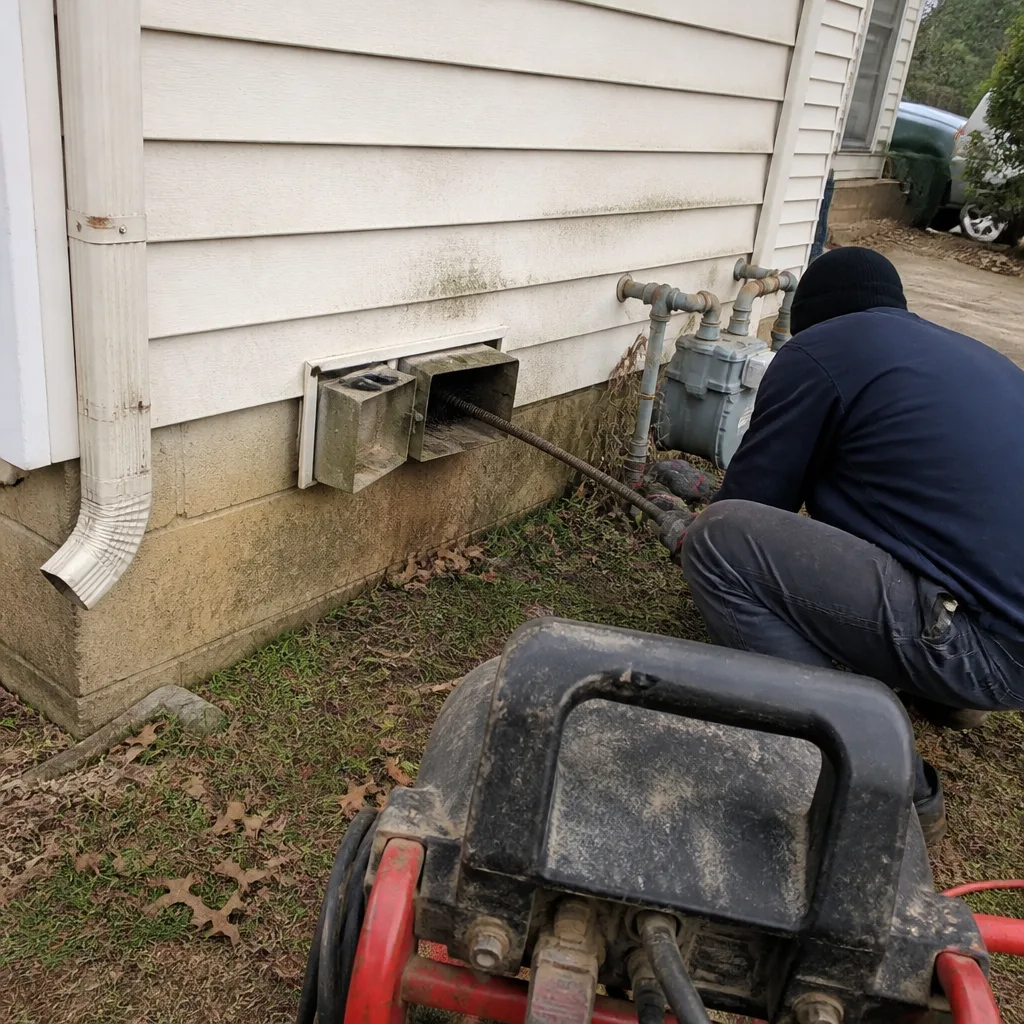 Before
 After
After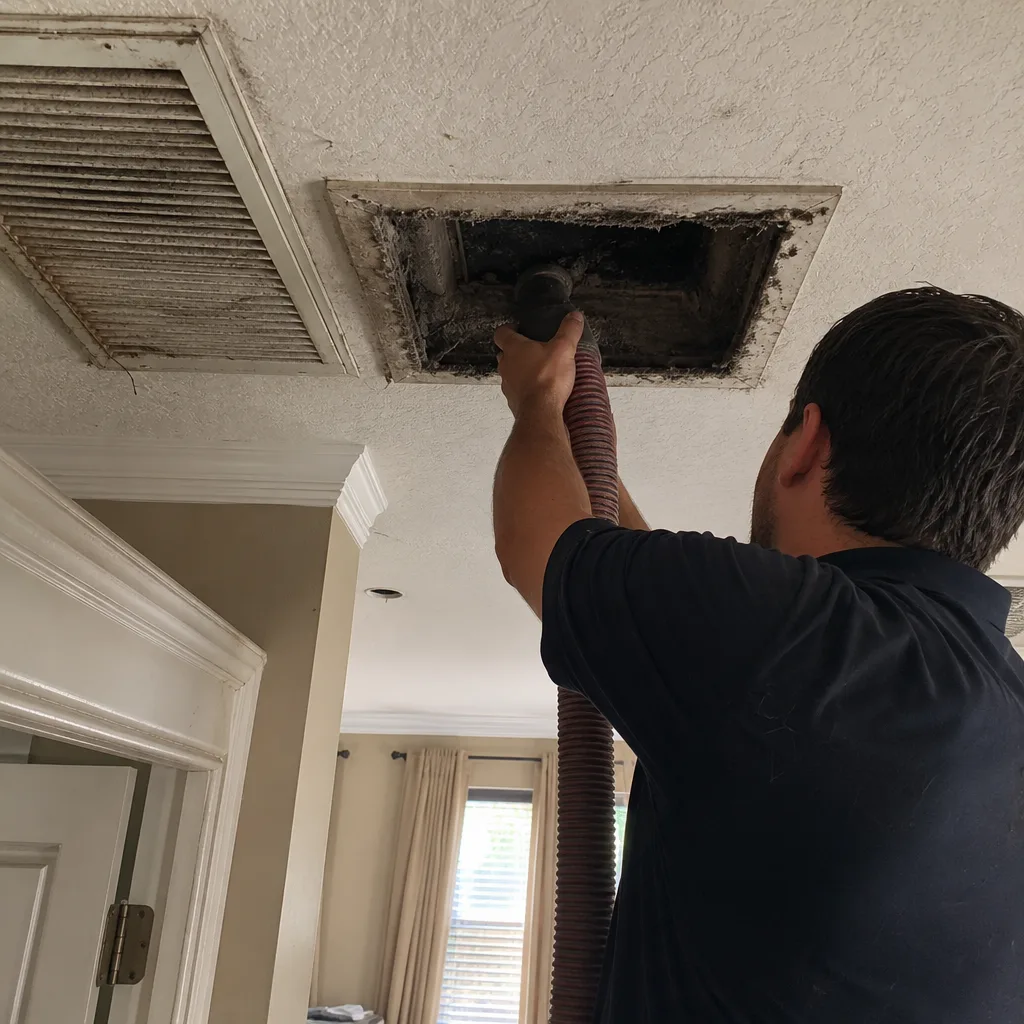 Before
 After
After