

Last updated October 17, 2026
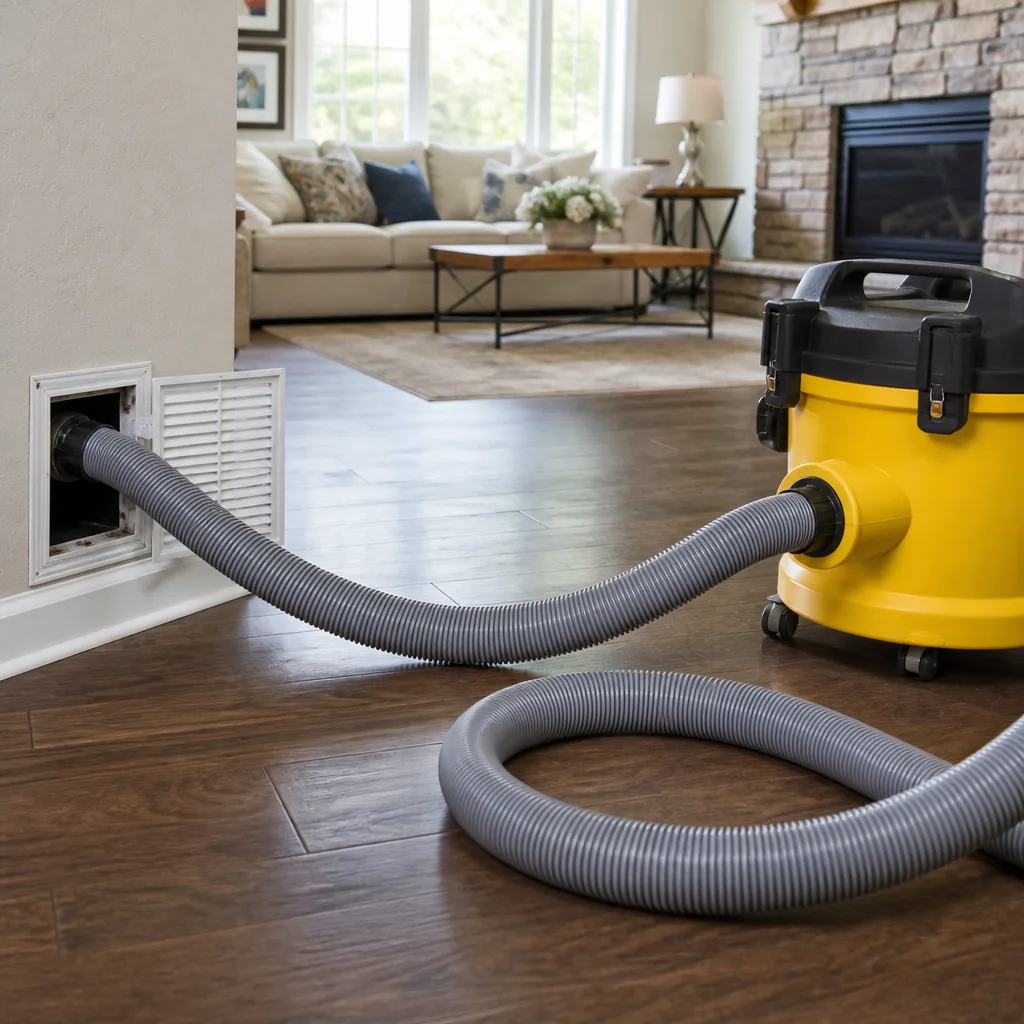 Whole-home duct cleaning
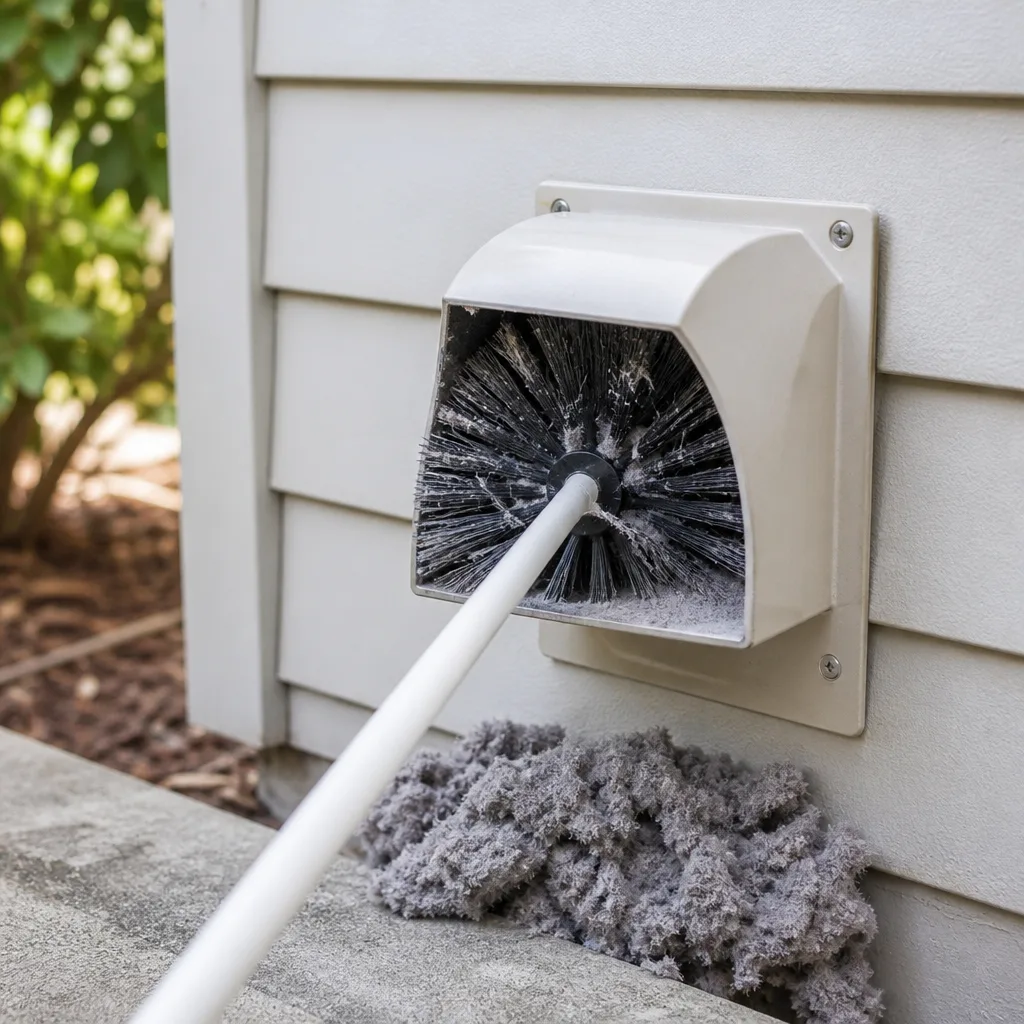 Dryer vent cleaning
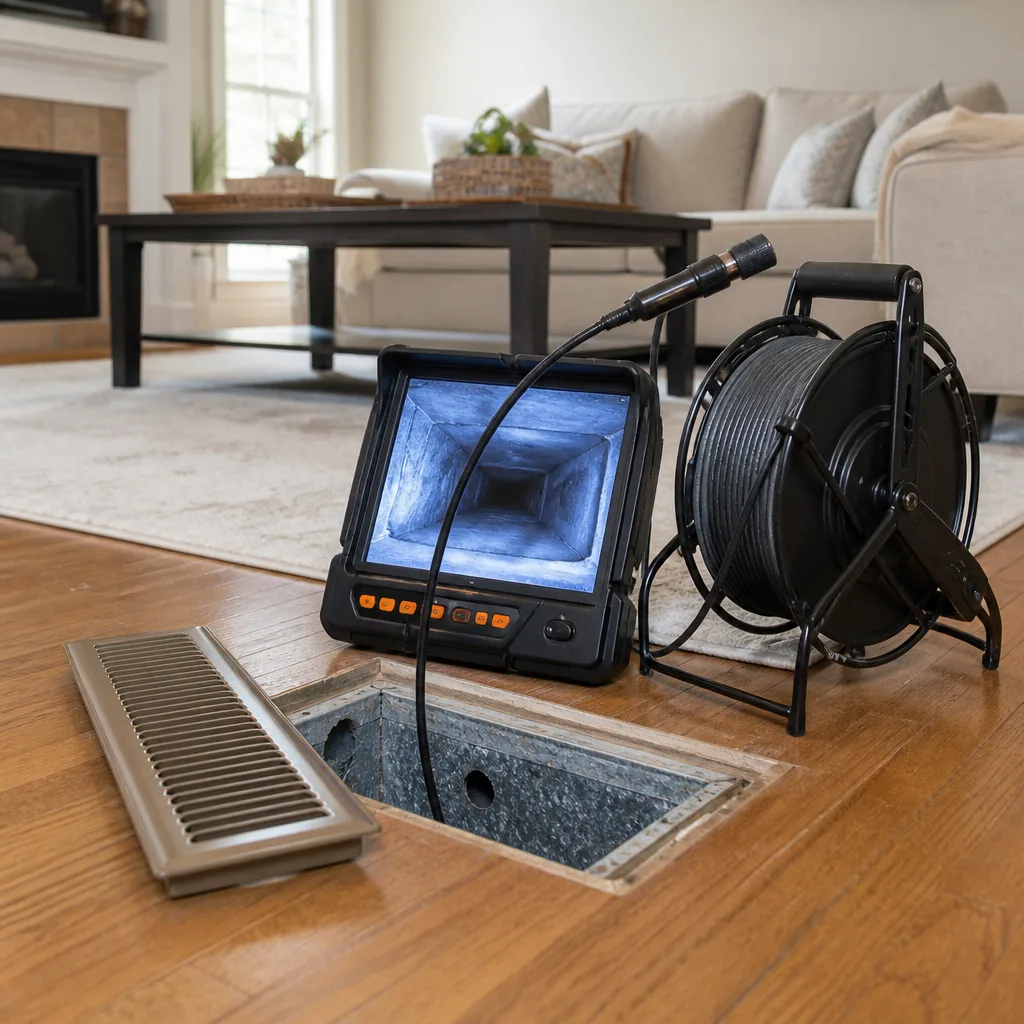 Camera inspection
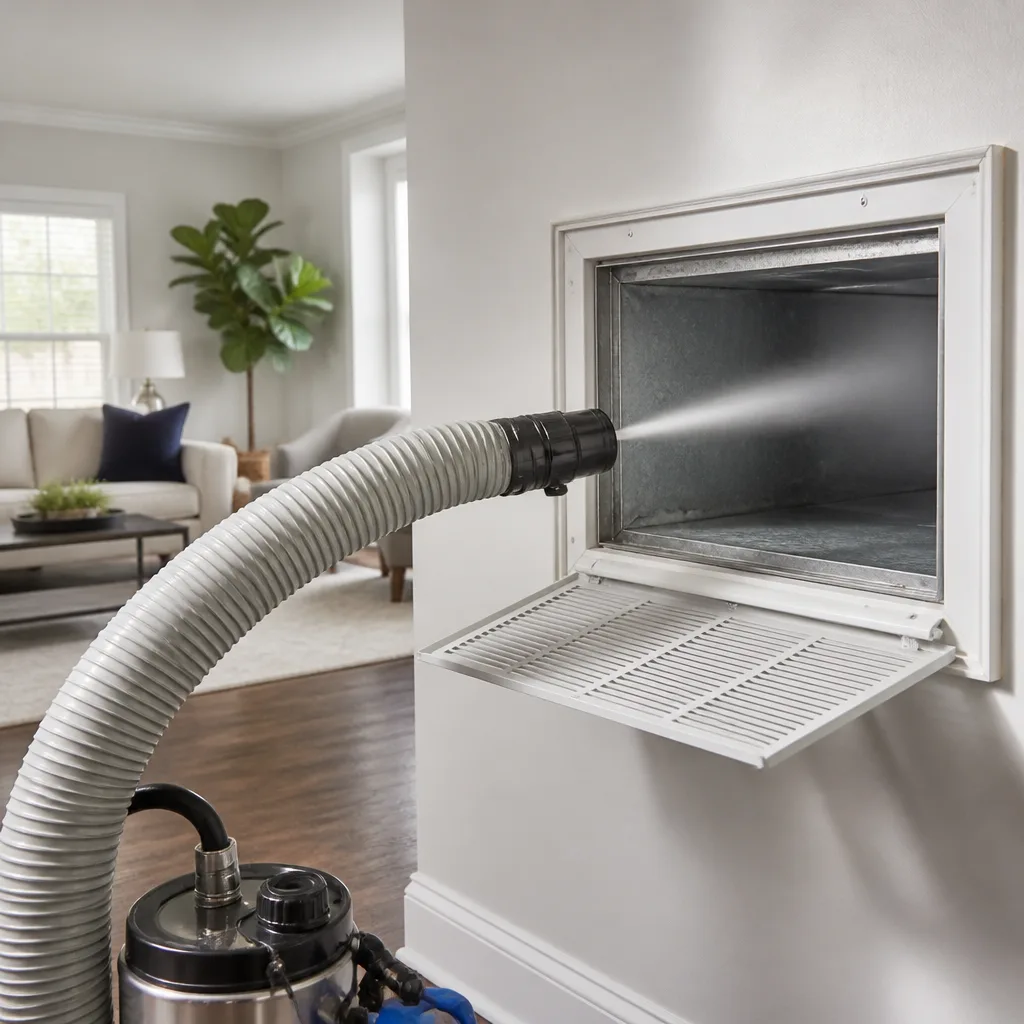 Sanitizing & deodorizing
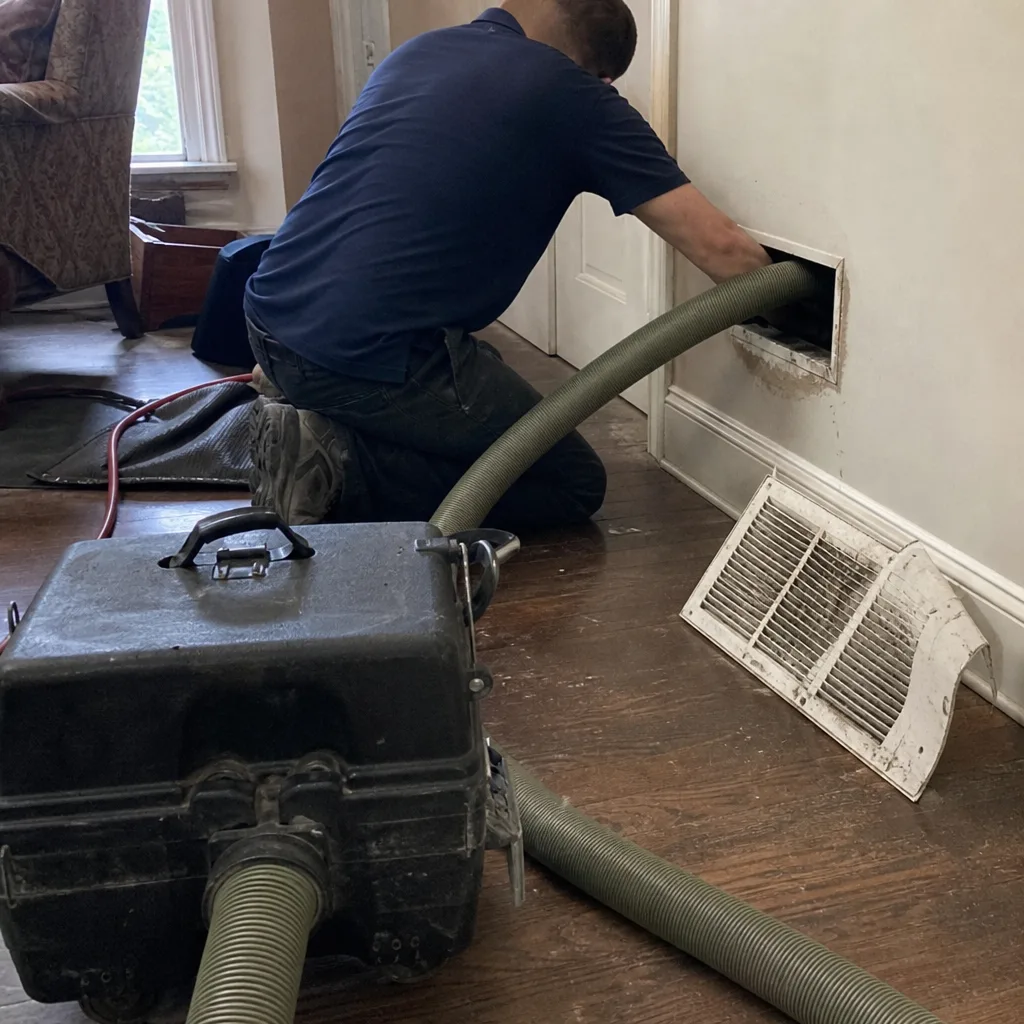
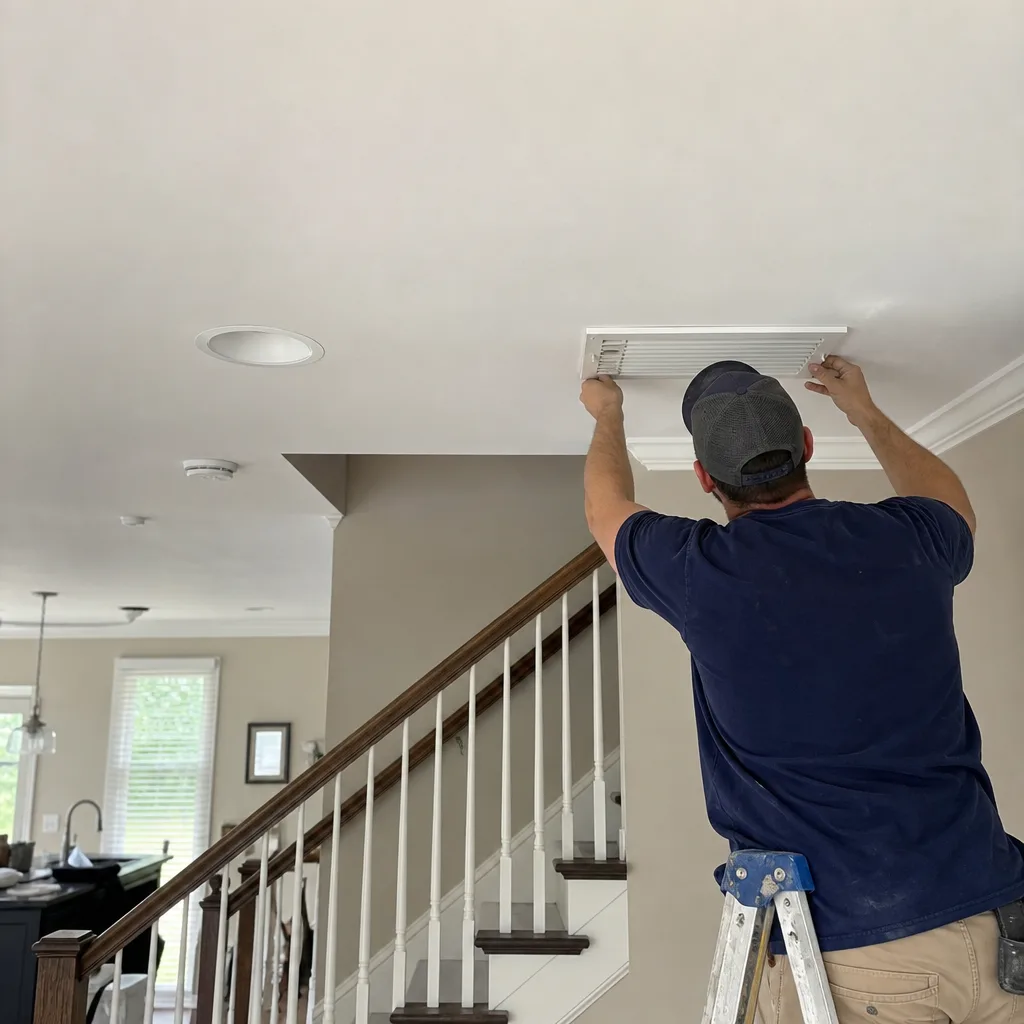
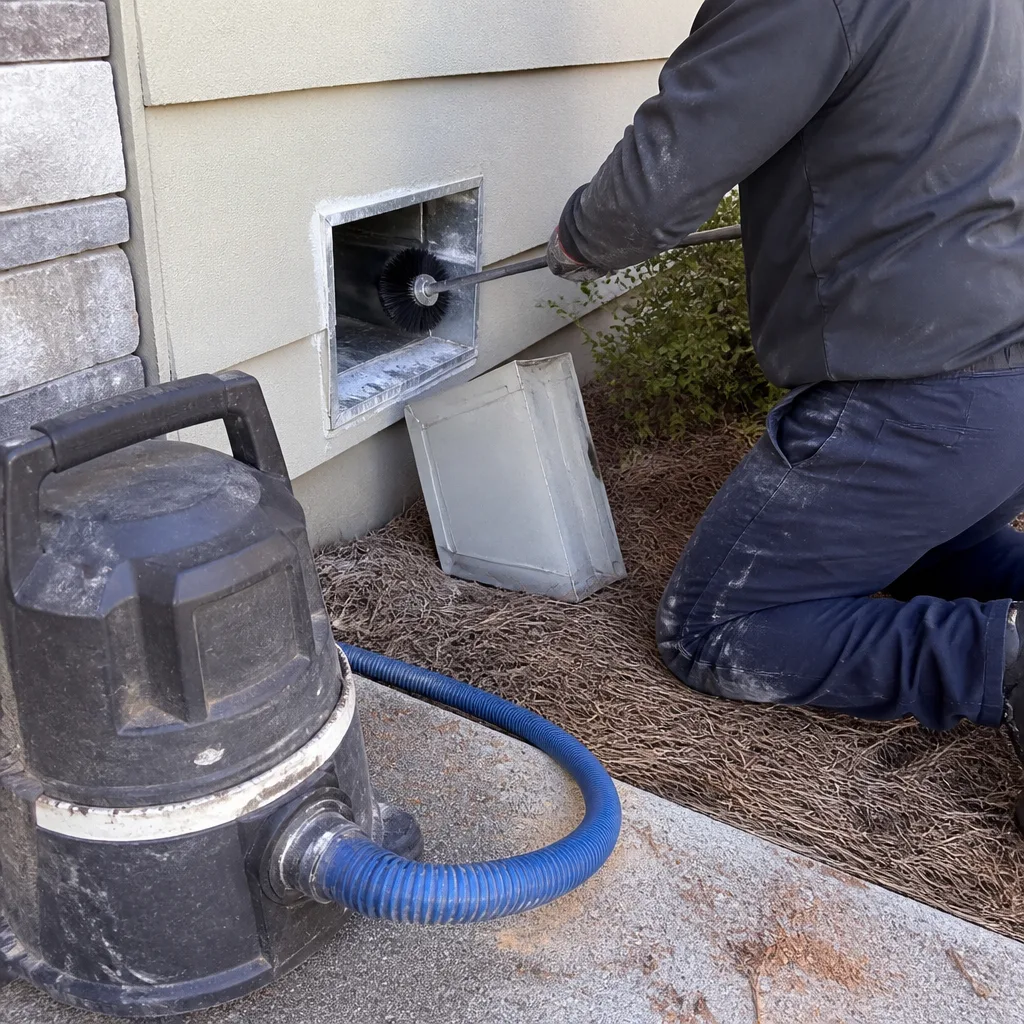
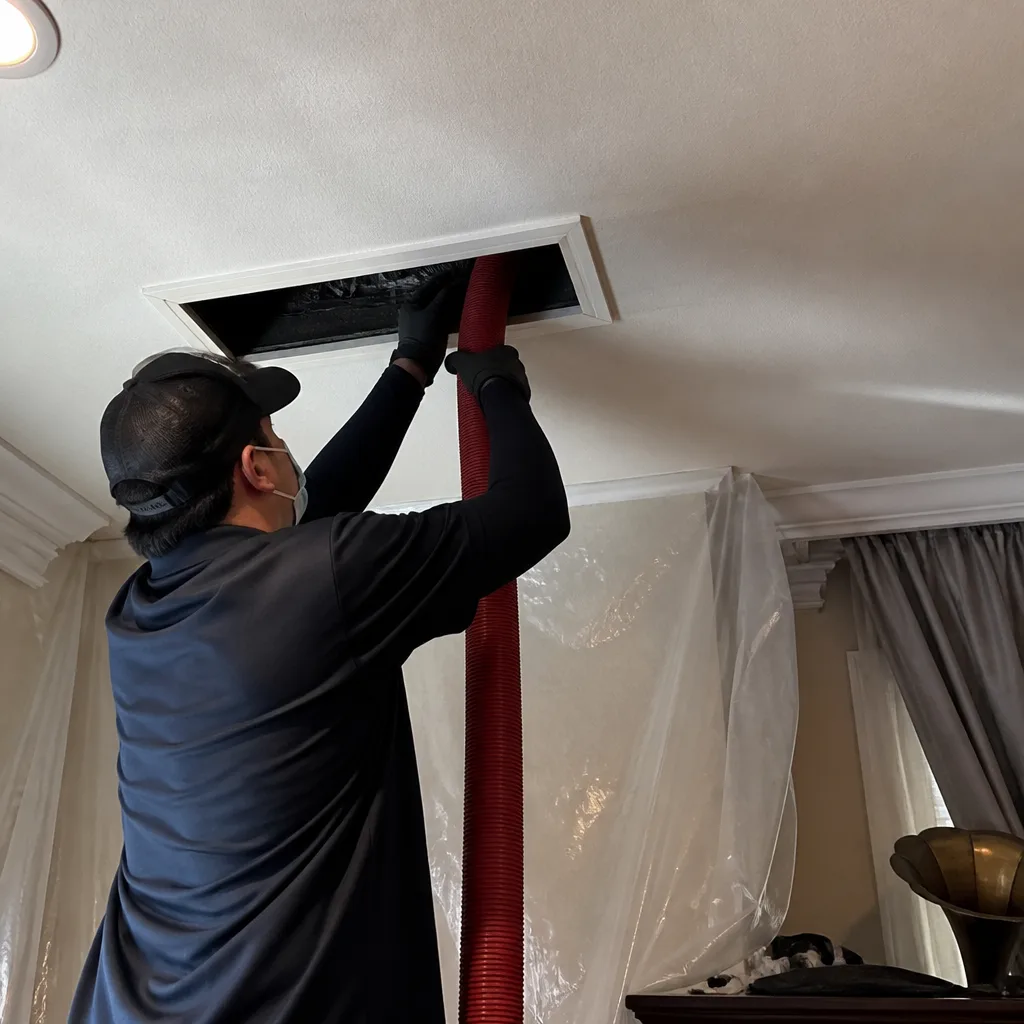
Whole-system duct and dryer vent check with before-and-after photos - you see exactly what came out of your vents
That "$99 whole-house special" is a bait ad - the real number appears once they are in your hallway, or the "clean" is a shop-vac at the register. We photograph the inside of your ducts before and after instead.
Air Duct Cleaning Permits, Codes & Inspections in GA: What You Need to Know
A duct cleaning quote in Atlanta can hide a legal landmine. You call a company to clean your vents for $400, and the technician “notices” your ducts need sealing. Suddenly you’re quoted $1,200 for a “seal and clean” package. Here’s what they didn’t tell you: the cleaning part needs no permit in Georgia, but the sealing part may legally require a licensed HVAC contractor and a mechanical permit. If no permit gets pulled, that work doesn’t exist on record when you sell your home. This guide-along with our The Complete Guide to Air Duct Cleaning in Atlanta-walks you through exactly where the legal line sits in Georgia, how to verify a contractor before they step inside your Atlanta home, and what unpermitted work can mean for your insurance and resale value.
Quick Answer
Routine air duct cleaning in Georgia does not require a state permit, a county permit, or a specific state license. What does require both licensing and permits is any work that modifies, repairs, or replaces your duct system: sealing, insulation replacement, mold remediation, or duct installation. Before anyone works on your Atlanta home, get a written scope-of-work statement that says whether the job is cleaning only or includes modification, and verify the contractor’s standing through the Georgia Secretary of State license lookup.
Styles & brands we work with
Table of Contents
- The Legal Line: Cleaning vs. Modification in Georgia
- When Georgia Actually Requires a Permit
- How to Verify a Contractor: The Georgia License Lookup
- Mold Remediation: The Handoff Rule in Georgia
- Unpermitted Work and Your Home Insurance
- How to Get a Written Scope-of-Work Statement
- Atlanta-Area County Rules: Fulton, DeKalb, and Cobb
- Common Mistakes to Avoid
- When to Call a Professional
- Frequently Asked Questions
The Legal Line: Cleaning vs. Modification in Georgia
Georgia draws a clear statutory distinction between two activities that sound like the same job. Air duct cleaning is the removal of accumulated debris: dust, pet dander, hair, construction particles. This is performed with negative-pressure extraction equipment, brushes, and agitation tools that dislodge debris without altering the structure of your ductwork. Under current Georgia code, this activity falls under general maintenance. No state permit. No mechanical license. No county inspection.
Duct modification is a different category entirely. The moment a technician proposes to cut into your ductwork, seal joints with mastic or tape, replace a section, install dampers, or otherwise change the physical system, the work moves under Georgia’s mechanical contractor licensing rules. Georgia law requires anyone performing mechanical work for compensation to hold a valid license from the State Construction Industry Licensing Board. In most Atlanta metro counties, that work also requires a mechanical permit pulled before any modification begins.
Why does this matter to you as a homeowner? Because the person who shows up with a cleaning truck may not have the credentials to legally do the modification they just offered. In our experience serving Atlanta since 2004, we’ve seen homeowners sign off on “sealing” jobs performed by cleaning technicians, then discover during a home sale that no permit was ever recorded. The buyer’s inspector flags it. The deal stalls. The seller pays for retroactive permits at a premium, or worse, pays to have the work redone by a licensed contractor.
The practical rule: if a tool touches the inside surface of your duct to remove debris, it’s cleaning. If a tool or material changes the duct’s physical structure, it’s modification. Know which one you’re paying for before any work starts.
When Georgia Actually Requires a Permit
Here’s a straightforward fact for Atlanta homeowners: cleaning your air ducts triggers no permit requirement anywhere in Georgia. The state doesn’t regulate it as construction, and neither do the counties. But the moment the scope expands beyond debris removal, the permit picture changes fast.
The following activities, when performed on your Atlanta duct system, generally require a mechanical permit under county building codes:
- Duct sealing or duct tape/mastic application: Any activity that bonds, patches, or otherwise alters duct joints and surfaces.
- Duct replacement: Removing and reinstalling any section of rigid or flexible ductwork.
- Duct insulation installation or replacement: Wrapping ducts, replacing deteriorated insulation, or adding insulation to unconditioned spaces.
- Duct modification or resizing: Changing duct diameter, adding new branch runs, or relocating supply or return registers.
- HVAC equipment replacement that ties into ducts: Installing a new air handler, furnace, or heat pump that connects to your existing distribution system.
These activities require a licensed mechanical contractor in Georgia. Pulling the permit is typically the contractor’s responsibility, not yours, but the responsibility for confirming the permit was actually pulled falls on you if questions arise later. In Fulton, DeKalb, and Cobb counties, you or the contractor can look up open and closed permits through the county’s online building permit portal. A permit that was never pulled is a permit that never protected you.
The line gets blurrier when a cleaning company offers add-on services. The State Construction Industry Licensing Board has clarified repeatedly that duct sealing, in particular, is mechanical work. A cleaning-only provider who offers to seal your ducts is stepping over the legal line unless they hold a mechanical license and pull a county permit. You have the right to ask for the license number and the permit number before the work begins.
How to Verify a Contractor: The Georgia License Lookup
Before you let any duct professional into your Atlanta home, take ten minutes to verify their standing. It’s simpler than most people expect, and it can save you thousands. Here’s the step-by-step process we recommend to friends, neighbors, and anyone who asks:
- Go to the Georgia Secretary of State’s Professional Licensing Boards portal. You’ll find the license lookup tool under the Construction Industry Licensing Board. This is the same database used by county inspectors and building departments.
- Search by the company’s legal business name or by the individual’s name. Sole proprietors often register under their personal name. Larger companies register under an LLC or corporation name. Search both.
- Confirm the license type. For anything involving duct modification, sealing, or replacement, look for a “Conditioned Air Contractor” license classification. This is the Georgia-specific license for HVAC and mechanical work. A general business license is not enough.
- Check the license status. Look for “Active” status. If the license shows “Lapsed,” “Suspended,” “Revoked,” or “Expired,” that contractor cannot legally perform mechanical work in Georgia.
- Match the license number to the quote. Ask the contractor to include their license number on the written estimate. If they hesitate, that’s your signal to pause.
- Check your county’s permit portal. Fulton, DeKalb, and Cobb counties each maintain an online searchable database of building permits. Search by your address to see whether permits were pulled for prior HVAC work, or to verify a permit the contractor claims to have obtained for your job.
This process takes ten minutes, and it’s the single most effective way to protect your Atlanta home from unlicensed work. At Linden Air Duct Atlanta, every technician who arrives at your door is background-checked and identity-verified under what we call the Threshold Standard. We send you the tech’s name and photo before the visit, and they show a photo ID badge at the door before anyone crosses your threshold. No exceptions. That protocol was built because we know what it feels like to open your door to a stranger, and we want you to have every verification tool available before you do.
Mold Remediation: The Handoff Rule in Georgia
Here’s a scenario-one of several Air Duct Cleaning Warning Signs: A Atlanta Homeowner’s Reference Guide covers-that plays out in Atlanta homes more often than most people realize. A duct cleaning technician opens your return register, shines a light inside, and finds what looks like mold. In some cases, the company offers to “treat” or “kill” the mold as part of the cleaning job. That offer is a legal problem, and it’s one you need to know about before it happens.
Georgia requires mold remediation contractors to hold a specific license. Mold assessment and remediation are regulated separately from general contracting, and they carry their own training, certification, and insurance requirements. A duct cleaning company, even a reputable one, is not automatically licensed to perform mold remediation. When a duct cleaner finds mold and offers to handle it themselves without a remediation license, you’re being sold an illegal service.
The correct protocol for a duct cleaning technician who finds mold during a cleaning job is a handoff: document the finding, stop work in that area, and refer you to a licensed mold assessment professional. The assessor tests, confirms the mold type and extent, and either certifies that remediation is not needed or recommends a remediation plan. The remediation contractor then performs the licensed work, and the assessor returns for clearance testing.
Why does this matter beyond legality? Because mold in your duct system affects the air you breathe in every room of your Atlanta home. If the “treatment” fails, the mold returns, and you have no recourse because no licensed professional ever documented the problem. Worse, if you later file an insurance claim or a warranty claim tied to the mold, you’ll need the paperwork chain: assessment, remediation, clearance. A cleaning company’s informal “mold spray” doesn’t produce that chain.
Our advice to Atlanta homeowners is simple: if a duct cleaning tech finds mold, ask for a referral to a licensed remediation professional. If they offer to handle it themselves, ask for their mold remediation license number. If they can’t produce one, walk away. The Threshold Standard at Linden Air Duct Atlanta means we tell you plainly when a job is beyond our scope and point you to someone who’s properly licensed to handle it.
Unpermitted Work and Your Home Insurance
Here’s the part of this guide that most Atlanta homeowners don’t think about until it’s too late. Unpermitted HVAC-adjacent work can complicate your homeowners insurance claim, and in some cases, it can void coverage entirely.
Georgia insurance policies generally require that any modification to your home’s mechanical systems be performed by a licensed professional and permitted where required by local code. If a fire starts in or near your air handler, or a water event damages the area around your ductwork, your insurer will investigate the cause. During that investigation, they’ll look at any recent work performed on the system. If they find unpermitted modifications, sealing work, or replacement done by an unlicensed contractor, they have grounds to deny the claim.
In our experience serving Atlanta since 2004, we’ve seen this play out with duct sealing. A homeowner in DeKalb County hired a general handyman to “seal up” their ducts after noticing air loss. No permit. No mechanical license. Two years later, a supply duct separated in the attic, causing extensive water damage when condensation pooled and soaked the ceiling below. The insurer investigated, found the unpermitted duct work, and denied the water damage claim. The homeowner paid out of pocket for repairs that should have been covered.
The counterintuitive part: even when the unpermitted work isn’t directly to blame for the loss, its existence on the property can be used to complicate or slow the claim. Insurers don’t like undocumented changes to mechanical systems. It creates ambiguity, and ambiguity is expensive for you.
The protection is straightforward. If any duct work beyond cleaning is done on your Atlanta home, make sure a permit was pulled and the contractor was licensed. Keep the paperwork. A current list of mechanical permits on file at your county building department is your insurance policy’s best friend.
How to Get a Written Scope-of-Work Statement
You can protect yourself from the cleaning-versus-modification trap with one simple document: a written scope-of-work statement. This takes five minutes to request and can save you thousands of dollars if questions arise later. Here’s exactly how to ask for it in Atlanta:
- Ask before the work starts. “Please put in writing whether this job is cleaning only or includes any modification, sealing, or replacement.” A contractor who hesitates is telling you something important.
- Request the specific language. The statement should say one of two things: “Scope of work is limited to debris removal via negative-pressure extraction. No modification, sealing, insulation replacement, or structural change is included.” Or: “Scope of work includes the following modifications: [list]. This work will be performed under Georgia mechanical license #[number], with a mechanical permit filed with [county] before work begins.”
- Get it signed. The document should carry the company’s name, your name, your Atlanta address, the date, and the signature of a company representative.
- Keep it with your home records. File it with your closing documents, your HVAC maintenance records, and your insurance policy. When you sell your home, this document answers the buyer’s inspector before they even ask.
- Verify the license number if modification is listed. Run that license number through the Georgia Secretary of State lookup before you sign anything.
This document serves as your legal record that the contractor acknowledged the scope of work. If a dispute arises later, or if a home inspector flags “unpermitted work” during a sale, you can show exactly what was supposed to happen and what the contractor represented. At Linden Air Duct Atlanta, we put every price in writing before any work begins, and we’re happy to provide a written scope statement for every job. That’s not a special accommodation. It’s how every job ought to work in Atlanta.
Atlanta-Area County Rules: Fulton, DeKalb, and Cobb
Atlanta is a patchwork of counties, and each one runs its own permitting process. The underlying state rules are the same everywhere in Georgia: cleaning needs no permit, modification does. But the practical steps differ depending on where your home sits. Here’s what you need to know for the three counties where most Atlanta homeowners live.
Fulton County (including much of the City of Atlanta)
Fulton County requires mechanical permits for all duct modification, sealing, insulation replacement, and HVAC equipment changes. Permits are pulled through the Fulton County Department of Community Development, and you can search the online portal by your address. If your home sits within the City of Atlanta proper, the city runs its own building department, but the mechanical permit requirement is the same. Fulton County inspectors do not routinely inspect cleaning-only work because no permit is required.
DeKalb County
DeKalb County follows the same mechanical permit requirement for duct modification and HVAC changes. The county’s online portal allows address-based searches for active and closed permits. DeKalb has been aggressive in recent years about unpermitted work, particularly in older homes where undocumented repairs accumulate over decades. If you’re buying a home in Decatur or Brookhaven, a permit history can reveal whether prior owners did unpermitted HVAC work that becomes your problem.
Cobb County
Cobb County requires mechanical permits for duct modification, sealing, and replacement, pulled through the Development and Inspections Division. The online portal is straightforward to search. In our experience serving Marietta, Smyrna, and the rest of Cobb, homeowners who later sell often discover unpermitted duct work during the buyer’s inspection. Fixing that post-inspection is more expensive than pulling the permit correctly in the first place.
The takeaway for all three counties: if any part of your duct job involves modification, ask for the county permit number. If the contractor can’t produce it, the work either hasn’t been permitted or isn’t going to be.
Common Mistakes to Avoid
- Accepting a “seal and clean” bundled price without asking about licensing. A cleaning company that offers sealing work may not hold a Georgia mechanical contractor license. Ask for the license number before you agree to the seal part.
- Assuming your county handles the permit automatically. In Fulton, DeKalb, and Cobb counties, the contractor is generally responsible for pulling the permit, but no one is responsible for confirming it was pulled except you. Five minutes on the county portal saves headaches later.
- Letting a duct tech handle mold without a remediation license. Georgia regulates mold remediation separately. If a cleaning tech offers to “treat” mold, ask for their mold remediation license number. No number, no work.
- Skipping the written scope-of-work statement. Without it, you have no paper trail separating cleaning from modification. A good company offers this document without being asked. A bad company resists it.
- Accepting a low quote for “sealing” work that undercuts every licensed HVAC contractor in Atlanta. That price almost always means no license, no permit, and no insurance coverage if something goes wrong.
- Failing to check the Georgia Secretary of State license lookup before work starts. Ten minutes of verification can prevent years of legal and financial exposure. If the contractor is not in the system or their license is lapsed, find someone else.
- Assuming your home insurance covers unpermitted work. Read your policy’s mechanical work exclusion. Most Georgia policies have one. Unpermitted modifications can void coverage for related claims.
When to Call a Professional
Call a professional duct cleaning company in Atlanta when you see visible dust buildup on your supply registers, when you notice reduced airflow through your vents, when your home has been through a renovation that generated drywall dust and debris, or when your allergies flare up inside your home but calm down outside it. These are the classic signs your duct system is carrying more than it should. Routine cleaning is a scheduled maintenance task, not an emergency. A reputable provider books a specific time window, confirms pricing in writing before the day of service, and sends you the tech’s name and photo beforehand. Linden Air Duct Atlanta offers Air Duct Cleaning with free estimates in Atlanta. Call (912) 493-7110 to get a written, no-obligation quote for air duct cleaning, dryer vent cleaning, or air duct repair. A live person answers, around the clock.
Frequently Asked Questions
No. Routine air duct cleaning in Georgia requires no state permit, no county permit, and no mechanical license. The activity falls under general maintenance. A permit is only required when the job expands into modification, sealing, insulation replacement, or duct replacement. For an exact quote on cleaning-only work in the Atlanta area, call (912) 493-7110.
Duct cleaning is debris removal using negative-pressure extraction and agitation tools. Duct sealing is a modification: it involves applying mastic, tape, or other materials that alter the physical structure of your duct system. Georgia treats sealing as mechanical work requiring a licensed contractor and, in most Atlanta-area counties, a mechanical permit. At Linden Air Duct Atlanta, we’re straightforward about which service you’re getting and put every detail in writing before any work begins.
Search the Georgia Secretary of State’s Professional Licensing Boards portal under the Construction Industry Licensing Board. Look for a “Conditioned Air Contractor” license classification and confirm the status shows “Active.” Then check your county’s permit portal (Fulton, DeKalb, or Cobb) for any permits associated with your address. This verification takes about ten minutes and is worth every second.
Mold remediation is separately regulated in Georgia and requires a specific remediation license. A duct cleaning company without a mold remediation license cannot legally treat mold in your ducts. They should refer you to a licensed remediation professional instead. If your Atlanta duct cleaning uncovers mold, document it and get a referral. For duct cleaning that follows proper industry standards, contact Linden Air Duct Atlanta at (912) 493-7110 for a free estimate.
An unpermitted duct modification flagged during a buyer’s inspection will typically stall the sale. The buyer may demand retroactive permits, which many Atlanta-area counties will not issue for work that’s already complete. In many cases, the seller ends up paying to have the work redone by a licensed contractor. Pulling the correct permit before work begins is always the cheaper path.
For most Atlanta homes, every 3 to 5 years is a reasonable schedule, depending on pets, allergies, smoking, and recent renovations. Homes near construction zones, with large pets, or with residents who have respiratory conditions may benefit from more frequent cleaning. It is not an annual necessity, despite what some high-pressure sales pitches suggest. Honest guidance from an experienced Atlanta professional beats a generic schedule every time. Call (912) 493-7110 for a straight answer about your specific home.
The Bottom Line
Routine air duct cleaning in Georgia means debris removal, and it requires no permit, no mechanical license, and no inspection. The moment the job shifts to sealing, modification, insulation, or replacement, the legal requirements change: licensed contractor, county permit, and documented compliance. Atlanta homeowners who know this line, verify their contractor through the Secretary of State lookup, insist on a written scope statement, and understand the insurance implications of unpermitted work are protected at every step. For more guides & resources, visit our blog. That’s not bureaucratic paranoia. It’s home ownership done right, in Atlanta, in 2026.
For straightforward answers about air duct cleaning in Atlanta, explore our air duct cleaning services in Atlanta. If you’re concerned about your dryer vent, read about dryer vent cleaning in Atlanta. And if your ducts need repair work, see air duct repair options in Atlanta. You can always reach us at (912) 493-7110. Start with the Linden Air Duct Atlanta home page if you’re new here.
Written by Marcus Veale, Owner at Linden Air Duct Atlanta, serving Atlanta since 2004.
See the difference
 Before
 After
After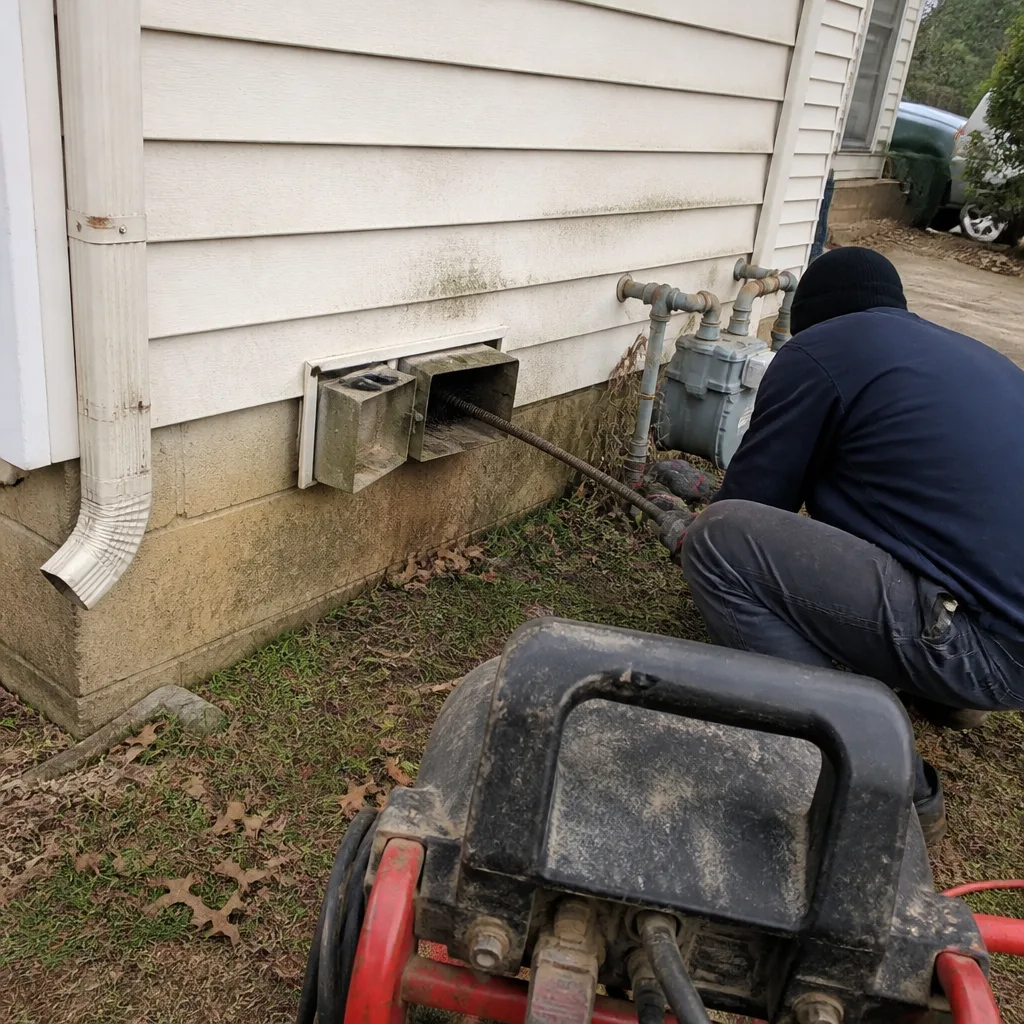 Before
 After
After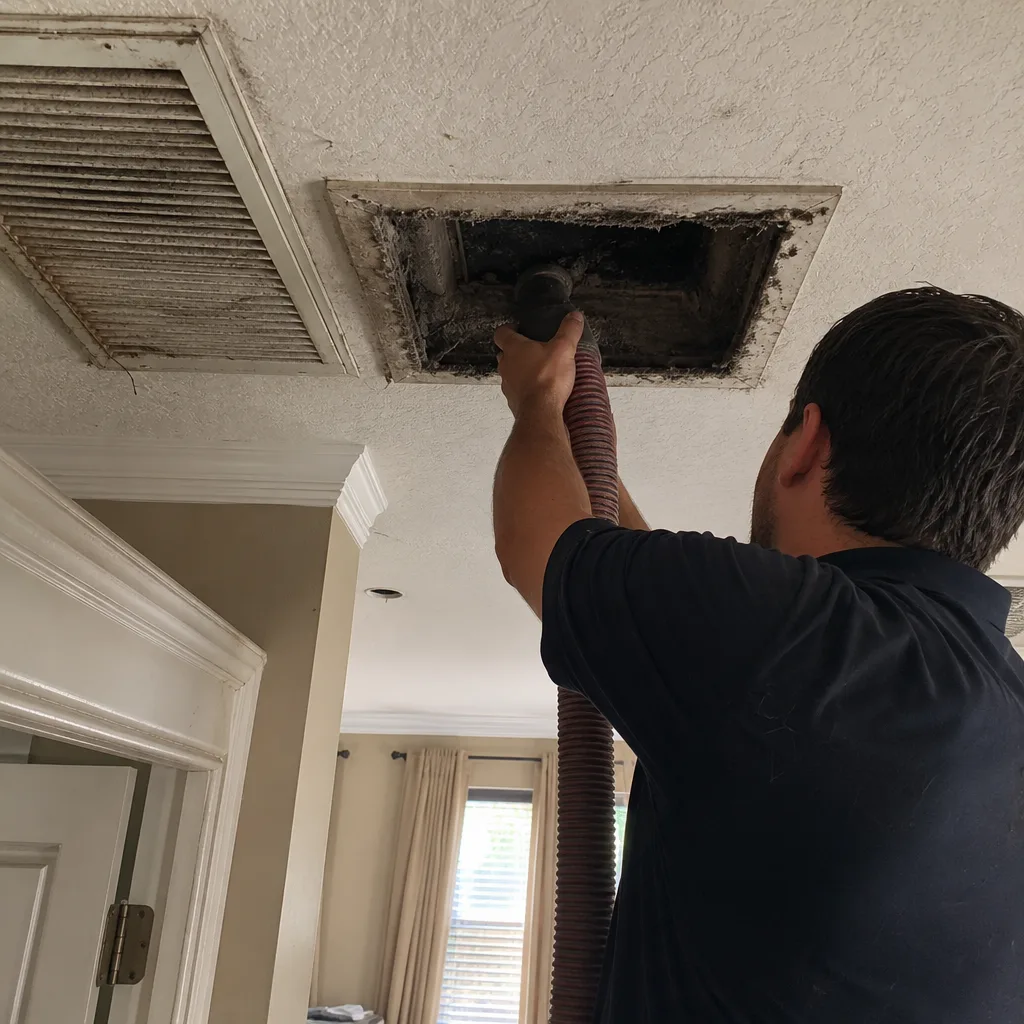 Before
 After
After