

Last updated October 17, 2026
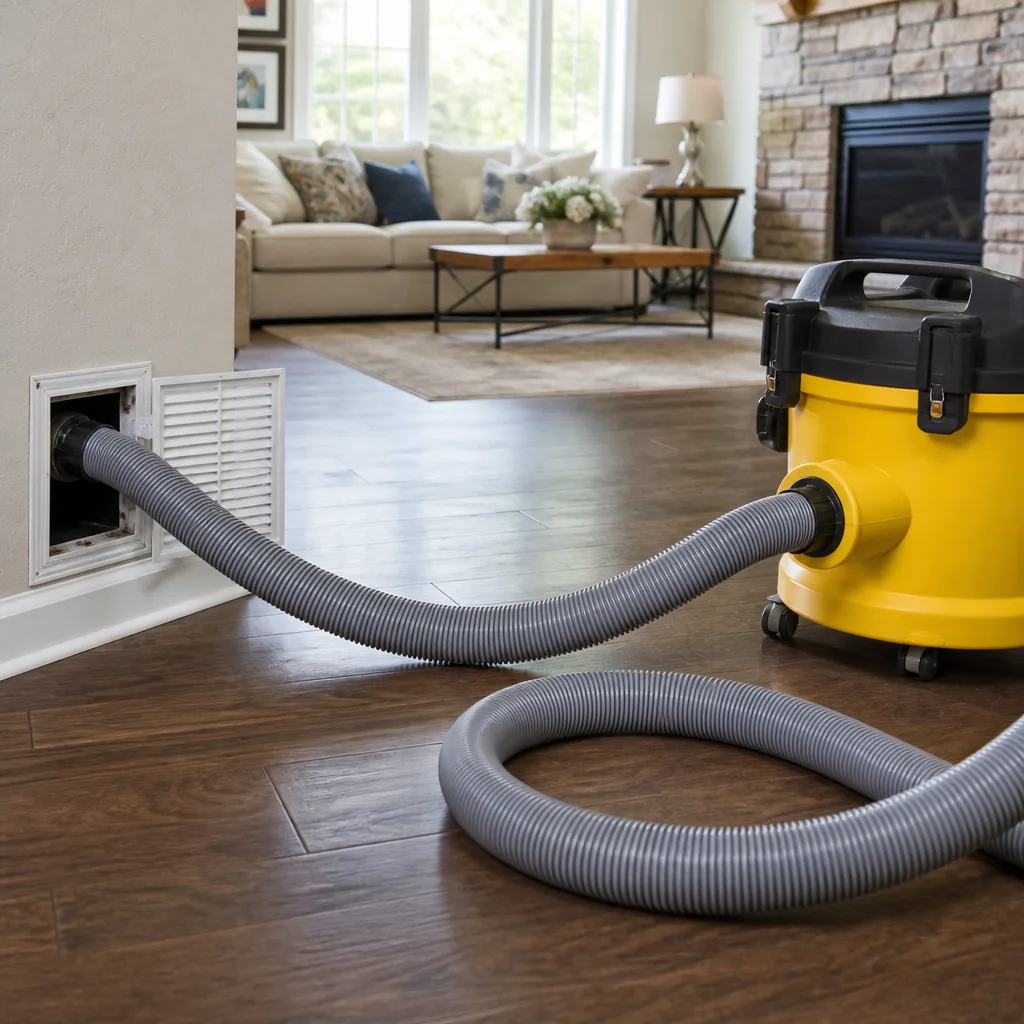 Whole-home duct cleaning
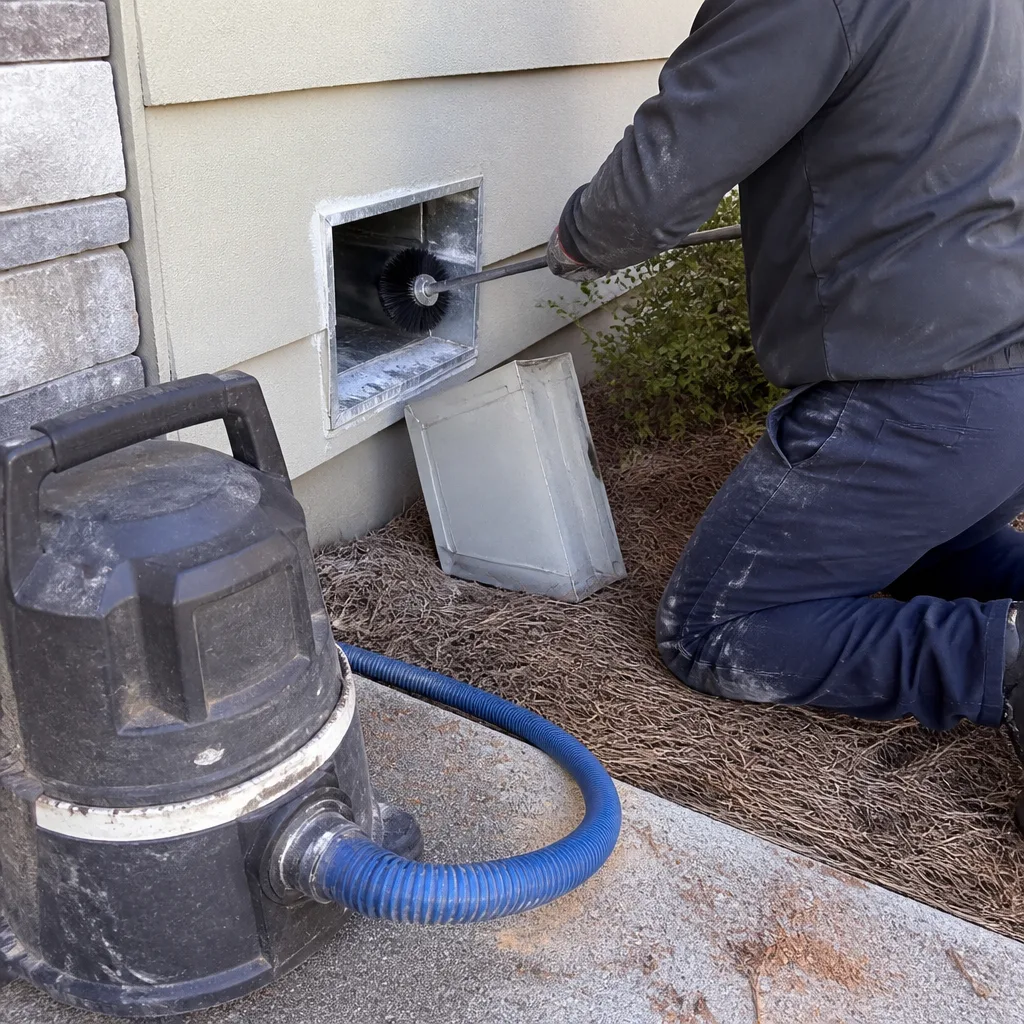
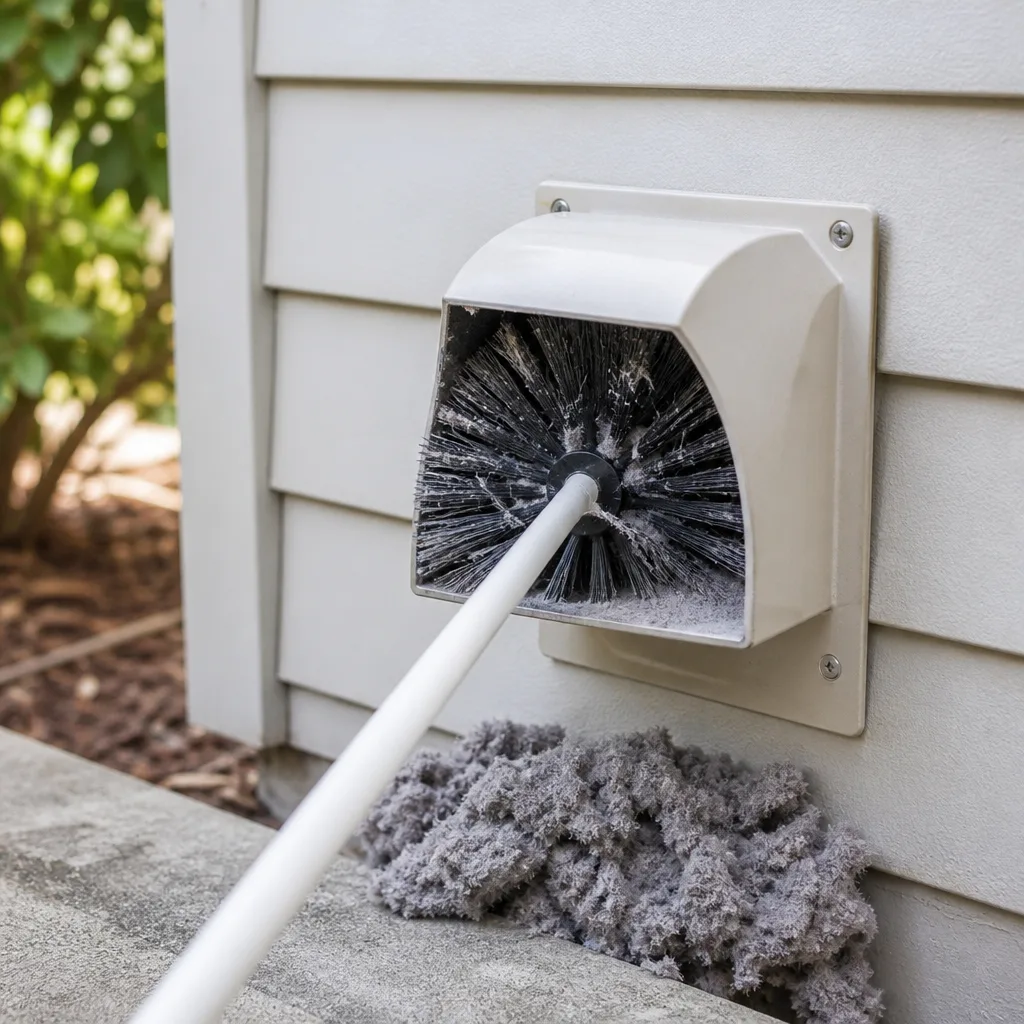 Dryer vent cleaning
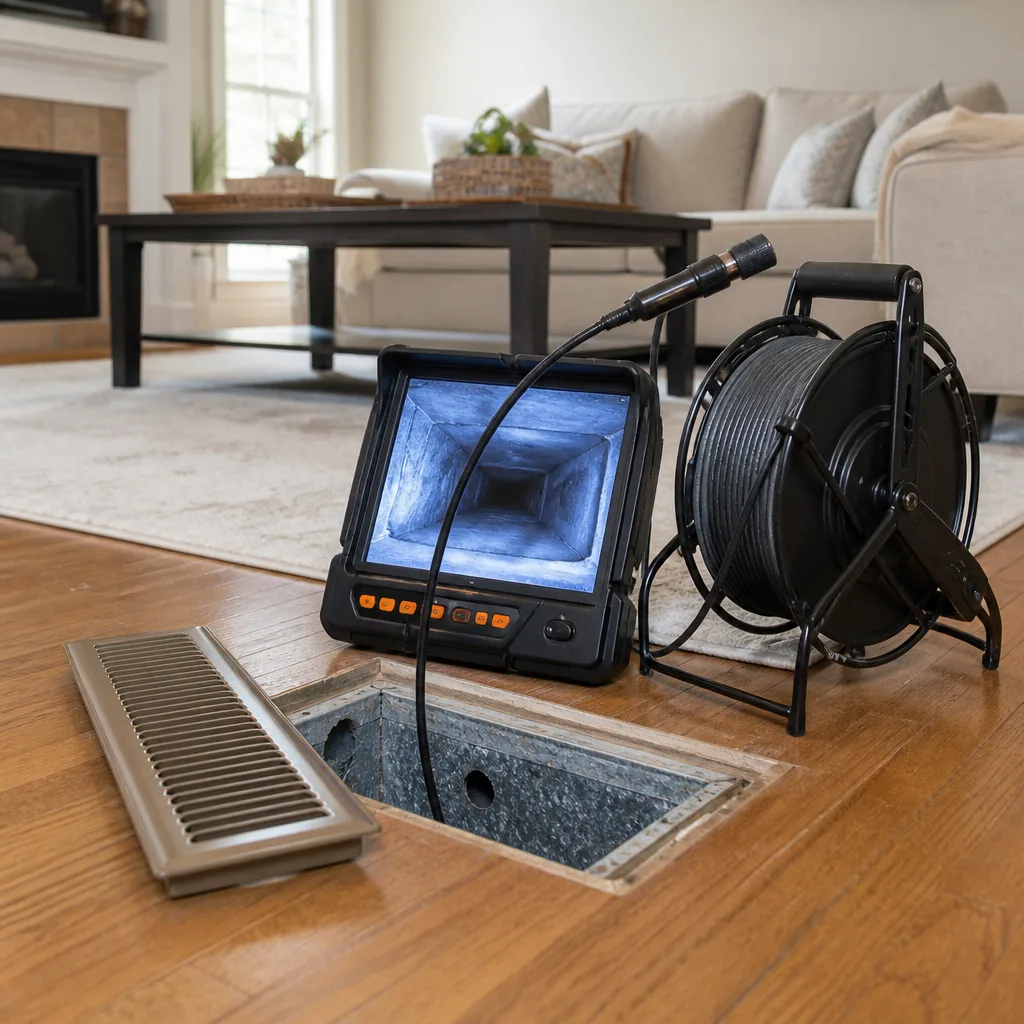 Camera inspection
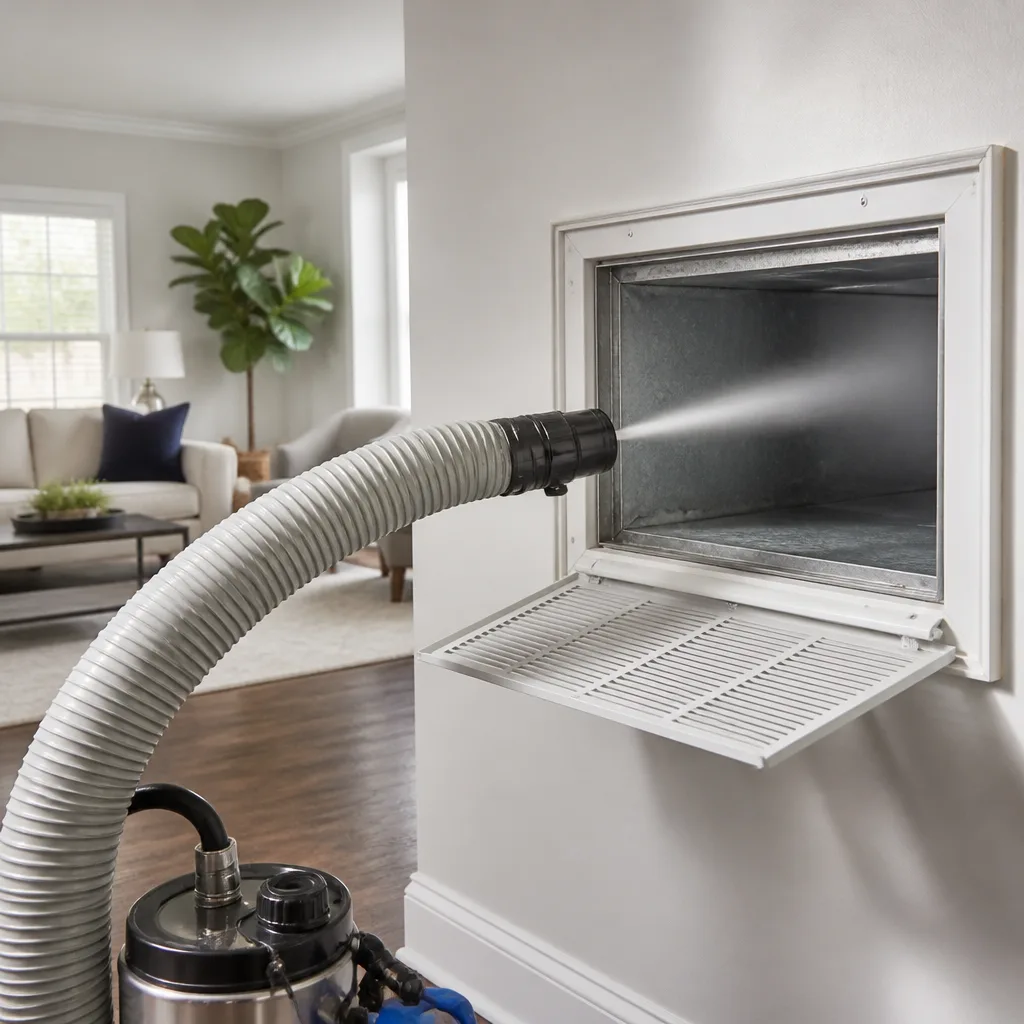 Sanitizing & deodorizing
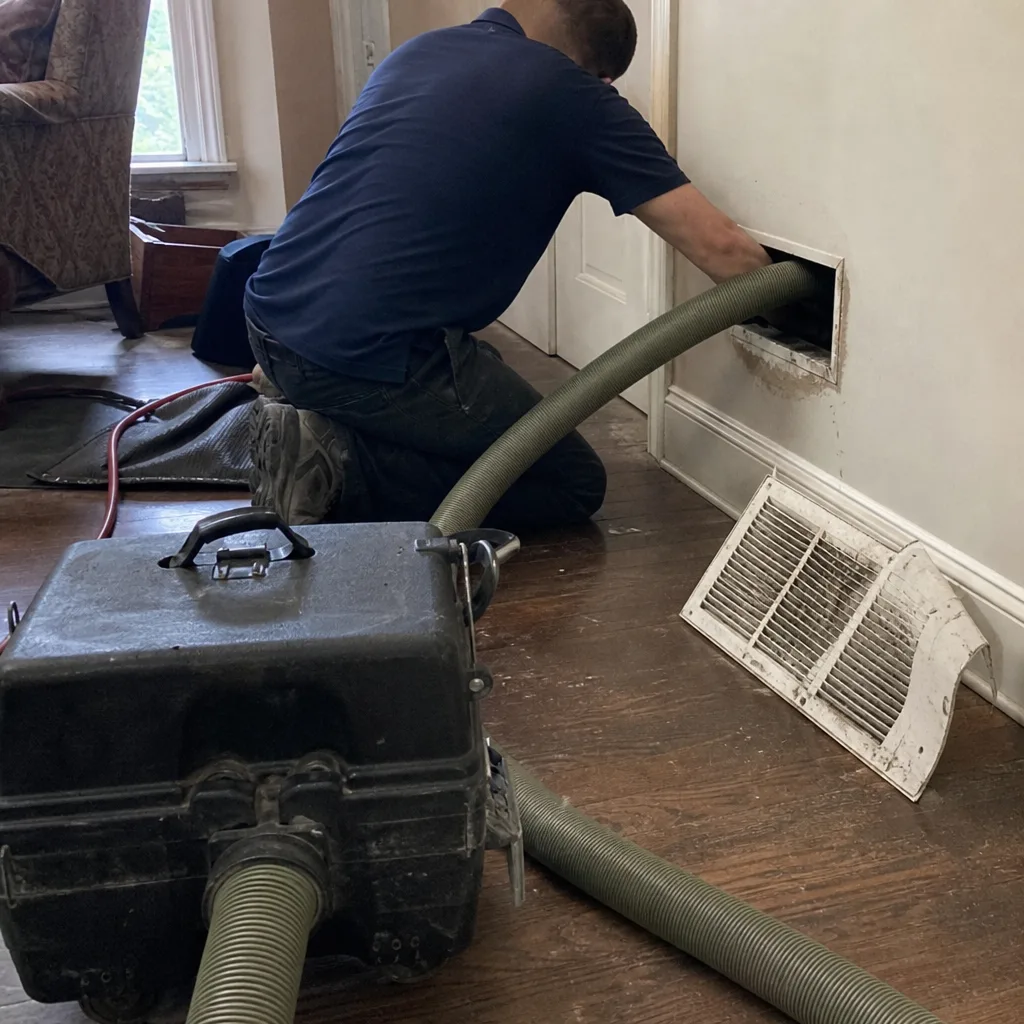
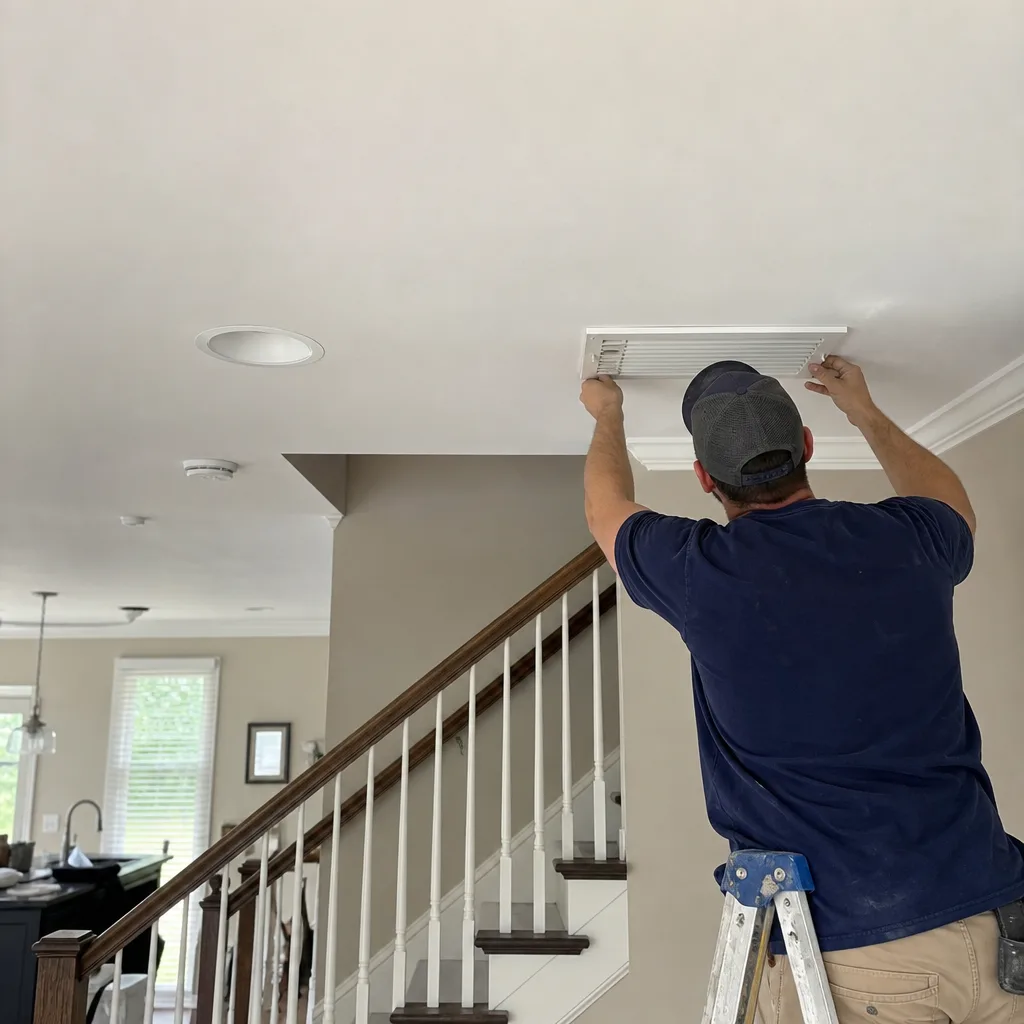
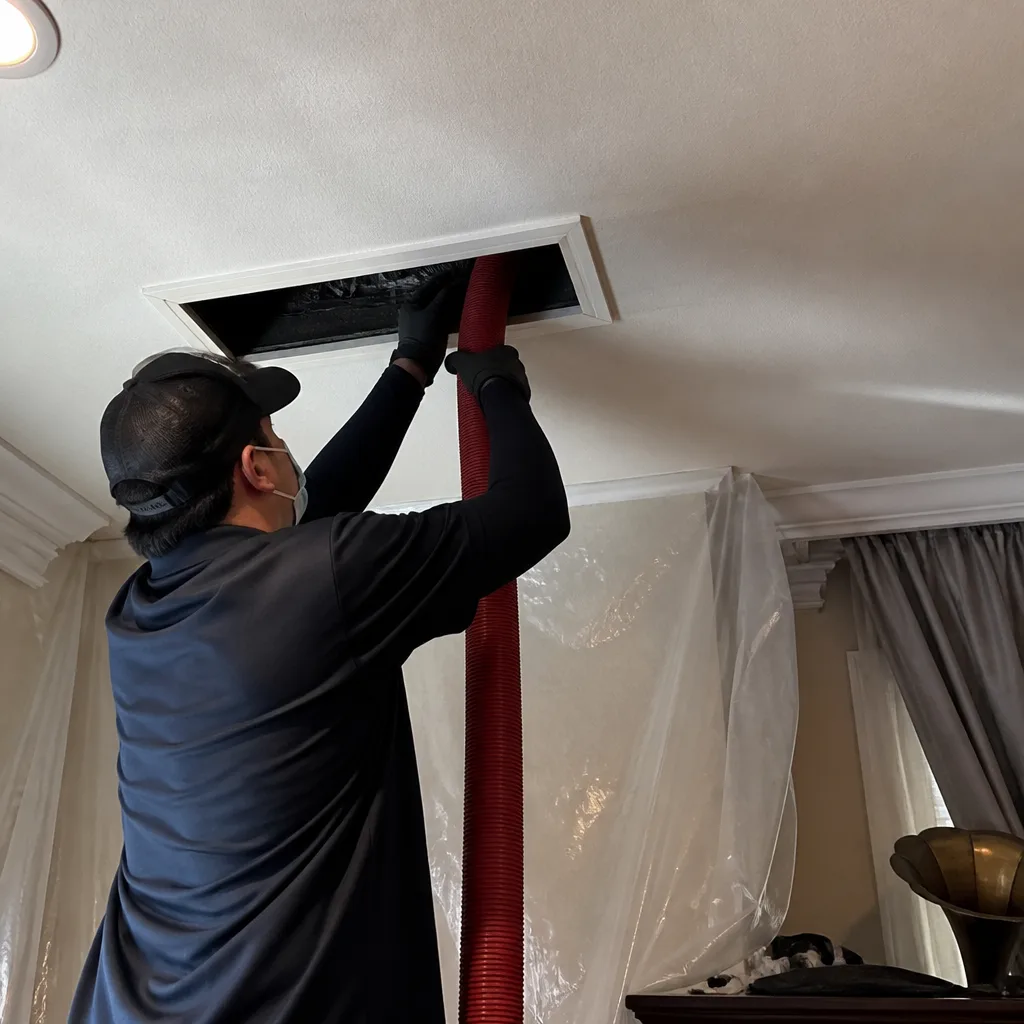
Whole-system duct and dryer vent check with before-and-after photos - you see exactly what came out of your vents
That "$99 whole-house special" is a bait ad - the real number appears once they are in your hallway, or the "clean" is a shop-vac at the register. We photograph the inside of your ducts before and after instead.
Air Duct Cleaning Warning Signs: A Atlanta Homeowner’s Reference Guide
Most Atlanta homeowners call us after the problem has already announced itself: a visible puff of dust when the vents kick on, a smell that lingers in the hallway, a bedroom that never cools. By that point, the fix is no longer preventive. But the real skill in reading ductwork is catching the signals that show up months earlier, the quiet ones that don’t set off alarms. What we’ve learned from thousands of Atlanta homes is that the earliest warnings are almost never what generic advice tells you to look for. This guide breaks down those subtler signals as they appear in real Atlanta houses: what they mean, what they don’t mean, and when they actually warrant a call to an air duct cleaning company in Atlanta.
Quick Answer
The clearest early warning signs that your Atlanta home’s air ducts need attention are: a musty smell that appears only in the first few minutes after the AC starts, consistent hot or cold spots that stay in the same rooms, dark streaking around register covers, and allergy symptoms that fade when you leave the house. If you notice any two of these together, schedule a professional inspection or explore our Air Duct Cleaning services; catching duct contamination early usually means a lower-cost cleaning rather than duct repair or replacement later.
Styles & brands we work with
Table of Contents
- The First-Blast Smell Test: What Different Odors Actually Mean
- Airflow Imbalance: When One Zone Never Feels Right
- Visible Register Discoloration Decoded
- The Allergy-Onset Timeline: Home/Away Pattern Recognition
- Atlanta Duct Materials: Flex Duct vs. Sheet Metal Warning Signs
- Unseen Signals: Dust Accumulation Rates and Filter Evidence
- Common Mistakes to Avoid
- When to Call a Professional
- Frequently Asked Questions
The First-Blast Smell Test: What Different Odors Actually Mean
The most actionable early-warning tool an Atlanta homeowner has costs nothing and takes ten minutes. It’s the first-blast smell test. Here’s how it works: set your thermostat to fan-only mode before you go to bed. In the morning, switch it to cool and stand near a central return or main supply register. The air that comes out in that first cycle has been sitting in the ducts overnight, and whatever it carries is what’s actually in your ductwork, not what’s blowing through from outside.
What you smell in those first ten minutes is diagnostic. A dusty odor, like the smell of an attic on a dry day, usually means accumulated particulate in the duct lining or at the register boot. This is the classic signal that cleaning is overdue but rarely indicates anything urgent. A musty odor, the one that smells like a damp crawlspace or an old towel, is more specific: it points to microbial growth on the evaporator coil or in the plenum, not the registers themselves. In Atlanta’s humidity, that distinction matters. The coil sits in a dark, wet environment for much of the summer, and Atlanta’s long cooling season gives biological growth a far longer runway than it has in drier climates. We’ve seen this in houses from Buckhead to Decatur: the homeowner swears the smell is coming from the vents, but the source is upstream, where condensation meets dust on the coil.
An acrid or electrical smell is a different category entirely. That’s not a cleaning issue. Turn the system off and have an HVAC technician inspect it before running it again. Acrid odors can indicate a failing blower motor, overheating components, or wiring problems. Do not wait on that one.
Here’s the sequence we recommend for Atlanta homeowners:
- Run the fan-only setting for 8 hours overnight.
- Switch to cooling first thing in the morning.
- Stand at a main supply register and take three slow breaths in the first 60 seconds.
- Note whether the odor is dusty, musty, or acrid.
- Repeat at a second register on the opposite side of the house.
- If the smell fades after 5-10 minutes, record that too. It tells you where the problem is concentrated.
If the musty smell appears consistently across multiple mornings, call for an inspection. In our experience with Atlanta homes, coil and plenum contamination found early resolves with a straightforward cleaning, as detailed in The Complete Guide to Air Duct Cleaning in Atlanta. Left alone through another humid summer, it often means the coil needs sanitizing and the plenum needs more intensive work. The cost difference is real.
Airflow Imbalance: When One Zone Never Feels Right
Every house has a warm room and a cool room. That’s normal, especially in Atlanta’s older homes where original layouts were retrofitted for central air decades ago. But there’s a difference between “this room runs a few degrees warmer” and “this room never feels like the rest of the house, no matter the thermostat setting.” That second pattern is an airflow imbalance, and it’s one of the most reliable early indicators of debris accumulation in specific duct runs.
Here’s what to look for: a room that’s consistently 5 degrees or more off from the rest of the house in cooling season, even when the door stays open and blinds stay closed. If that room also has weaker airflow at the supply register, you’re looking at a restriction somewhere in that particular run, not a thermostat or balancing issue. Ductwork is a network, and restrictions don’t distribute evenly. The register closest to the air handler will always push more air than the one at the end of the longest run. But when the imbalance develops over time, rather than existing from the day you moved in, the cause is usually accumulation: construction debris from a past renovation, a collapsed section of flex duct, or years of dust that has narrowed the effective diameter of the run.
In Atlanta, we see this most often in two specific scenarios. The first is houses built between roughly 1985 and 2010, when flexible duct became standard. Flex duct has a spiral wire frame with a plastic liner, and when it’s improperly hung, it sags. Each sag creates a low spot where dust, dander, and sometimes moisture settle. Over years, those low points become restrictions. The second scenario is homes that underwent renovation without duct protection. Drywall dust and construction debris ride through the system during the project, then settle in the same low points and stay there. We’ve pulled fist-sized clumps of drywall compound out of Atlanta duct runs that were never cleaned after a kitchen remodel.
Check the imbalance this way:
- On a hot afternoon, close all interior doors and run the AC for 30 minutes.
- Walk the house with a simple thermometer and compare readings room by room.
- Note which rooms are outside the 3-degree range from your thermostat setting.
- At each register, hold a tissue or lightweight strip of paper near the vent. Compare how far it deflects between rooms.
- If the warmest room also has the weakest airflow, the problem is in the duct run. Not the thermostat, not the windows, not the insulation.
This is a useful diagnostic because it tells you something a visual inspection cannot: whether the restriction is in the ductwork itself. Atlanta’s cooling season runs long, and a restricted run forces the blower to work harder while delivering less comfort to the far side of the house. Left unaddressed, the imbalance gets worse as more debris accumulates at the same restriction point.
Visible Register Discoloration Decoded
Register discoloration is the one warning sign everyone actually sees, but almost no one reads correctly. The ceiling or wall register is the last thing air passes before it enters your living space, and what collects there over time is a forensic record of what’s been moving through your system. The key is learning to distinguish between three distinct patterns.
Gray, even dust accumulation is normal. It develops in every home with forced air, and it means your filter is doing its job, catching larger particles before they reach the register. What accumulates at the register is the fine stuff the filter intentionally lets through, and it wipes away with a damp cloth. Clean it and move on. This does not, by itself, mean your ducts are dirty. It means you have air moving through your house, and Atlanta air carries a fair amount of fine particulate year-round, especially during spring pollen season when the yellow-green dust settles on everything.
Dark streaking is different. If you see smudged, sooty-looking streaks radiating outward from the register louvers or along the wall or ceiling nearby, that indicates filter bypass. Air is finding a path around, rather than through, the filter, carrying unfiltered particulate directly into your ducts and out through the registers. Filter bypass happens with poorly fitted filters, gaps in the filter housing, or filters left unchanged so long they’ve bowed. In Atlanta, where AC runs continuously from May through September, we see filters loaded and bypassing far more often than in cooler climates. The fix is usually simple: replace the filter with the correct size and check the housing for gaps. But the dark streaking also tells you the ducts have been receiving unfiltered air, which means a cleaning is warranted to remove what’s already been deposited downstream.
Black spotting at the register boot is the one that requires immediate attention. Small, concentrated black dots or a fuzzy-looking black deposit around the register opening or on the back side of the register itself can indicate mold growth at the boot, the transition piece that connects the duct to the register. In Atlanta, the combination of cool air from the ducts meeting warm, humid room air at the register creates condensation, and condensation creates the conditions mold needs. This is not an alarm-bell emergency, but it is a “schedule an inspection this week” situation. We treat these with a full register boot cleaning and an assessment of the surrounding duct section. Homeowners who catch it at the register stage usually avoid the more invasive remediation that’s needed when growth travels deeper into the duct run.
One thing we tell every Atlanta homeowner: take a photo of each register now, while you think the system is fine. Six months later, take the same photos. The before-and-after comparison will reveal changes that daily glances miss. This is the cheapest diagnostic tool there is, and it gives you real documentation if you ever need to show a technician exactly what changed and when.
The Allergy-Onset Timeline: Home/Away Pattern Recognition
Not every allergy symptom is a duct problem. Atlanta’s pollen season is legendary for a reason: spring yellow dust, summer grass pollen, fall ragweed. But there’s a specific pattern that points to the home itself rather than the outdoor environment, and it’s one of the most reliable indicators we know for duct contamination.
The pattern is this: symptoms that improve when you leave the house and return when you come back. Not symptoms that improve when you’re outside, which points to indoor allergens generally, but symptoms that follow a schedule tied to being in the house. If you wake up congested, clear up by mid-morning at work, and feel symptoms return within an hour of getting home, the trigger is inside the house. And if those symptoms are respiratory (sneezing, congestion, throat irritation, wheezing) rather than eye-related (which more often points to surface dust and dander), the central air system is the primary suspect, because it’s the thing circulating air through every room.
What’s in the ducts that could cause this? In Atlanta, three things dominate. First, accumulated dust and dander that acts as a reservoir, being picked up and redistributed every time the blower runs. Second, biological material on the coil or in the plenum, spores released each cycle. Third, the byproducts of pest activity: dust mites thrive in duct dust, and we’ve seen enough cockroach and rodent evidence in Atlanta ductwork to know it’s a real contributor to household allergen load. The point is not to gross anyone out. The point is that your ducts are a habitat, and the habitat load builds over time.
The home/away test is worth doing deliberately:
- For two weeks, keep a simple log: mornings at home, afternoons at work or away, evenings at home.
- Note symptom intensity on a 1-to-5 scale at each point.
- Also note whether symptoms spike in the first hour after the AC turns on after being off.
- If the pattern shows a consistent home-correlation, that’s actionable information.
- Schedule a duct inspection and bring the log. A good technician can use it to prioritize which sections of the system to examine closely.
One caution: we’re duct cleaners, not doctors. If symptoms are severe, persistent, or accompanied by fever or breathing difficulty, see a medical professional. A duct inspection is a complementary step, not a replacement for medical care. But we have had Atlanta clients tell us their doctors specifically asked about home air systems when allergy symptoms followed a home/away pattern. It’s a real diagnostic signal that deserves the same attention as any other warning sign on this list.
Atlanta Duct Materials: Flex Duct vs. Sheet Metal Warning Signs
Not all Atlanta ductwork ages the same way, and the warning signs differ meaningfully by material. If you don’t know what your ducts are made of, the quick version: houses built before roughly 1980 in Atlanta mostly have sheet metal ducts, often wrapped in insulation. Houses built between 1980 and 2010 typically have sheet metal trunk lines with flexible duct branches. Houses built after 2010 lean heavily flex throughout. Neither is inherently better or worse; each fails in its own predictable way, and knowing the difference changes what you should look for.
Sheet metal ducts are durable but not indestructible. Their primary failure mode is at the seams and joints, where tape and mastic break down over decades. In Atlanta, the bigger issue is often the insulation wrapped around the outside: it deteriorates, especially in attics where summer heat bakes it, and small tears allow condensation to form between the insulation and the metal. That trapped moisture creates rust on the duct exterior and, over time, pinhole leaks. Warning signs for sheet metal systems include rust-colored staining on ceiling drywall near register runs, consistent dust trails from attic areas along the duct path, and a gradual loss of cooling in rooms far from the air handler as air leaks from deteriorating seams before it reaches them.
Flex duct presents its warnings differently. The flexible plastic liner is smoother than raw metal, so dust accumulation happens more slowly on the interior walls. But flex has two vulnerabilities that sheet metal doesn’t: crush and sag. When flex duct is crushed by someone storing boxes on it in the attic, or by a technician stepping across it during a service call, the interior diameter collapses and airflow drops immediately. Sag happens when support straps break or stretch, creating a low point that collects everything passing through it. In Atlanta attics, where summer temperatures routinely hit 130°F, the outer jacket of flex duct also degrades over time, cracking and allowing attic air (and attic dust, insulation fibers, and rodent evidence) to be drawn into the system.
For flex systems, the early warnings are almost always airflow-related rather than visual: a room that was fine for years suddenly runs warm, a hissing sound from a register that wasn’t there before, or visible sagging in the attic if you go up and look. For sheet metal, the warnings tend to be visible: rust staining, debris trails at seams, and upstairs rooms that go slightly warm in the middle of summer as the attic heats up and leaks multiply.
We’ve worked on both types across Atlanta for over two decades, and the consistent rule is this: don’t ignore what your duct material is trying to tell you. A sheet metal system crying out with rust needs attention just as much as a flex system crying out with a collapsed run. The interventions are different, but the principle is the same. Early attention costs less than late repair.
Unseen Signals: Dust Accumulation Rates and Filter Evidence
Some of the most useful warning signs never appear at the register. They show up in places you’re already looking at, but not reading: your air filter, your furniture, and the rate at which dust returns after you clean. These accumulation patterns are quiet indicators of what’s happening deeper in the system.
Dust return rate is a favorite diagnostic. If you dust a surface thoroughly and visible dust returns within 48-72 hours, the source is likely not settling from the air as much as it’s being delivered through the supply registers. House dust settles everywhere, but dust delivered by the HVAC system appears in specific patterns: heavier near registers, and evenly distributed on surfaces facing the airflow. In Atlanta, this is compounded by the pollen season: yellow-green dust in spring will settle on everything, inside and out. But when you see gray household dust returning within days, not weeks, that points to the ducts as an active delivery mechanism.
Filter evidence is more direct, but requires reading. Pull the filter and look at what’s collected on the upstream side. If you see a thick mat of gray fiber and hair, that’s expected. If you see construction debris, drywall dust, or visible clumps that look like insulation, that’s evidence that ductwork contamination exists upstream of the filter (which means it’s inside the return ducts, being pulled toward the filter, and some is passing through). If the filter is bowing, it’s either undersized or overdue, and both conditions mean bypass is happening around the edges. The collection surface of a filter is a real-time readout of what’s in your return air stream.
Here’s a simple audit checklist for Atlanta homeowners:
- Dust a flat, dark surface near a supply register, then check it daily for a week.
- Inspect the filter monthly during cooling season (May through September in Atlanta).
- Look for dust trails on the wall or ceiling near the return grille.
- Check for gray smudging on the filter’s frame, which indicates air passing around, not through.
- After a renovation, change the filter immediately and schedule a duct inspection within 30 days.
What we’re describing here is a shift in how you think about your HVAC system. It’s not an appliance in a closet. It’s a circulatory system for your house, and the filter is its pulse point. Learning to read it costs nothing and tells you more than any single visual check at a register.
Common Mistakes to Avoid
After twenty years of serving Atlanta homeowners, we can list the mistakes we see repeat across neighborhoods and income levels. These aren’t embarrassing; they’re just common. But they cost money and delay the moment when a real fix happens.
- Treating the first-blast smell as “just how the house smells.” A musty odor that disappears after ten minutes is not a house personality. It’s a signal about the coil or plenum, and it’s readable every morning if you pay attention.
- Buying the most expensive 1-inch filter and assuming it solves everything. Dense filters restrict airflow, which in Atlanta’s heat can reduce system efficiency and cause the blower to work harder. The right answer is usually a correct-fitting standard filter changed regularly, plus actual duct cleaning when duct cleaning is what’s needed. A fancy filter does not clean your ducts.
- Ignoring one room that’s always warm because it’s “always been that way.” If it has always been that way since you moved in, you inherited a problem. Atlanta homes change hands often, and duct issues transfer with the sale. The room that’s “always been warm” might be the sign of a collapsed flex run the previous owner never fixed.
- Cleaning visible dust at registers but never looking upstream. Register dust is the end of the line. The source is in the ducts, the coil, the plenum. Wiping the louver edges changes nothing about what’s arriving there.
- Assuming newer construction means clean ducts. Newer Atlanta homes were built with flex duct, and flex duct installed during construction is frequently loaded with drywall dust and debris before anyone ever moves in. Newer does not mean cleaner.
- Running the system during a renovation without sealing the ducts. This is the single most common way Atlanta homeowners turn a clean system into a contaminated one. Drywall dust, sanding dust, and paint overspray all get pulled through the system. Seal off the registers or turn the system off during the work.
- Waiting for two or three warning signs before acting. Each sign on this list is individually actionable. Combining them doesn’t make the diagnosis more certain; it makes the cleaning more extensive. The first-blast smell alone is enough to justify an inspection call.
When to Call a Professional
Some signals are safe to monitor. A gray dust layer at the register that wipes clean and doesn’t return quickly is normal accumulation. A room that runs 2 degrees warm and has always done so is probably not a duct emergency. But several patterns warrant a professional assessment without further delay. Call a professional if you detect a musty first-blast smell on more than three consecutive mornings, if black spotting appears at a register boot, if one room develops a sudden airflow drop that wasn’t there last season, if dark streaking appears around registers indicating filter bypass, or if home/away allergy patterns suggest the house as the trigger. A professional inspection should include a camera assessment of the inside of the ducts, not just a visual check at the registers, and the price should be quoted before work begins, in writing. At Linden Air Duct Atlanta, we offer free estimates in Atlanta. Call (912) 493-7110 and a member of our team will walk through what you’re seeing and schedule an inspection if it’s warranted.
Frequently Asked Questions
Whole-system air duct cleaning in Atlanta typically runs between $350 and $650 for a standard single-unit home, with multi-story homes and older sheet metal systems trending toward the higher end. The price varies based on the number of supply and return runs, system accessibility, and whether the coil and plenum need the same cleaning treatment. At Linden Air Duct Atlanta, we put a written price in front of you before any work begins, always. Call our Atlanta home office at (912) 493-7110 for a specific quote on your system.
Cheaper quotes typically come from outfits that advertise a low per-vent or whole-house teaser rate and then identify “necessary” additional services once they’re inside the home: coil cleaning, sanitizing, mold treatment, dryer vent work. The advertised price was never the real price. Other low quotes come from companies that don’t actually clean the full system; they may clean only the first few feet of the supply and return trunks, or use equipment that can’t reach the full run. The honest way to shop is to ask for a written whole-system price before the appointment and refuse to do business with anyone who won’t provide one. That’s been our standing practice at Linden Air Duct Atlanta since 2004.
Insist on before-and-after photos. Quality duct cleaning involves negative-pressure extraction equipment with camera verification at a minimum. Ask to see photos of the inside of the ducts before and after the work, particularly at the coil, plenum, and the farthest reaches of the runs. A technician who cannot provide photographic evidence of the work inside the ductwork is not doing the work. We provide these photos as standard on every job in Atlanta, not as an add-on.
Every 3 to 5 years is a reasonable interval for most Atlanta homes, leaning toward 3 years in houses with pets, smokers, recent renovations, or family members with respiratory conditions. Atlanta’s long cooling season runs the blower constantly from May through September, which means more air, more cycles, and more accumulation per calendar year than in cooler climates. Some homes can go longer; houses with excellent filtration, no pets, and clean surroundings can stretch toward 5 years. But the warning signs in this guide are better indicators than the calendar.
Yes. Duct contamination acts as a reservoir that recirculates dust, dander, pollen fragments, and sometimes biological material each time the blower runs. In Atlanta, where outdoor pollen counts are routinely among the highest in the country, the indoor environment should be the one place the allergic family member gets a break. When the ducts are contributing to the indoor load, that relief never comes, and the home/away pattern described above emerges. Cleaning the ducts and then changing the filters regularly is one of the most direct interventions for household allergen load.
No, and the reason isn’t convenience. Proper duct cleaning requires negative-pressure extraction equipment that puts the entire duct system under vacuum while agitation tools dislodge debris from the interior walls. Consumer-grade tools cannot generate the airflow needed to actually remove what’s been loosened, which means a DIY attempt often dislodges contamination and leaves it loose in the system, where it will simply be blown into the living space. See our breakdown in DIY vs Professional Air Duct Cleaning: The Atlanta Homeowner’s Decision Guide. It’s a job that requires professional equipment, and in Atlanta’s older homes with long runs and tight attic access, it requires equipment and training to do without damaging the ductwork itself. We use professional-grade Rotobrush and Nikro extraction equipment on every job, and the difference in result is visible in the before-and-after photos.
The Bottom Line
The air in your Atlanta home is a system, not a background condition, and it talks to you if you learn to listen. The first-blast smell in the morning, the room that runs 8 degrees warm, the dark streak above a register, the allergies that fade when you walk out the door: these are all readable signs of what’s accumulating in the ductwork and what it’s doing to the air you breathe. None of them require panic. All of them reward early attention. A professional inspection costs less than a full cleaning, and a full cleaning costs less than duct repair or replacement. When you’re ready to have your system looked at by someone who will show you the inside of your ducts and give you a written price before the work starts, we’re here. Linden Air Duct Atlanta has been serving Atlanta homeowners since 2004 with the same standing commitments: a written price before any work begins, a written guarantee on every repair, and a free second visit if a covered repair fails. Call (912) 493-7110 for a free estimate.
Written by Marcus Veale, Owner at Linden Air Duct Atlanta, serving Atlanta since 2004.
See the difference
 Before
 After
After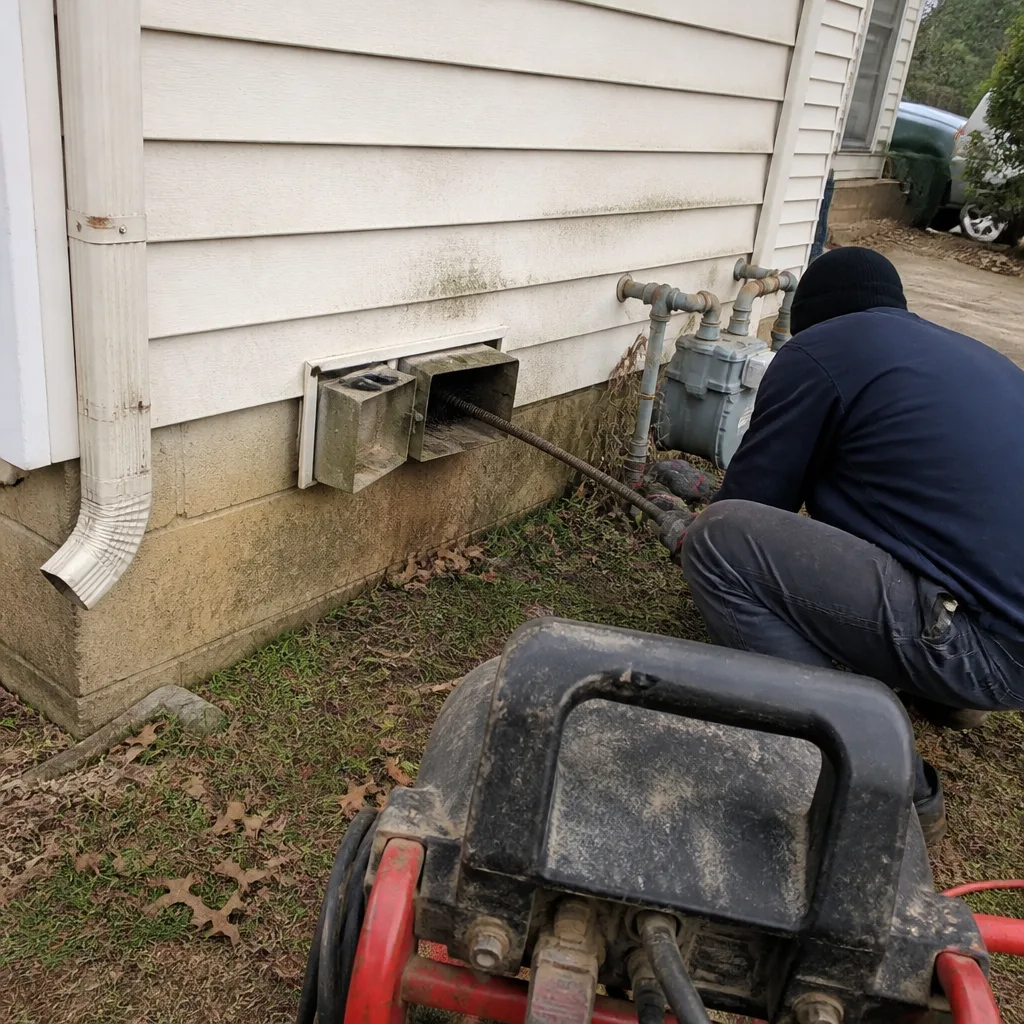 Before
 After
After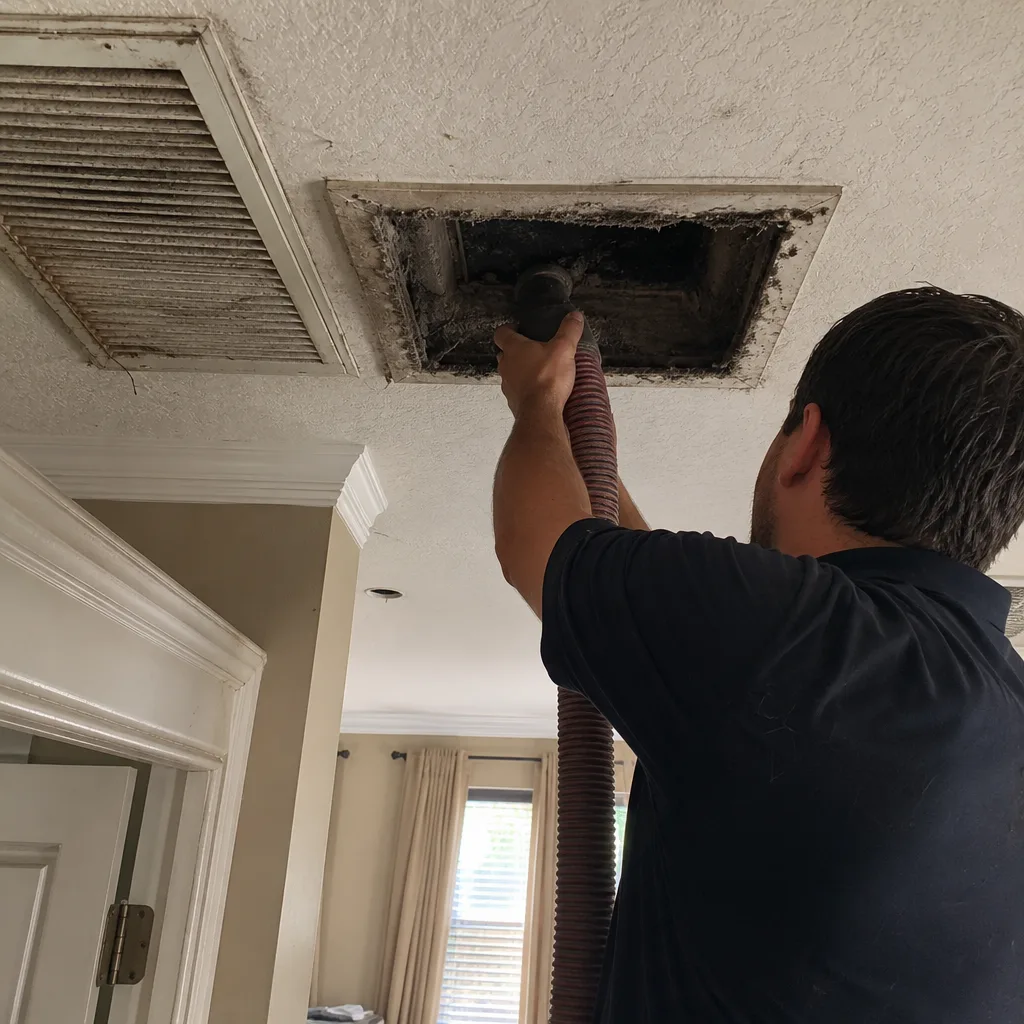 Before
 After
After